Asia · Trade
Japan's Trade Gap Expands on Weak Yen and Iran Conflict
Import costs surged 25.4% in June as currency depreciation and Middle East war compound energy supply pressures
KEY TAKEAWAYS
- ·Japan's import costs rose 25.4% in June year-on-year, driven by a weak yen and energy supply disruptions from the Iran war.
- ·The widening trade deficit complicates Bank of Japan policy decisions as officials balance currency support against domestic growth concerns.
- ·Energy remains the dominant factor, with Japan importing 90% of its needs and facing elevated prices due to Middle East geopolitical tensions.
Import Costs Jump on Dual Pressures
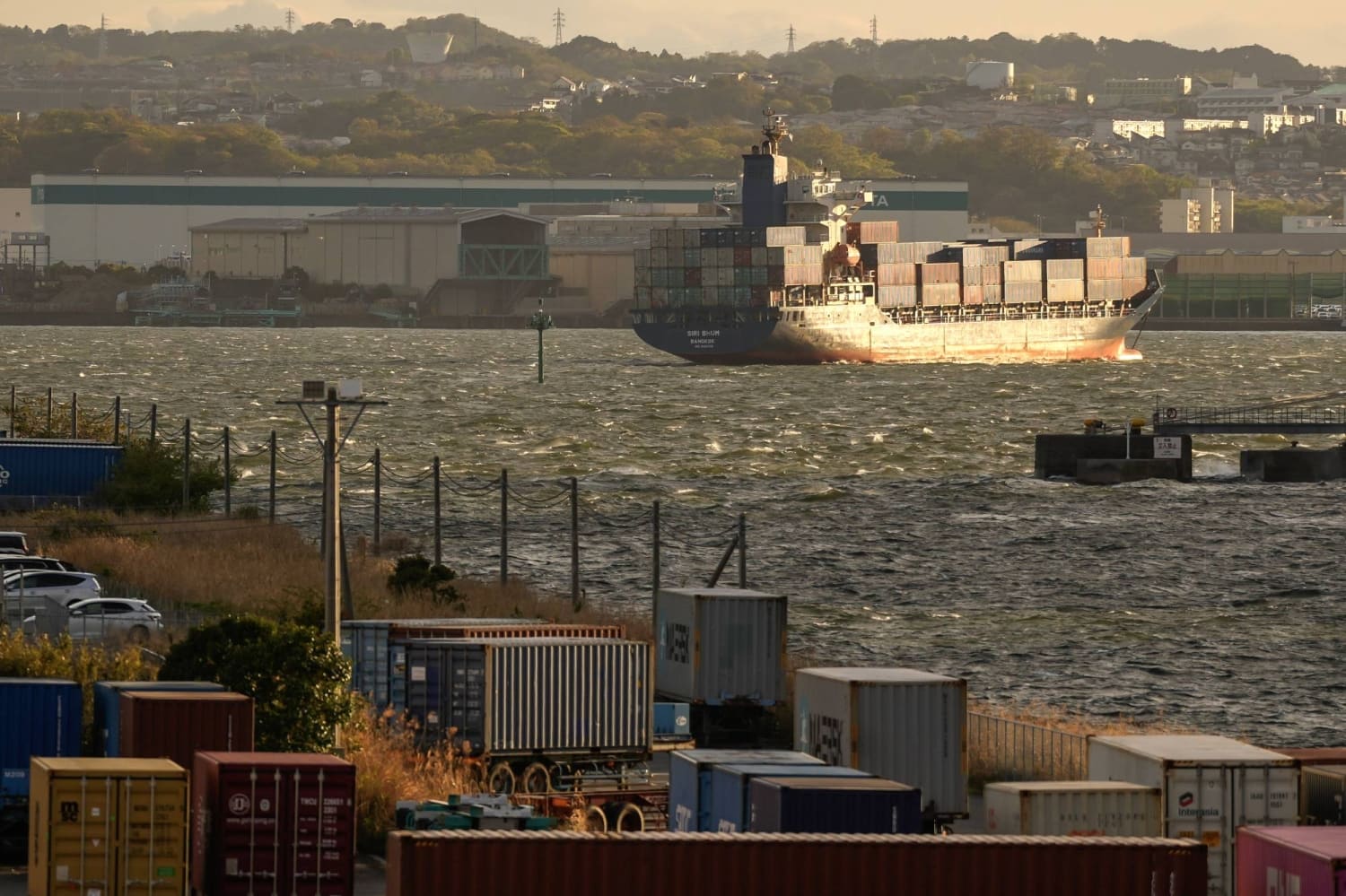
Japan recorded a sharp rise in import costs during June, with the value of goods entering the country climbing 25.4% compared to the same month last year. The increase reflects two converging forces: a weakened yen that makes foreign purchases more expensive, and disrupted energy flows stemming from military conflict in Iran.
The combination has widened Japan's trade deficit at a time when the world's third-largest economy is already navigating inflation pressures and sluggish domestic demand. Energy remains the dominant driver of the import bill, with Japan heavily reliant on overseas supplies of crude oil, liquefied natural gas, and coal to power its industries and households.
Energy Security Under Strain
The war in Iran has created significant uncertainty in global energy markets. As a major oil and gas producer in the Middle East, Iran's supply disruptions have rippled through international commodity exchanges, pushing up prices and tightening availability for importers across Asia.
Japan sources roughly 90% of its energy from abroad, making it particularly vulnerable to geopolitical shocks in key production regions. While the country has diversified suppliers over the past decade, the Iran conflict has limited options and forced Japanese utilities and refiners to pay premium rates for spot cargoes.
The Ministry of Finance data underscores how external volatility translates directly into Japan's trade ledger. Even as export volumes hold steady, the cost side of the equation has ballooned, eroding the nation's trade balance and complicating monetary policy decisions at the Bank of Japan.
Currency Weakness Amplifies Impact
The yen's decline against the dollar has magnified the cost of every barrel of oil and cubic meter of gas Japan imports. Over the past year, the currency has lost ground as interest rate differentials between Japan and the United States widened, with the Federal Reserve maintaining higher rates while the Bank of Japan kept policy accommodative.
For importers, a weaker yen means paying more in local currency terms for commodities priced in dollars. This dynamic has been especially pronounced in the energy sector, where contracts are typically settled in the U.S. currency. The result is a double hit: rising global prices combined with unfavorable exchange rates.
Japanese manufacturers, particularly in sectors like chemicals, steel, and transportation equipment, have felt the squeeze. Higher input costs eat into margins, and not all of that burden can be passed on to customers in competitive global markets.
Trade Balance and Policy Implications
The widening trade deficit poses challenges for Japan's economic managers. A persistent gap means more yen flowing out of the country to pay for imports, which can pressure the currency further and create a self-reinforcing cycle. It also limits the current account surplus, a traditional strength of the Japanese economy that has helped finance overseas investments and buffer against external shocks.
Policymakers are caught between competing objectives. Raising interest rates could support the yen and reduce import costs, but it risks stalling an already fragile domestic recovery. Keeping rates low supports growth and employment but leaves the currency exposed and import prices elevated.
The trade data will factor into upcoming deliberations at the Bank of Japan, where officials are weighing whether recent inflation trends justify a shift in the ultra-loose stance that has defined policy for more than a decade. June's import surge adds another layer of complexity to that calculus.
Regional Context
Japan is not alone in grappling with energy-driven trade pressures. South Korea, another major energy importer in Northeast Asia, has similarly seen its trade balance deteriorate as global commodity markets tighten. Both countries are exploring long-term strategies to reduce fossil fuel dependence, including investments in renewable energy, nuclear restarts, and hydrogen infrastructure.
In the near term, however, alternatives remain limited. Liquefied natural gas terminals, renewable capacity, and grid infrastructure take years to build, meaning Japan will continue to rely on imported hydrocarbons for the foreseeable future. That leaves the economy exposed to any further escalation in the Middle East or additional currency volatility.
The June figures serve as a reminder of how quickly external shocks can reshape the economic landscape for resource-poor nations. As the Iran conflict drags on and currency markets remain unsettled, Japan's trade outlook will hinge on factors largely beyond its borders.
RELATED STORIES

Berkshire Hathaway Eyes Larger Stakes in Japan's Top Trading Houses
Cheng Wei-Lun · 3 min
Yen Climbs to Eight-Month High as Rate Hike Expectations Shift Sentiment
Jun-ho Seo · 3 min

Honda Demands 30% Price Cuts From Suppliers in $9.4 Billion Cost Plan
Cheng Wei-Lun · 3 min

Malaysia's Rare Earth Deposits Draw Foreign Interest Ahead of China Export Controls
Priyanka V. Rao · 3 min
Spot something wrong? Email editor@briefasia.com. We log every correction publicly.