Finance · Markets
Over 600 Firms Face Exit From Japan's Topix in Historic Rebalance
Tokyo Stock Exchange to remove companies in bottom 3% by free-float market cap over two-year period starting October
KEY TAKEAWAYS
- ·More than 600 companies will be removed from Japan's Topix index over two years, representing nearly 30% of current constituents, as the Tokyo Stock Exchange enforces a new free-float market cap threshold.
- ·Firms ranking in the bottom 3% by free-float market capitalization in August will be phased out in two waves, starting October 2026 and concluding October 2027.
- ·The restructuring aims to improve benchmark quality and liquidity, aligning with Tokyo's broader push to attract foreign capital and compete with Singapore and Hong Kong.
Culling the Weakest Names
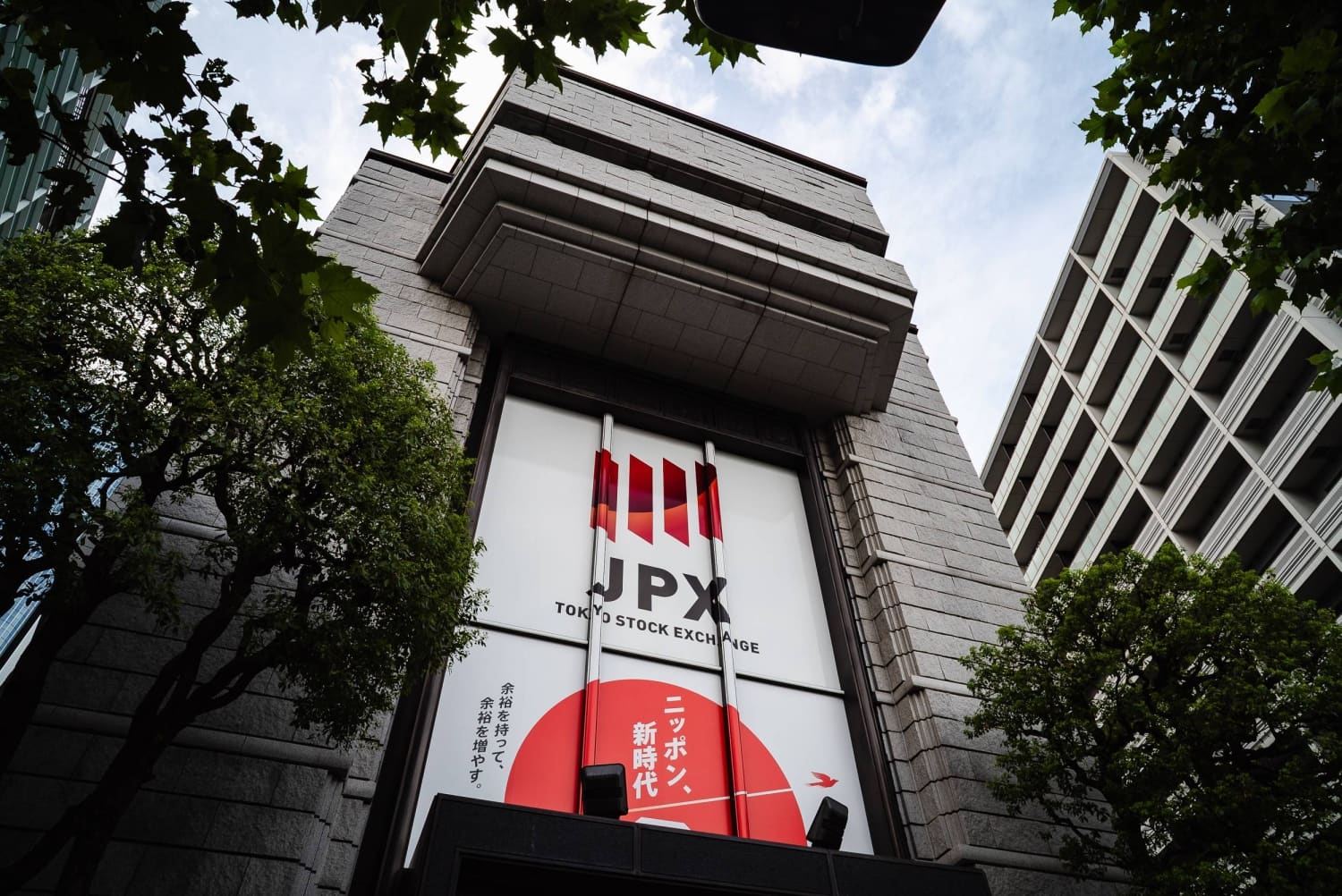
The Tokyo Stock Exchange is preparing to execute the most dramatic reshaping of the Topix index in its history. More than 600 companies are expected to lose their place in the benchmark over the next two years, according to analyst estimates, as new eligibility criteria take effect this October.
The exchange has announced that firms ranking in the bottom 3% by free-float market capitalization will be phased out of the index in a two-stage removal process running through 2028. Free-float market cap measures the value of shares available for public trading, excluding holdings by insiders, governments, and strategic investors. For a market as mature as Japan's, where cross-shareholdings and stable ownership structures remain common, this metric offers a clearer picture of genuine market liquidity than headline valuations.
The threshold puts roughly 600 to 650 companies on the chopping block, depending on market movements between now and the August measurement date. The Topix currently includes more than 2,100 firms listed on the Tokyo Stock Exchange's Prime and Standard markets, making this cull a reduction of nearly 30% of the index's constituents.
Two Years, Two Cuts
The delisting will unfold in two waves. The first batch of companies will exit the index in October 2026, with a second group following in October 2027. This staggered approach is designed to limit market disruption and give passive funds tracking the Topix time to adjust their portfolios without triggering sharp price swings in the affected stocks.
Index rebalancing events of this scale tend to create predictable flows. Stocks removed from major benchmarks often face selling pressure as index-tracking funds are forced to divest, while remaining constituents may see inflows as their weightings rise. For Japan, where passive investment vehicles hold trillions of yen tied to the Topix, the mechanics of this exit will ripple through liquidity and pricing for years.
The Tokyo Stock Exchange has been under mounting pressure to tighten listing standards and improve the overall quality of its benchmarks. Critics have long pointed to the Topix's bloated membership, arguing that it includes too many illiquid, low-growth companies that dilute the index's appeal to international investors. The exchange's broader reform agenda, launched in 2022, has pushed listed firms to improve capital efficiency, boost shareholder returns, and maintain adequate trading volumes.
What Stays, What Goes
The companies most at risk are those with thin public floats, often family-controlled firms or subsidiaries of larger conglomerates where the parent retains majority ownership. Many of these businesses trade infrequently, with wide bid-ask spreads and minimal analyst coverage. Their removal is unlikely to surprise market participants, but the sheer number of exits underscores how far the exchange is willing to go in pursuit of a leaner, more liquid benchmark.
For the firms that remain, the recalibration could bring tangible benefits. With fewer constituents, each company's weight in the index increases marginally, potentially attracting greater attention from portfolio managers and research analysts. The Topix may also become more attractive to foreign institutional investors who have historically favored the narrower Nikkei 225 for its focus on blue-chip names.
Regional Context
Japan's move mirrors efforts elsewhere in Asia to elevate benchmark quality. Singapore's STI and Hong Kong's Hang Seng have both tightened eligibility rules in recent years, prioritizing liquidity and free-float over raw company count. South Korea's Kospi has faced similar calls for reform, though progress has been slower.
The timing is notable. As Tokyo competes with Singapore, Hong Kong, and increasingly Mumbai for foreign capital, the credibility of its equity benchmarks matters. A cleaner, more tradable Topix signals to global asset allocators that Japanese equities are not just a legacy holding but a dynamic, investable market. The reforms also align with the government's push to revitalize corporate Japan, encouraging firms to unlock value and engage more seriously with public shareholders.
The August measurement window will be the final checkpoint. Companies hovering near the 3% cutoff will be watching their float-adjusted valuations closely, and some may take last-minute steps to boost their public shareholding or market cap. For the majority, however, the outcome is already clear. The Topix is shrinking, and the companies left behind will need to find relevance outside the benchmark that once defined them.
RELATED STORIES

Asian Tech Stocks Surge as Weak US Jobs Data Dims Rate Hike Outlook
Cheng Wei-Lun · 4 min
Japan Logs First Current Account Deficit in 17 Months as Dividends Flow Abroad
Aiko Nakamura · 3 min

US and Japan Stage First Joint Yen Intervention in 28 Years
Cheng Wei-Lun · 3 min
Bank of Japan Signals Willingness to Accelerate Rate Hikes Amid Rising Inflation Concerns
Aiko Nakamura · 3 min
Spot something wrong? Email editor@briefasia.com. We log every correction publicly.