Asia · Business
Japan Tightens Export Rules to Protect Premium Grape and Produce Varieties
Revised legislation targets seedling theft as unauthorized Shine Muscat exports cost the country over $100 million annually
KEY TAKEAWAYS
- ·Japan enacted revised legislation Friday to prevent unauthorized exports of seeds and seedlings of premium crop varieties, with Shine Muscat grape theft costing over $100 million annually.
- ·The law expands breeder rights and targets seedling smuggling that has enabled competitors in China and South Korea to cultivate Japanese genetics without compensation.
- ·Effective enforcement will require customs coordination and bilateral agreements, as legal protections depend on foreign governments' willingness to act on Japanese IP claims.
A Legislative Shield for Agricultural IP
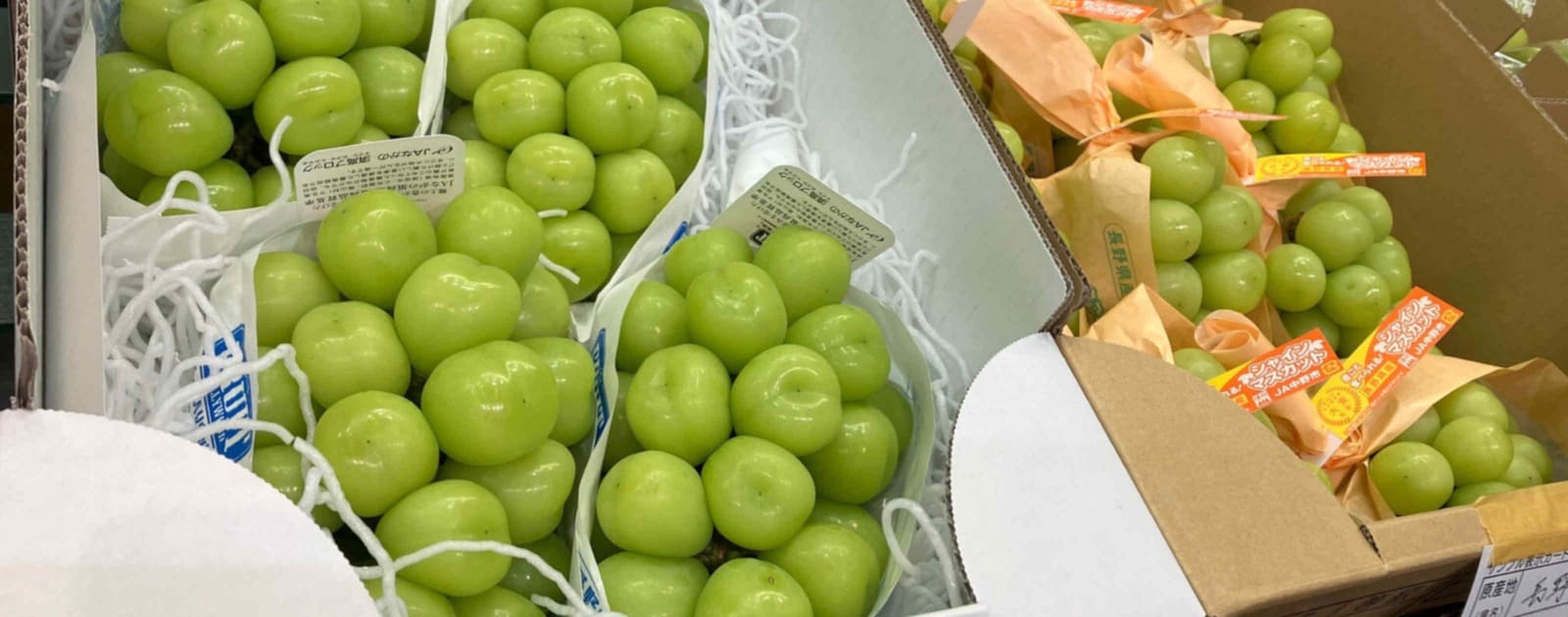
Tokyo moved to close the gates on agricultural intellectual property leakage this week. Revised legislation passed Friday expands legal protections for domestically bred crop varieties, targeting the unauthorized movement of seeds and seedlings beyond Japan's borders. The law arrives as economic losses from such theft mount, with Shine Muscat grape varieties alone estimated to cost the country upward of $100 million each year through illicit overseas cultivation.
The legislation strengthens the position of plant breeders, granting them expanded rights over varieties they develop. It specifically addresses the export of propagation material without permission, a practice that has seen Japanese agricultural innovation replicated across Asia with no compensation flowing back to originators. The Shine Muscat case has become emblematic: developed through decades of crossbreeding work, the seedless green grape now flourishes in Chinese and South Korean orchards planted with smuggled stock.
The Economics of Seedling Smuggling
Japan's premium produce commands significant price premiums in regional markets. A single bunch of authentic Shine Muscat grapes can retail for $50 or more in Hong Kong or Singapore, reflecting both scarcity and brand cachet. When unauthorized growers cultivate the same genetics abroad and undercut prices, the damage extends beyond immediate revenue loss. It erodes the exclusivity that underpins Japan's agricultural export strategy, a pillar of the government's plan to triple farm product exports by 2030.
The theft mechanism is straightforward: a few plant cuttings or seeds leave the country through informal channels, often in traveler luggage or small parcel shipments. Once established abroad, a single vine or tree can propagate into commercial-scale production within several growing seasons. Enforcement has historically been weak because Japanese plant variety protection laws carried limited extraterritorial reach and offered breeders few tools to pursue overseas violators.
Broader Implications for Asian Agriculture
The revised law positions Japan within a broader Asian conversation about agricultural intellectual property. As regional countries invest in crop science, the question of how to protect and monetize breeding work becomes more acute. South Korea enacted similar legislation in 2024 after losing proprietary strawberry varieties to unauthorized Chinese cultivation. India has debated tighter controls on basmati rice genetics amid concerns about Pakistani and Bangladeshi seed flows.
For Japan, the stakes involve more than grapes. The country has developed premium varieties of strawberries, melons, citrus, and rice through public and private breeding programs. Each represents years of research investment and careful brand cultivation. The legislation aims to ensure that investment pays returns to Japanese entities rather than subsidizing competitors.
The law also signals a shift in how Tokyo approaches food security and agricultural competitiveness. With domestic farmland shrinking and the farming population aging, Japan increasingly relies on high-value niche products rather than volume production. Protecting the intellectual property embedded in those products becomes essential to maintaining export income and justifying continued investment in crop science.
What Enforcement Will Require
Legal protection on paper is one matter; enforcement is another. The revised legislation will require coordination between agricultural authorities, customs agencies, and international partners. Detecting seedling smuggling at borders demands training and resources. Pursuing violators abroad depends on bilateral agreements and the willingness of foreign governments to act on Japanese complaints.
China, where much of the unauthorized Shine Muscat cultivation occurs, has shown mixed commitment to enforcing foreign agricultural IP claims. Diplomatic pressure may yield incremental cooperation, but the economic incentives for Chinese growers remain strong. South Korea has been more responsive, though enforcement gaps persist.
The legislation also empowers Japanese breeders to register their varieties more easily and pursue civil remedies against infringers. Whether this translates into meaningful deterrence will depend on the cost and complexity of litigation, particularly across borders. Small-scale breeders may lack the resources to mount legal challenges even with stronger statutory backing.
Japan's move reflects a recognition that in an era of mobile capital and technology, agricultural innovation requires legal architecture as sophisticated as that protecting pharmaceuticals or semiconductors. The produce may be perishable, but the genetics are assets worth defending.
RELATED STORIES

Berkshire Hathaway Eyes Larger Stakes in Japan's Top Trading Houses
Cheng Wei-Lun · 3 min

Malaysia's Rare Earth Deposits Draw Foreign Interest Ahead of China Export Controls
Priyanka V. Rao · 3 min

Honda Demands 30% Price Cuts From Suppliers in $9.4 Billion Cost Plan
Cheng Wei-Lun · 3 min

Mitsubishi Motors Brings Back Pajero SUV With Thailand Launch
Cheng Wei-Lun · 3 min
Spot something wrong? Email editor@briefasia.com. We log every correction publicly.