Finance · Markets
Japan Steps Into Currency Markets as Yen Hits Four-Decade Low
Tokyo deployed dollar-selling intervention for the first time in three months, hours before the Bank of Japan's July policy decision.
KEY TAKEAWAYS
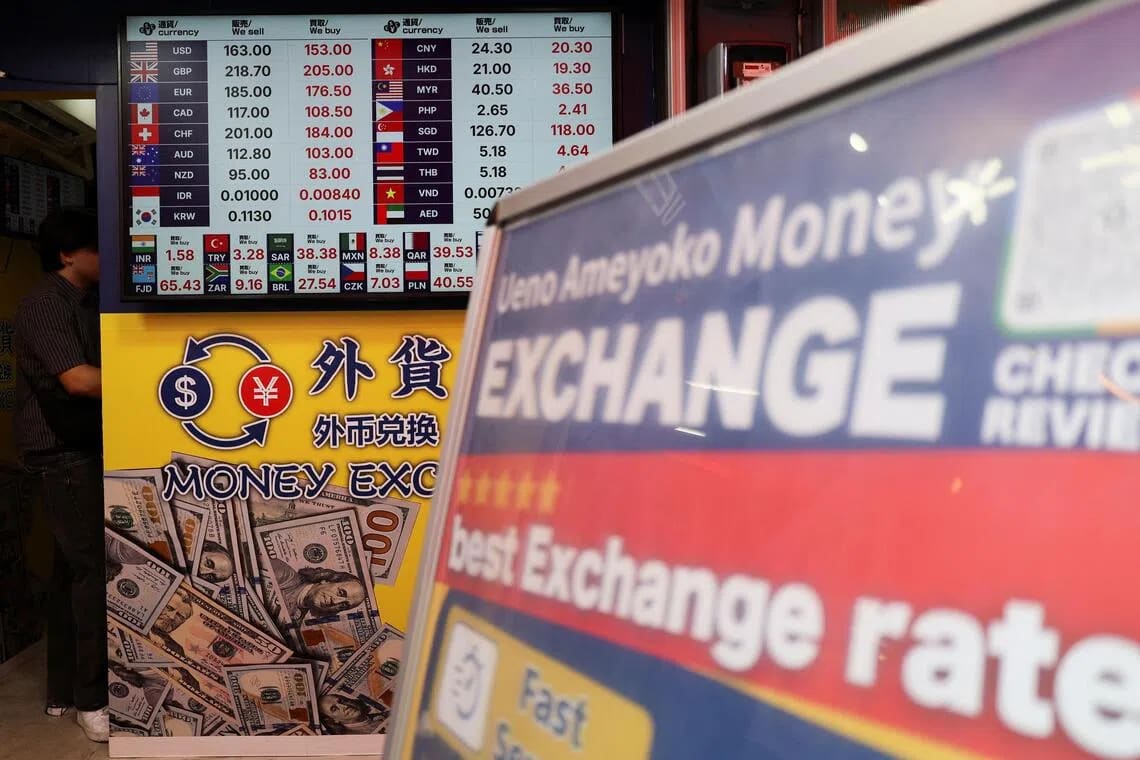
- ·Japan conducted yen-buying intervention in New York markets on July 30, its first such action in three months, after the currency fell to 159.22 per dollar, a four-decade low.
- ·Tokyo previously spent a record 11.7 trillion yen on intervention between April and May, but gains were short-lived as the yen resumed its slide above 163 per dollar in July.
- ·Markets now await signals from Bank of Japan Governor Kazuo Ueda on future rate hikes, with US Treasury endorsing further tightening to combat inflation and currency weakness.
Intervention Returns After Three Months
Japan executed yen-buying, dollar-selling intervention in New York trading on July 30, according to a market source familiar with the operation. The move marks Tokyo's first such action in three months, deployed as the currency threatened to breach levels not seen since the 1980s.
The dollar dropped sharply against the yen during New York hours, with the Japanese currency strengthening to 159.22 per dollar before retreating to around 160.07 in Asian trading the following morning. The intervention came hours before the Bank of Japan was set to announce its policy decision on July 31, with markets anticipating the central bank would hold rates steady at 1 percent while signaling openness to future increases.
US Treasury Secretary Scott Bessent told Fox Business Network on July 30 that Japan may have intervened, adding that the yen "seems very undervalued to me." The New York Federal Reserve declined to comment on whether US authorities conducted rate checks, which typically precede coordinated currency operations.
Japanese Finance Minister Satsuki Katayama declined to confirm the intervention when pressed by reporters on the morning of July 31, repeating only that authorities remain "always ready to respond with a sense of urgency" on exchange-rate developments.
Energy Shock Amplifies Currency Pain
The yen's slide has compounded cost-of-living pressures for Japanese households already grappling with energy import bills driven higher by conflict in Iran. A weaker currency raises the cost of dollar-denominated commodities, from crude oil to natural gas, feeding into broader consumer inflation.
Tokyo previously spent 11.7 trillion yen - roughly S$93 billion - on intervention between late April and early May, a record outlay that temporarily lifted the currency before it resumed its decline. The yen hit a 40-year low above 163 per dollar earlier in July, erasing gains from the spring operations.
Atsushi Mimura, Japan's top currency diplomat who decides the timing and scale of intervention, has remained silent since May, keeping markets uncertain about Tokyo's trigger points. Katayama has issued repeated warnings of "decisive" action, but the verbal pressure has failed to durably support the yen.
In a coordinated move, South Korea also conducted dollar-selling intervention on July 30, pushing the won to a nine-month high, according to a source familiar with the operation.
Focus Turns to Bank of Japan
Attention now shifts to Bank of Japan Governor Kazuo Ueda, who is expected to face questions on the central bank's rate-hike trajectory during a press briefing scheduled for 3:30 p.m. Tokyo time on July 31. Ueda faces competing pressures: Prime Minister Sanae Takaichi's administration has signaled caution on further tightening, while currency weakness and rising import costs argue for higher borrowing rates to stabilize inflation expectations.
Toru Suehiro, chief economist at Daiwa Securities, noted the intervention timing came earlier than expected. "I saw a good chance of intervention after the BOJ's policy meeting," he said. "If the US, as reported, has conducted rate checks and may be endorsing a weak dollar, that's positive for the Takaichi administration."
Washington has sent mixed signals. In its semi-annual currency report released earlier in July, the US Treasury Department flagged that yen weakness has persisted despite narrowing US-Japan interest rate differentials, warning that excess volatility is undesirable. The report also called for further BOJ rate hikes, noting that inflation has strained household purchasing power even as nominal wages have risen.
What Comes Next
Markets remain on alert for additional intervention. Tokyo's previous operations in the spring demonstrated that even large-scale dollar sales can provide only temporary relief without accompanying shifts in underlying interest rate differentials. The yen's trajectory will hinge on the Bank of Japan's willingness to continue raising rates, balanced against domestic political pressure to avoid choking off economic growth.
For now, Japanese authorities have signaled they retain the capacity and intent to act. Whether that proves sufficient to stabilize the currency will depend on how aggressively Ueda moves in the months ahead - and whether Washington's apparent endorsement of a weaker dollar translates into tangible support for Tokyo's currency strategy.
RELATED STORIES
Yen Climbs to Eight-Month High as Rate Hike Expectations Shift Sentiment
Jun-ho Seo · 3 min

Japan Wage Growth Hits 29-Year High, Reinforcing Central Bank Rate Path
Aiko Nakamura · 3 min

Japan's Central Bank and Markets Diverge on Rate Hike Trajectory
Aiko Nakamura · 3 min

Bank of Japan Prepares Third Rate Increase in Ten Months
Aiko Nakamura · 3 min
Spot something wrong? Email editor@briefasia.com. We log every correction publicly.