Asia · Trade
Japan Pushes Back as Washington Imposes 12.5 Percent Tariff
Tokyo cites last year's investment agreement as it faces higher levy tier alongside China and South Korea over forced labour policy gaps
KEY TAKEAWAYS
- ·The United States imposed a 12.5 percent tariff on Japan, placing it in a higher bracket than Canada, the EU, and India due to the absence of forced labour import bans.
- ·Japan invoked a 2025 agreement under which it pledged 550 billion dollars in US investment by 2029 in exchange for reduced tariffs, and says Washington confirmed no additional levies beyond that pact.
- ·The tariff structure splits 60 trading partners into two tiers based on forced labour policy, with China, Japan, and South Korea facing the higher rate.
Tokyo Caught in Higher Tariff Bracket
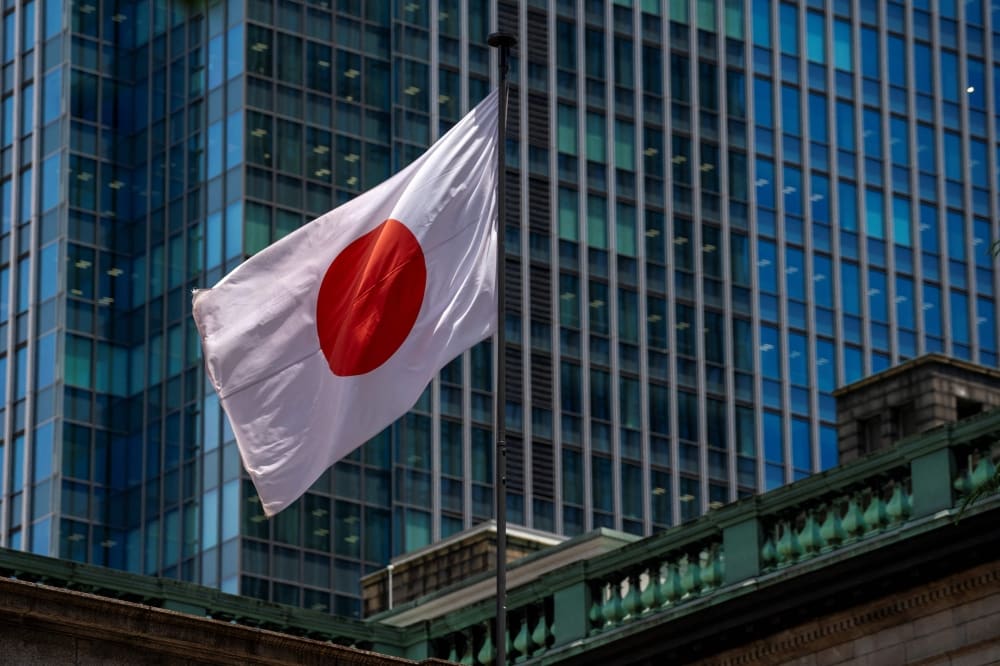
Japan formally objected to new US tariffs announced this week, after Washington placed Tokyo in a higher levy bracket alongside China and South Korea. Chief Cabinet Secretary Minoru Kihara said the government "regrets" the 12.5 percent rate imposed on Japanese goods, arguing that Japan's trade practices comply with international rules.
The tariff structure splits trading partners into two tiers. Economies with forced labour import bans or formal commitments to adopt them face a 10 percent duty. That group includes Canada, the European Union, India, and the United Kingdom. Japan, China, South Korea, and dozens of others were assigned the 12.5 percent rate because they lack such prohibitions.
Kihara told reporters the tariff decision rests "solely on the grounds that there is no ban on the import of products produced through forced labour," a criterion he described as insufficient justification for the penalty.
The 2025 Agreement and Its Boundaries
Tokyo invoked a 2025 pact under which Japan committed to invest $550 billion in the United States by 2029. In return, Washington reduced threatened tariffs of 25 percent down to 15 percent. That agreement remained in force even after the US Supreme Court struck down a separate set of duties in February.
Kihara emphasised that both governments "share the understanding that last year's agreement is universal and that both sides remain committed to its implementation." He added that Tokyo has received assurances from Washington that no additional tariffs exceeding the terms of the 2025 deal will be imposed on Japan.
The new tariff announcement replaces an expiring global 10 percent duty that President Donald Trump had reimposed earlier this year using emergency authorities. That measure, which followed the Supreme Court's February decision to invalidate an earlier tariff regime, was set to lapse after 150 days.
Forced Labour as the New Dividing Line
The White House rolled out the revised tariff framework to 60 trading partners, framing the policy around forced labour concerns. Economies that have enacted import bans on goods produced through forced labour qualified for the lower rate. Those without such legislation were placed in the higher bracket.
The distinction puts Japan in the same category as China, despite Tokyo's closer security and economic alignment with Washington. South Korea, another US treaty ally, also faces the 12.5 percent rate.
Japan's Ministry of Economy, Trade and Industry has not announced whether it will introduce forced labour import restrictions to qualify for the lower tier. Kihara said only that Tokyo "will continue to work closely with the US side," leaving open the question of legislative response.
Regional Implications
The tariff split creates a new fault line across Asia. India, which has committed to forced labour import controls, lands in the lower bracket alongside the EU and Canada. Japan and South Korea, both members of US-led trade and security frameworks, face higher levies than India or the United Kingdom.
For Japanese exporters, the 12.5 percent rate applies across a range of sectors, from automotive components to electronics and machinery. The tariff adds to cost pressures at a time when the yen has weakened and input prices remain elevated.
Tokyo's public response has been measured. Kihara reiterated Japan's commitment to the 2025 investment pledge and stressed that the government expects Washington to honour the agreed tariff ceiling. Whether that ceiling applies to the new forced labour-linked duties, or only to the earlier 15 percent rate, remains a point of interpretation.
The distinction matters. If the 12.5 percent rate is viewed as a separate measure tied to forced labour policy rather than an escalation of the 2025 framework, Tokyo may have limited recourse under the existing agreement. Japanese officials are expected to seek clarification in bilateral trade talks scheduled for next month.
What Comes Next
Japan's response will likely unfold on two tracks. Diplomatically, Tokyo will press Washington to recognise the 2025 agreement as a cap on all tariff measures. Domestically, policymakers face pressure to consider forced labour import legislation, though such a move would require coordination across multiple ministries and could complicate supply chains that run through China and Southeast Asia.
The tariff structure also signals a shift in US trade enforcement. Rather than using broad national security or reciprocal trade authorities, the White House is tying tariff levels to specific policy benchmarks. That approach gives Washington leverage to shape partner-country legislation, but it also introduces complexity and potential friction with allies.
For now, Japan remains in the higher tier. Whether Tokyo can negotiate its way down, or must legislate its way there, will shape the contours of US-Japan trade for the rest of the decade.
RELATED STORIES
Berkshire Hathaway Eyes Larger Stakes in Japan's Top Trading Houses
Cheng Wei-Lun · 3 min
Honda Demands 30% Price Cuts From Suppliers in $9.4 Billion Cost Plan
Cheng Wei-Lun · 3 min
Malaysia's Rare Earth Deposits Draw Foreign Interest Ahead of China Export Controls
Priyanka V. Rao · 3 min

Mitsubishi Motors Brings Back Pajero SUV With Thailand Launch
Cheng Wei-Lun · 3 min
Spot something wrong? Email editor@briefasia.com. We log every correction publicly.