Sustainability · Energy
Japan's Power Giants Test First Cross-Site Carbon Capture Transport
Kansai Electric and Kawasaki Heavy Industries aim to move liquefied CO2 from coal plants to distant storage sites within months
KEY TAKEAWAYS
- ·Kansai Electric Power and Kawasaki Heavy Industries will transport liquefied CO2 from the Maizuru coal plant to off-site storage before March 2027, aiming for 90 percent emission reduction.
- ·The project tests whether post-combustion capture can extend coal plant life in Japan while meeting 2050 carbon neutrality goals, with costs and energy penalties still unresolved.
- ·Success could position Japan as a regional carbon logistics hub, as Malaysia, South Korea, and China develop competing storage infrastructure across Asia.
A New Chapter in Industrial Decarbonization
Kansai Electric Power and Kawasaki Heavy Industries are preparing to transport liquefied carbon dioxide captured at a coal-fired power station to a remote storage location before the end of Japan's current fiscal year, according to Kansai Electric. The initiative represents one of Asia's first attempts to demonstrate the commercial viability of moving industrial emissions across distances rather than venting them into the atmosphere.
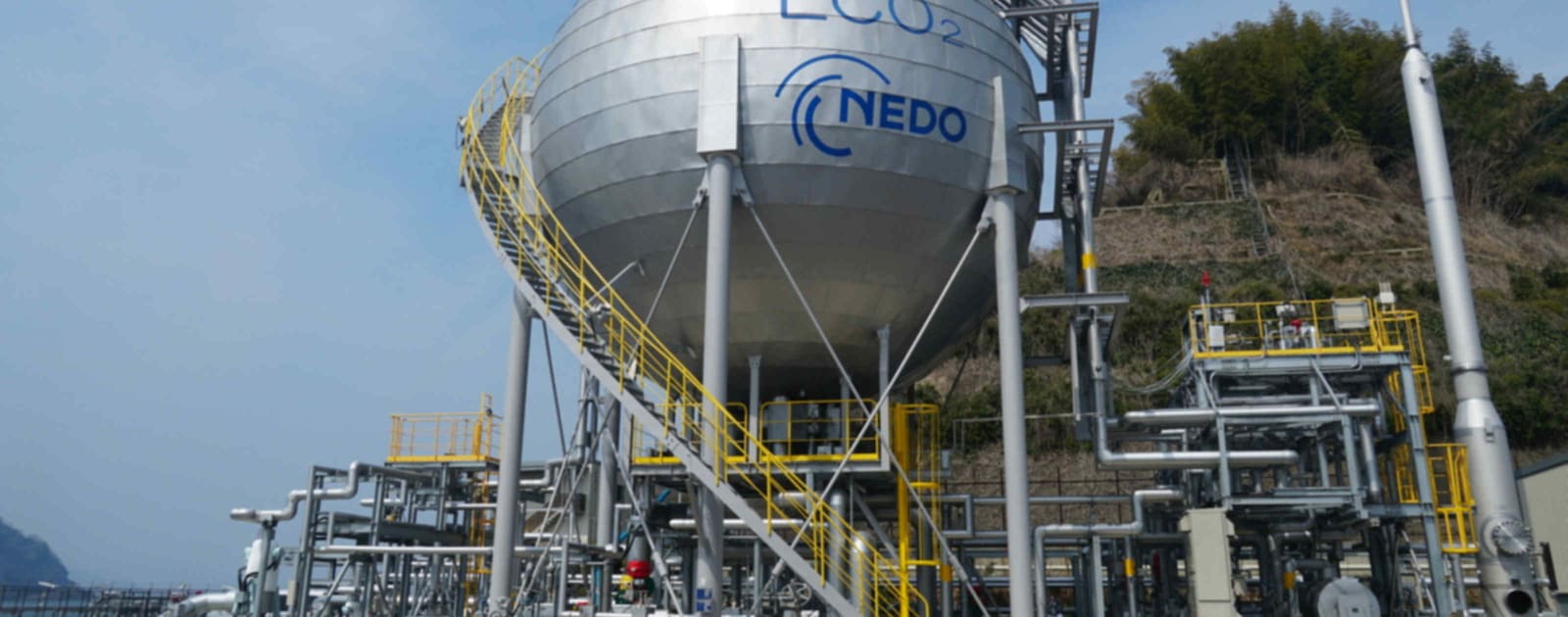
The CO2 will be captured at Kansai Electric's Maizuru thermal power plant, where a liquefaction facility has already been installed. The partnership aims to prove that carbon capture and storage technology can reduce emissions from fossil fuel plants by up to 90 percent, a threshold the Japanese power sector views as essential for maintaining coal generation while meeting national climate commitments.
The Technical Gamble
Japan's power companies face mounting pressure to reconcile their continued reliance on coal with Tokyo's pledge to achieve carbon neutrality by 2050. Unlike utilities in Europe and North America that are rapidly retiring coal capacity, Japanese generators are betting on post-combustion technology to extend the operational life of existing assets.
The Maizuru project captures exhaust gases, separates the CO2, and chills it into liquid form for transport. Kawasaki Heavy, which has decades of experience moving liquefied natural gas and hydrogen, will handle the logistics and storage engineering. The two companies have not disclosed the transport method or final storage site, though industry observers expect either ship-based delivery to offshore reservoirs or pipeline transfer to geological formations.
Cost remains the central question. Carbon capture equipment can add 30 to 50 percent to a plant's capital expenditure, and the energy penalty from running separation units cuts net output. For the technology to scale beyond demonstration projects, captured CO2 must either command a price in compliance markets or attract subsidies that close the gap with unabated generation.
Regional Context and Competition
The collaboration arrives as neighbors accelerate their own carbon management efforts. Malaysia's state oil company is developing undersea storage capacity in depleted gas fields, targeting industrial emitters across Southeast Asia. South Korea has earmarked $7 billion for carbon capture infrastructure through 2030, with steel mills and refineries as anchor customers. China is piloting capture systems at coal plants in Inner Mongolia and Shaanxi, though most projects remain at the pilot stage.
Japan's advantage lies in its engineering base and existing LNG supply chains, which can be repurposed for CO2 logistics. Kawasaki Heavy has already built a prototype hydrogen carrier and operates cryogenic terminals; adapting those assets for carbon dioxide is a shorter leap than building infrastructure from scratch. Kansai Electric, for its part, operates 3.6 gigawatts of coal capacity and needs a decarbonization pathway that does not require plant closures or workforce reductions.
The Ministry of Economy, Trade and Industry has set a target of capturing 120 to 240 million metric tons of CO2 annually by 2050, much of it for permanent storage. Meeting that goal will require a dense network of capture sites, transport corridors, and injection wells, none of which exist at scale today. The Maizuru trial is a early test of whether the economics and logistics can work outside the laboratory.
What Comes Next
If the initial transport succeeds, Kansai Electric plans to expand capture capacity at Maizuru and explore similar retrofits at other coal units. Kawasaki Heavy is eyeing a broader role as a carbon logistics provider, offering transport and storage services to third-party emitters. Both companies are also watching regulatory developments: Japan is drafting a carbon credit framework that would allow generators to offset emissions with verified storage, a mechanism that could make capture financially viable.
The trial will not resolve the broader debate over coal's future in Asia's energy mix. Environmental advocates argue that capture technology extends the life of polluting assets and diverts capital from renewables. Utilities counter that baseload coal capacity is necessary for grid stability while battery storage and transmission infrastructure catch up. The Maizuru project offers a data point, not a verdict, but its results will shape investment decisions across the region's power sector for years to come.
RELATED STORIES
Samsung and Erex Target Japan's AI Power Crunch With Biomass Plant
Aiko Nakamura · 3 min
Japanese Designer Powers Hillside Lab With Electricity From Soil
Aiko Nakamura · 4 min
Asian Tech Stocks Surge as Weak US Jobs Data Dims Rate Hike Outlook
Cheng Wei-Lun · 4 min
Apartment Hotels Draw Capital as Investors Bet on Japan Tourism Growth
Aiko Nakamura · 4 min
Spot something wrong? Email editor@briefasia.com. We log every correction publicly.