Finance · Markets
Japan's Pension Funds Pivot to Domestic Assets
Finance minister signals major allocation shift that could redirect billions away from international managers
KEY TAKEAWAYS
- ·Japan's Finance Minister Satsuki Katayama announced plans for state pension funds to substantially increase domestic asset investments, redirecting capital from international allocations.
- ·The policy shift threatens to shrink the pool of assets available to foreign money managers who have built businesses around Japanese institutional mandates.
- ·The move aligns with regional trends as Asian governments increasingly use pension funds as economic policy tools to support domestic markets and reduce external dependence.
A Strategic Realignment
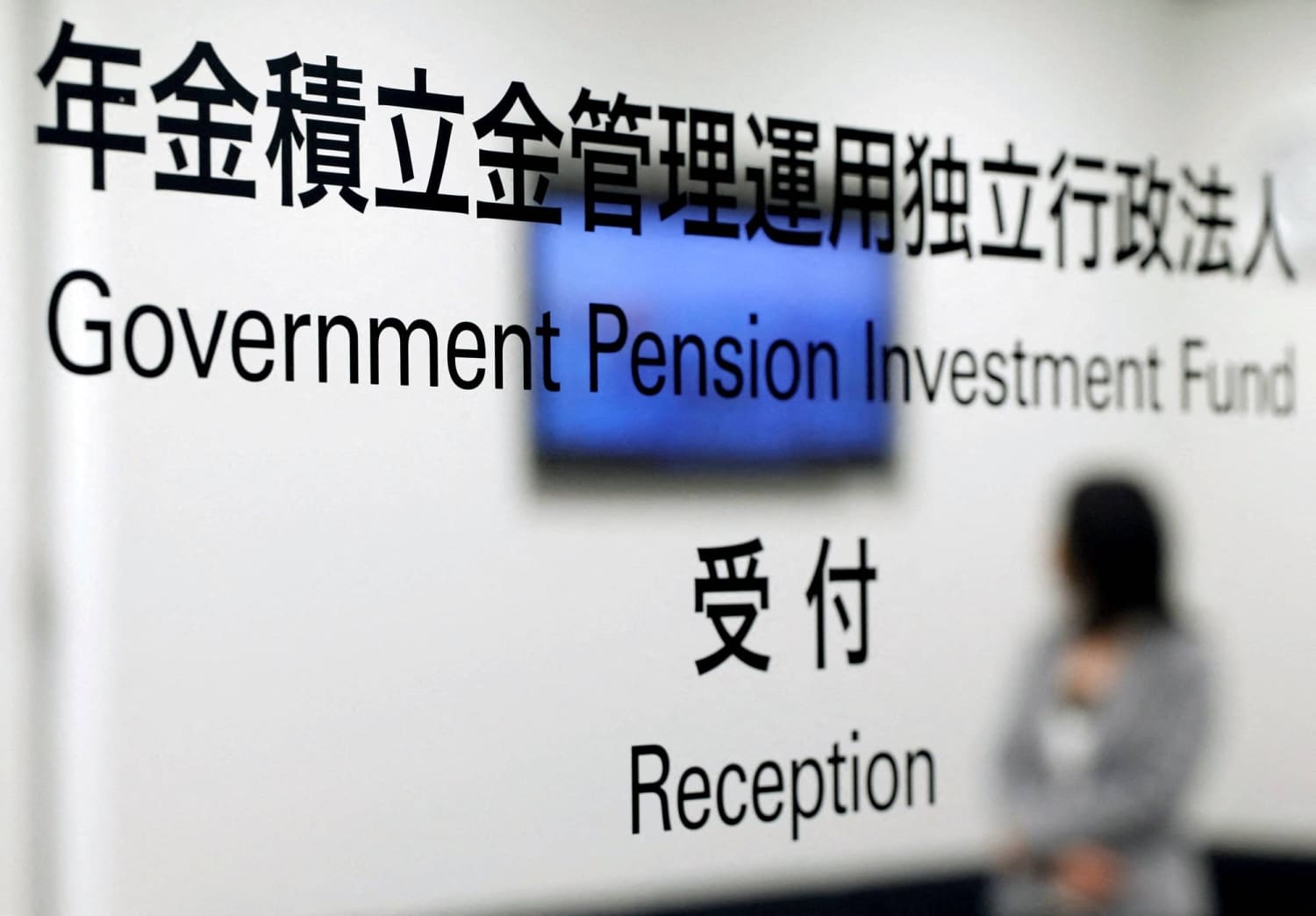
Japan's Finance Minister Satsuki Katayama announced plans to substantially increase domestic asset investments across the country's state pension funds, signaling a policy shift that could reshape capital flows in the world's third-largest economy. The move positions Japan's enormous pension apparatus, which manages trillions of yen in retirement savings, toward greater home-market exposure.
The statement marks a departure from the gradual internationalization that has characterized Japanese pension strategy over the past decade. State pension funds have steadily expanded foreign equity and bond holdings to diversify risk and chase higher returns abroad, a trend that opened lucrative mandates for international asset managers.
Stakes for International Managers
Foreign money managers have built significant businesses around Japanese institutional capital. The proposed reallocation threatens to shrink the addressable pool of assets available to firms based in New York, London, Singapore, and Hong Kong that have competed for Japanese pension mandates.
Japan's Government Pension Investment Fund, the largest pool of retirement savings globally, has been a bellwether for allocation trends. Any directional shift in its strategy tends to influence smaller prefectural and corporate pension funds, creating ripple effects across the asset management industry.
The policy direction comes as Japanese equities have experienced renewed interest from domestic policymakers seeking to channel household savings into growth-oriented investments. Regulatory changes in recent years have nudged individual investors toward stocks and investment trusts, part of a broader effort to animate capital markets and support corporate valuations.
Domestic Investment Push
Increasing domestic asset exposure aligns with government priorities to strengthen Japan's capital markets and support local companies. Policymakers have long expressed concern that Japanese savers hold disproportionate cash and low-yielding deposits, leaving productive capital on the sidelines.
Redirecting pension allocations toward domestic equities and bonds could provide a sustained bid for Japanese stocks, particularly in sectors favored by long-term institutional investors such as infrastructure, technology, and export-oriented manufacturers. It may also boost liquidity in corporate bond markets, which remain underdeveloped compared to peers in the United States and Europe.
For foreign managers, the calculus grows more challenging. Mandates to manage Japanese equity portfolios may shift to domestic firms with deeper local research capabilities and established relationships with pension trustees. Fixed-income allocations could similarly tilt toward Japanese institutions better positioned to navigate domestic credit and sovereign debt markets.
Regional Context
The announcement reflects broader trends across Asia, where governments increasingly view pension and sovereign wealth funds as tools of economic policy rather than purely return-maximizing vehicles. China has directed its social security funds toward strategic sectors, while South Korea and Taiwan have encouraged domestic investment to support industrial champions.
Japan's move also arrives amid heightened geopolitical uncertainty. Trade tensions, export controls on semiconductors and critical technologies, and shifting supply chains have prompted Asian governments to reconsider financial interdependence. Pension reallocation offers a lever to insulate domestic markets from external shocks and retain capital within national borders.
The policy direction may accelerate consolidation among foreign asset managers competing for a shrinking share of Japanese institutional assets. Firms without scale or differentiated strategies could find it harder to justify the cost of maintaining Tokyo offices and dedicated Japan teams.
Market Implications
How aggressively pension funds execute the shift will determine the magnitude of impact. A gradual reallocation over several years would allow international managers to adjust, while a rapid pivot could trigger abrupt redemptions and force portfolio restructuring.
Japanese pension funds have historically moved cautiously, prioritizing stability and avoiding market disruption. Trustees will need to balance policy directives with fiduciary duties to maximize risk-adjusted returns for beneficiaries, a tension that may moderate the pace of change.
Foreign managers with strong track records in Japanese equities or specialized capabilities in areas like private credit, real estate, and alternative assets may retain their foothold. The shift in allocation does not necessarily eliminate demand for international expertise, but it raises the bar for firms seeking to win or retain mandates.
The broader question is whether Japan's pension reallocation will inspire similar moves elsewhere in Asia, creating a regional pattern of capital repatriation that reshapes the competitive dynamics for global asset managers across the world's fastest-growing economies.
RELATED STORIES

SoftBank Prices ¥1 Trillion Retail Bond in Largest Offering Since 2020
Aiko Nakamura · 3 min

Japan Tightens Oversight of Cross-Border Lending to Shadow Banks
Aiko Nakamura · 2 min

Bank of Japan Eyes Rate Increase as Inflation Risks Mount
Cheng Wei-Lun · 4 min

Tokyo Startup IPOs Reach Record Market Cap in 2026
Cheng Wei-Lun · 3 min
Spot something wrong? Email editor@briefasia.com. We log every correction publicly.