Asia · Business
Japan Targets Osaka and Kobe as New Biotech Investment Corridors
National growth strategy aims to channel capital into western Japan's life sciences sector, leveraging regional research infrastructure and manufacturing capacity
KEY TAKEAWAYS
- ·The Japanese government is directing biotech and advanced medicine investments toward Osaka and Kobe as part of a national growth strategy to decentralize economic activity.
- ·The Kansai region offers existing research infrastructure, medical universities, and manufacturing capacity that can support life sciences development and clinical translation.
- ·Success depends on execution details including capital commitments, regulatory coordination, and Japan's ability to attract international talent amid regional competition from Singapore, South Korea, and Taiwan.
A Regional Bet on Life Sciences
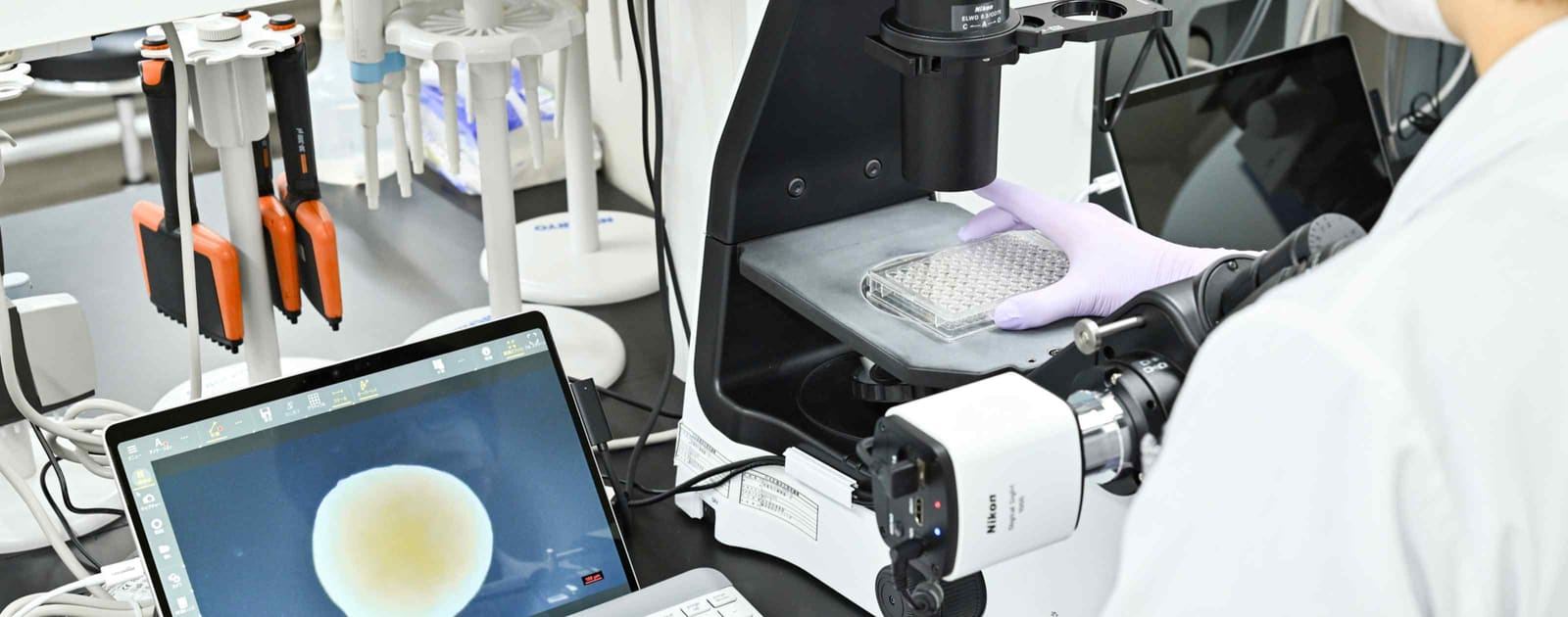
Tokyo plans to funnel biotech and advanced medicine investments into western Japan, with Osaka and Kobe positioned as primary destinations for capital and research activity. The initiative forms part of a broader national growth strategy designed to spread economic revitalization beyond the capital and tap regional strengths in medical research and manufacturing.
The government's approach centers on leveraging existing assets: university hospitals, pharmaceutical companies, and research institutions already clustered in the Kansai region. Osaka University's medical school and research centers, alongside Kobe's concentration of medical device firms and regenerative medicine facilities, provide the foundation. The goal is to attract both domestic and foreign investors looking for exposure to Japan's life sciences sector without anchoring exclusively in Tokyo.
Why Western Japan
Kansai holds specific advantages for biotech development. The region is home to several leading medical universities and teaching hospitals that have historically produced clinical research. Kobe, in particular, has built infrastructure around regenerative medicine and cell therapy, including the RIKEN Center for Developmental Biology and related institutions working on induced pluripotent stem cells.
Manufacturing capacity matters as well. The area hosts pharmaceutical production facilities and contract manufacturing organizations that can scale therapies from lab to clinic. Proximity between research institutions and production plants shortens development timelines, a critical factor in competitive biotech markets.
The strategy also reflects demographic reality. Japan's aging population drives demand for new treatments, particularly in oncology, neurodegenerative disease, and age-related conditions. Concentrating resources in a defined geography may accelerate translation from research to commercially viable therapies.
Capital and Coordination
Attracting investment requires more than research infrastructure. The government is expected to offer incentives for venture capital and corporate investment in the region, though specific tax measures or grant programs have not been detailed. Previous regional development initiatives have included accelerated depreciation for equipment, preferential loan terms through government-backed institutions, and streamlined regulatory pathways for clinical trials.
Coordination between national ministries, prefectural governments, and private sector actors will determine execution. Past efforts to create regional innovation hubs in Japan have struggled with fragmented governance and competing priorities among stakeholders. Success in Osaka and Kobe depends on whether national policy translates into aligned action at the local level.
Asia's Biotech Landscape
Japan's push comes amid broader regional competition for biotech investment. Singapore has established itself as a contract manufacturing hub for biologics, with major multinational firms operating large-scale facilities. South Korea has invested heavily in biosimilars and cell therapy, supported by national health insurance systems that provide clear reimbursement pathways. China's biotech sector has drawn substantial venture funding, though recent regulatory shifts and geopolitical tensions have complicated cross-border capital flows.
Taiwan is also emerging as a player, with a wave of biopharma initial public offerings and government support for drug development. The region's biotech landscape is fragmenting into specialized niches, with each market carving out areas of competitive advantage.
For Japan, the emphasis on regenerative medicine and advanced therapies aligns with existing research strengths, particularly in iPS cell technology pioneered by Kyoto University. Translating that academic leadership into commercial output has been slower than anticipated, a gap this regional strategy aims to close.
What Comes Next
Implementation details will clarify whether the initiative represents a substantive shift or incremental policy adjustment. Key indicators include the scale of committed capital, participation from major pharmaceutical companies, and the establishment of new venture funds focused on the region.
Osaka and Kobe's ability to attract international talent will also matter. Biotech development depends on experienced scientists, clinicians, and executives, many of whom are mobile across borders. Japan's immigration policies and English-language business environment have historically limited its appeal compared to Singapore or Hong Kong. Any serious effort to build a biotech hub must address these structural constraints.
The western Japan biotech initiative is part of a larger economic strategy to distribute growth across multiple regions and sectors. Whether it gains traction will depend on execution, funding commitments, and the ability to coordinate public and private actors around a shared objective. The foundations exist; the question is whether policy can activate them effectively.
RELATED STORIES
China Imposes Anti-Dumping Measures on Japanese Semiconductor Chemical Imports
Jun-ho Seo · 3 min

Berkshire Hathaway Eyes Larger Stakes in Japan's Top Trading Houses
Cheng Wei-Lun · 3 min
Japan's August Exports Rise 19.3% on Semiconductor Demand
Aiko Nakamura · 3 min
Malaysia's Rare Earth Deposits Draw Foreign Interest Ahead of China Export Controls
Priyanka V. Rao · 3 min
Spot something wrong? Email editor@briefasia.com. We log every correction publicly.