Asia · Politics
Japan Reconsiders Aggressive Minimum Wage Push Under Takaichi
Prime Minister signals potential shift from fixed ¥1,500 target as government weighs economic realities against wage growth ambitions
KEY TAKEAWAYS
- ·Prime Minister Sanae Takaichi is adopting a more flexible approach to Japan's ¥1,500 minimum wage target, stepping back from a fixed numerical goal.
- ·Current national average minimum wage stands at approximately ¥1,004 per hour, with significant regional variation between urban and rural prefectures.
- ·Annual wage review cycle enters critical phase in July, with new rates typically taking effect in October following prefectural decisions.
Shifting Wage Strategy
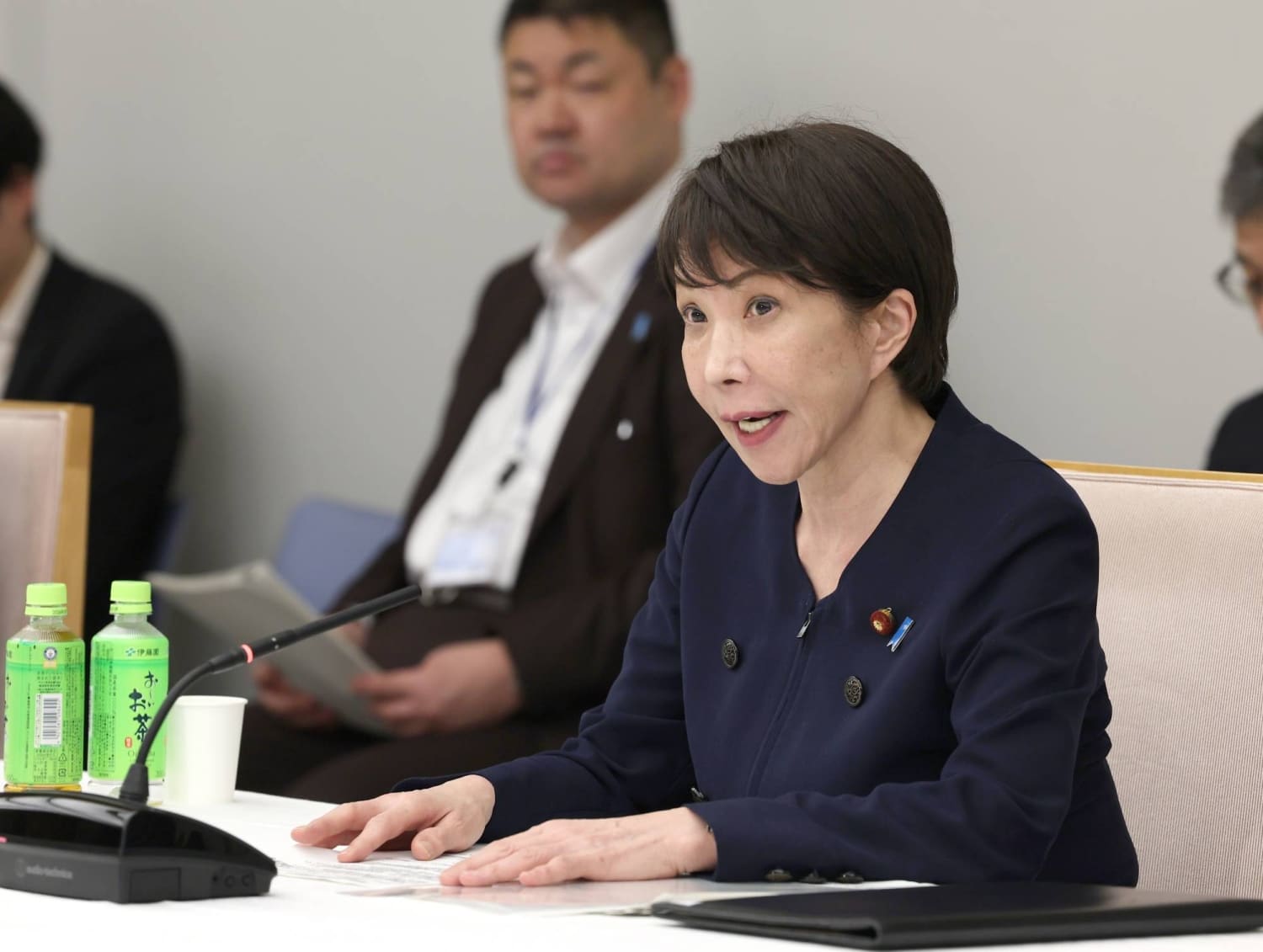
Japan's government is reconsidering the pace and structure of its minimum wage increases, with Prime Minister Sanae Takaichi adopting what officials describe as a more flexible stance toward the previously stated ¥1,500 hourly target. The adjustment comes as policymakers balance pressure to improve living standards against concerns from small businesses and regional employers about absorbing rapid labor cost increases.
The ¥1,500 benchmark had been floated as an aspirational goal to narrow the gap between Japan's minimum wage and those in other advanced economies. Current national weighted average sits at approximately ¥1,004 per hour as of the most recent adjustment cycle, meaning the target would represent nearly a 50 percent increase. Regional variations remain significant, with Tokyo's minimum at ¥1,113 and some prefectures still below ¥900.
Takaichi's pragmatic pivot suggests the administration may prioritize steady, sustainable increases over hitting a specific numerical milestone by a fixed deadline. This approach reflects lessons from other markets where abrupt minimum wage jumps triggered workforce reductions or accelerated automation in labor-intensive sectors.
Economic Headwinds
Japan's wage policy debate unfolds against a backdrop of uneven economic recovery and persistent deflationary psychology. While the Bank of Japan has moved away from negative interest rates and inflation has returned to the economy, real wage growth remains fragile. Many households have yet to see purchasing power gains that outpace rising costs for food, energy, and imported goods.
Small and medium enterprises, which employ roughly 70 percent of Japan's workforce, have voiced concerns about their ability to absorb significant wage hikes without passing costs to consumers or cutting staff. Regional economies, particularly in rural prefectures facing population decline, argue that uniform national targets fail to account for local business conditions and cost-of-living variations.
The government's recalibration also acknowledges political realities. Takaichi's coalition must maintain support from business lobbies while addressing voter expectations for income growth. A more gradual, regionally sensitive approach may offer political cover while still demonstrating commitment to wage improvement.
Regional Variation
Japan's minimum wage system operates through a tripartite council structure involving government, labor, and business representatives at both national and prefectural levels. Each summer, the council recommends an increase range, which prefectures then apply according to local conditions. This decentralized model has produced a widening gap between urban and rural wage floors over the past decade.
Critics of aggressive nationwide targets point to this structural reality. A ¥1,500 minimum might be manageable for Tokyo service sector employers but could prove devastating for manufacturers in Kyushu or hospitality operators in Tohoku. The government's flexibility signals recognition that wage policy must accommodate Japan's economic geography, not just headline political commitments.
Labor unions and progressive economists counter that modest, incremental increases have failed to stimulate domestic demand or reverse decades of wage stagnation. They argue that bolder action is needed to shift corporate behavior away from hoarding cash and toward investing in human capital. The debate over pace and targets essentially reflects deeper disagreements about how to restart Japan's economic engine.
What Comes Next
The annual minimum wage review cycle enters its critical phase this month, with the national council expected to issue guidance by late July. Prefectural decisions typically follow in August, with new rates taking effect in October. Observers will watch whether the government's more flexible rhetoric translates into a smaller recommended increase compared to last year's 4.5 percent bump.
Takaichi's administration faces a delicate balancing act. Too timid an approach risks alienating voters who expected the new government to deliver tangible income gains. Too aggressive a push could trigger business backlash and economic disruption in vulnerable regions. The outcome will shape not only household budgets but also Japan's competitiveness in attracting and retaining workers as demographic pressures intensify.
For Asia's broader wage dynamics, Japan's policy choices carry weight. Other economies watch Tokyo's efforts to engineer wage growth without sparking inflation or unemployment. A successful gradualist model could offer a template; a stalled initiative would reinforce skepticism that advanced economies can legislate their way out of structural income stagnation.
RELATED STORIES

Berkshire Hathaway Eyes Larger Stakes in Japan's Top Trading Houses
Cheng Wei-Lun · 3 min

Honda Demands 30% Price Cuts From Suppliers in $9.4 Billion Cost Plan
Cheng Wei-Lun · 3 min
Malaysia's Rare Earth Deposits Draw Foreign Interest Ahead of China Export Controls
Priyanka V. Rao · 3 min

Mitsubishi Motors Brings Back Pajero SUV With Thailand Launch
Cheng Wei-Lun · 3 min
Spot something wrong? Email editor@briefasia.com. We log every correction publicly.