Asia · Politics
Japan Panel Backs 4.9% Minimum Wage Increase to Support Inflation Push
Labor Ministry advisory body recommends lifting hourly floor to ¥1,176, signaling broader shift in wage dynamics as central bank maintains tightening stance
KEY TAKEAWAYS
- ·Japan's Labor Ministry panel recommends a 4.9% increase in the nationwide average minimum hourly wage to ¥1,176 for the current fiscal year.
- ·The wage hike supports the Bank of Japan's inflation target and rate normalization by boosting household income and consumer spending.
- ·Final minimum wage rates will be set at the prefectural level in coming weeks, with implementation expected in October.
Advisory Body Signals Policy Alignment
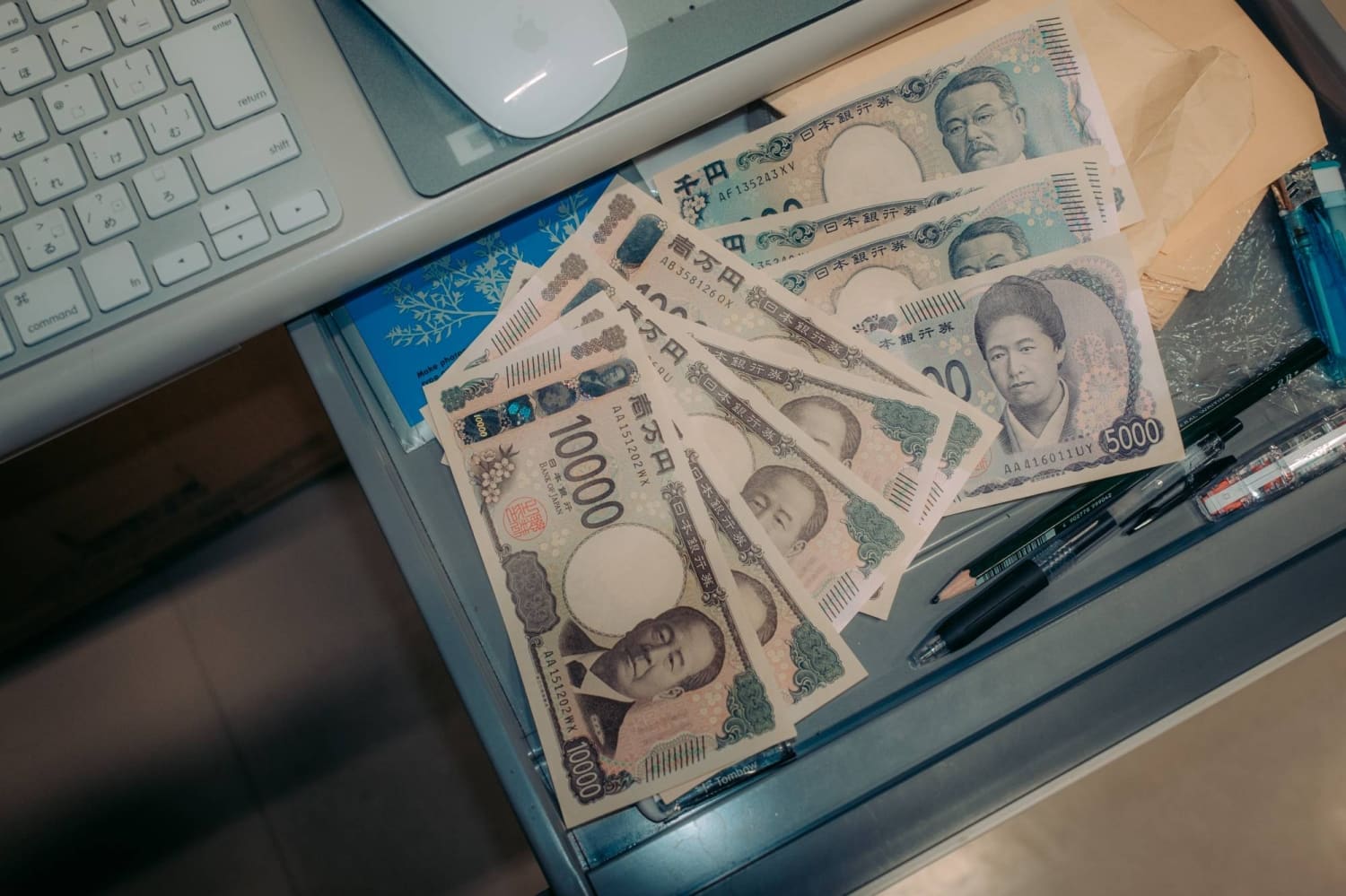
Japan's Labor Ministry advisory panel recommended on Tuesday that the nationwide average minimum hourly wage rise by 4.9% to ¥1,176 for the current fiscal year, a move that aligns with the Bank of Japan's efforts to sustain inflation and normalize interest rates after decades of deflation.
The proposed increase represents one of the more substantial wage floor adjustments in recent years, reflecting a broader recalibration of Japan's labor market. Minimum wage policy has historically moved cautiously, constrained by concerns over small business viability and regional economic disparities. The 4.9% figure suggests policymakers are now prioritizing wage momentum to underpin consumer spending and price stability.
Wage Growth as Monetary Policy Anchor
The timing of the recommendation is significant. The Bank of Japan has gradually pivoted away from ultra-loose monetary policy, raising its policy rate in increments as it seeks to anchor inflation expectations around its 2% target. Sustained wage growth is a critical component of this strategy; without it, higher rates risk stifling demand without achieving durable price stability.
Minimum wage increases feed directly into household income, particularly for part-time and non-regular workers who make up a substantial share of Japan's labor force. These workers have lower savings buffers and higher marginal propensities to consume, meaning wage gains translate more quickly into spending. For the central bank, this dynamic helps validate its shift toward tighter policy.
Regional and Sectoral Implications
Japan's minimum wage system is set at the prefectural level, with the national average serving as a guideline. Tokyo and other urban centers typically command higher floors, while rural prefectures lag. The advisory panel's recommendation will now move to regional deliberations, where local economic conditions and business lobbying will shape final figures.
Small and medium-sized enterprises, which dominate employment in many prefectures, have historically resisted steep wage hikes, citing thin margins and competition pressures. However, labor shortages have tilted bargaining power toward workers. The unemployment rate has held near multi-decade lows, and demographic decline continues to shrink the working-age population. In this environment, wage floors have become less contentious and more necessary to attract staff.
Service sectors, including retail, hospitality, and food service, will feel the impact most acutely. These industries employ large numbers of minimum-wage workers and operate on tight cost structures. Some firms have already begun raising prices to offset wage costs, a shift that was unthinkable during Japan's deflationary decades.
Inflation Dynamics and Consumer Behavior
Japan's inflation rate has remained above the Bank of Japan's 2% target for extended periods, driven initially by energy and food import costs but increasingly supported by domestic demand and wage growth. The central bank has emphasized that sustainable inflation requires a virtuous cycle: rising wages lead to higher spending, which justifies price increases, which in turn support further wage growth.
The minimum wage increase fits squarely into this framework. By lifting the income floor, the policy injects purchasing power into the economy at a time when the central bank is counting on domestic demand to carry inflation forward. Consumer sentiment surveys have shown cautious optimism, with households more willing to accept price increases when wages are also rising.
Political and Policy Context
The wage recommendation also carries political weight. Prime Minister Fumio Kishida has made wage growth a centerpiece of his economic agenda, urging companies to raise pay in line with inflation. Annual spring wage negotiations, known as shunto, have delivered results in recent years, with major corporations agreeing to base pay increases not seen in decades.
Minimum wage policy extends this momentum to the lower end of the income distribution, where the benefits of corporate wage hikes have been less visible. It also addresses income inequality concerns, as the gap between regular and non-regular workers has widened over the past two decades.
The advisory panel's recommendation now moves through formal channels, with final decisions expected in the coming weeks. Prefectural governments will set their own rates based on the national guideline, and implementation typically takes effect in October. Employers will have a narrow window to adjust payrolls and pricing strategies.
Outlook for Monetary Policy
For the Bank of Japan, the wage increase provides additional cover for its gradual tightening path. Governor Kazuo Ueda has repeatedly stated that policy normalization depends on evidence of sustained wage and price growth. The minimum wage recommendation, combined with strong shunto outcomes, strengthens the case that Japan's inflation is becoming embedded rather than transitory.
Markets will watch whether the wage gains translate into sustained consumer spending and whether businesses can absorb higher labor costs without cutting employment. If the cycle holds, the central bank is likely to continue raising rates incrementally. If cracks appear, particularly among smaller firms or in weaker regions, the pace of tightening may slow.
The ¥1,176 figure is more than a wage floor. It is a signal that Japan's labor market has fundamentally shifted, and that policymakers are willing to prioritize income growth even at the risk of squeezing marginal businesses. For a country that spent decades fighting deflation, that represents a meaningful pivot.
RELATED STORIES

Japan Wage Growth Hits 29-Year High, Reinforcing Central Bank Rate Path
Aiko Nakamura · 3 min
Bank of Japan to Continue Rate Increases to Anchor Inflation at 2 Per Cent
Aiko Nakamura · 3 min
Bank of Japan Eyes Rate Increase as Inflation Risks Mount
Cheng Wei-Lun · 4 min

Bank of Japan Prepares Third Rate Increase in Ten Months
Aiko Nakamura · 3 min
Spot something wrong? Email editor@briefasia.com. We log every correction publicly.