Sustainability · Mobility
Japan Records Surge in Lithium Battery Fire Incidents During Fiscal 2025
Mobile power banks emerged as the leading cause of lithium-ion battery fires as safety concerns mount across consumer electronics
KEY TAKEAWAYS
- ·Japan recorded its highest number of lithium-ion battery fire and smoke incidents during fiscal 2025, with mobile power banks responsible for the majority of events.
- ·The surge reflects safety challenges as portable electronics proliferate faster than quality control infrastructure across Asian consumer markets.
- ·Regulators are expected to prioritize import controls and point-of-sale certification requirements to screen substandard battery products in fiscal 2026.
A Growing Safety Challenge
Japan recorded its highest number of fire and smoke incidents linked to lithium-ion batteries during fiscal 2025, marking a troubling escalation in consumer safety risks tied to portable electronics. The surge reflects broader challenges facing Asian electronics markets as device proliferation outpaces safety infrastructure.
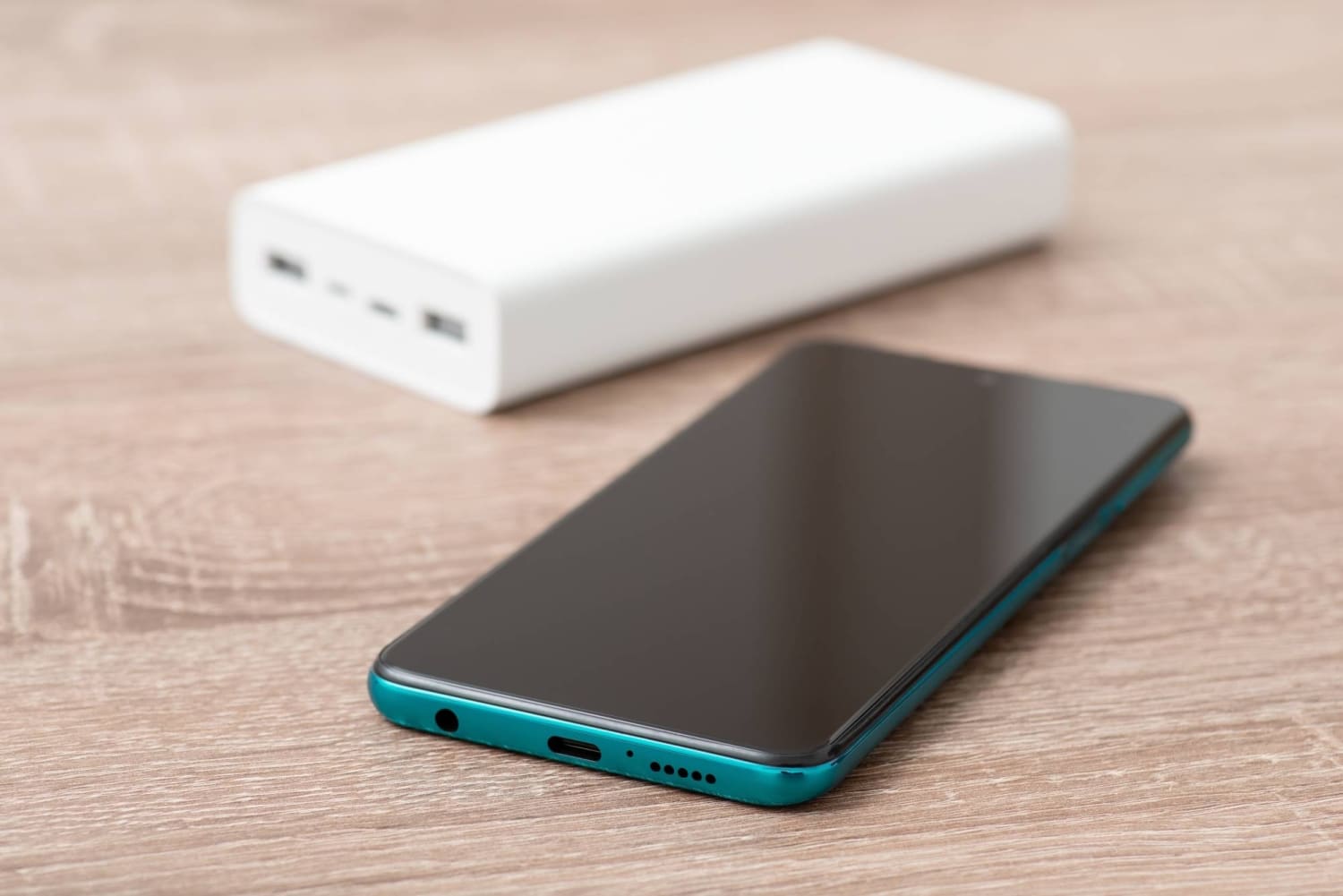
Mobile power banks topped the list of problem products, responsible for more fire and smoke events than any other category of lithium-ion battery device. The concentration of incidents around these ubiquitous accessories underscores vulnerabilities in the portable charging ecosystem that millions of consumers across Japan rely on daily.
The Portable Power Problem
The dominance of power banks in incident statistics points to specific weaknesses in the portable battery supply chain. These devices typically pack high-capacity cells into compact enclosures, creating thermal management challenges that lesser-quality manufacturers struggle to address. Many power banks sold in Asian markets come from third-party producers operating outside major brand quality control systems.
Japan's consumer electronics market has seen explosive growth in portable charging solutions over the past five years, driven by smartphone dependency and remote work patterns. That proliferation has brought safety trade-offs, particularly as price competition pushes some manufacturers toward cheaper cell chemistries and less robust battery management systems.
The fiscal 2025 record represents a continuation of upward trends visible since fiscal 2022, when incident reports first began climbing notably. Fire safety officials have linked the increase partly to aging battery stock in circulation, as lithium-ion cells degrade over time and become more prone to thermal runaway.
Regional Context
The Japanese figures mirror patterns emerging across Northeast Asia, where lithium battery safety has become a priority regulatory concern. South Korea implemented stricter testing requirements for portable batteries in 2024 following a series of high-profile incidents, while Singapore has launched public awareness campaigns targeting counterfeit charging accessories.
China, the world's largest producer of lithium-ion cells and finished battery products, has tightened export quality standards in response to safety incidents in overseas markets. Those measures have yet to fully address the challenge of low-quality products entering distribution channels through e-commerce platforms and gray-market importers.
Japan's Ministry of Economy, Trade and Industry has regulatory authority over consumer battery products, but enforcement remains fragmented across prefectural jurisdictions. The fiscal 2025 incident spike is likely to accelerate discussions around harmonized national standards and mandatory third-party certification for portable battery devices.
What Comes Next
The record incident count will shape policy priorities as Japan enters fiscal 2026. Industry observers expect regulators to focus on import controls and point-of-sale requirements that could screen out substandard products before they reach consumers. Retailers may face pressure to validate battery certifications and maintain incident traceability data.
For manufacturers, the data reinforces the business case for premium battery management systems and thermal safeguards, even as those features add cost. Brands that can demonstrate superior safety performance may find regulatory tailwinds supporting market share gains at the expense of budget competitors.
The concentration of incidents around power banks specifically suggests targeted interventions may prove more effective than broad battery regulations. Authorities could implement category-specific rules for portable chargers, including capacity limits, mandatory thermal cutoffs, and standardized labeling that helps consumers identify certified products.
Japan's experience offers a preview of challenges likely to intensify across Asia as battery-powered devices saturate consumer markets. The fiscal 2025 record serves as both a safety warning and a data point for policymakers navigating the balance between innovation access and consumer protection.
RELATED STORIES

Japan Spent $96.5 Billion in Record Single-Round Currency Intervention
Cheng Wei-Lun · 3 min
SoftBank Prices ¥1 Trillion Retail Bond in Largest Offering Since 2020
Aiko Nakamura · 3 min

Berkshire Hathaway Eyes Larger Stakes in Japan's Top Trading Houses
Cheng Wei-Lun · 3 min

Bank of Japan Eyes Rate Increase as Inflation Risks Mount
Cheng Wei-Lun · 4 min
Spot something wrong? Email editor@briefasia.com. We log every correction publicly.