Asia · Business
Japan's June Factory Output Beats Forecasts as Manufacturers Signal Recovery
Industrial production climbed 1.3% month-on-month, with manufacturers projecting a 4.5% surge in August as supply chains stabilize and export orders strengthen.
KEY TAKEAWAYS
- ·Japan's factory output increased 1.3 percent in June versus May, surpassing the 0.7 percent median forecast and signaling industrial momentum.
- ·Manufacturers project seasonally adjusted output will climb 1.2 percent in July and jump 4.5 percent in August, one of the strongest outlooks this year.
- ·The production gains reflect improving supply chains, stronger export orders, and rising capacity utilization in automotive and precision machinery sectors.
Production Climbs Beyond Expectations
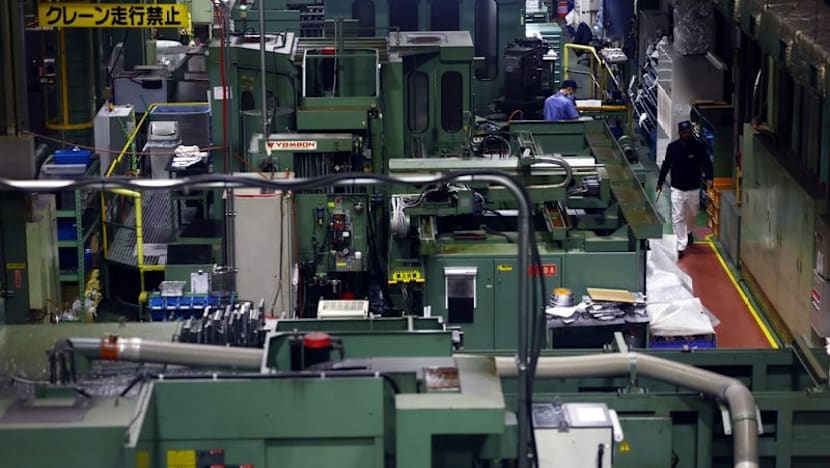
Japan's industrial production advanced 1.3 percent in June compared to the previous month, exceeding analyst forecasts that had anticipated a 0.7 percent gain, according to data released by the Ministry of Economy, Trade and Industry on Friday. The seasonally adjusted figures mark the latest indicator of resilience in Asia's second-largest economy as manufacturers navigate shifting global demand patterns and supply chain adjustments.
The stronger-than-expected reading reflects growing momentum across Japan's manufacturing base, particularly in automotive and machinery sectors that have faced prolonged disruptions from semiconductor shortages and pandemic-era bottlenecks. Factory floors from Gunma to Aichi prefectures have ramped up activity as component availability improves and order books thicken.
Forward Outlook Signals Acceleration
Manufacturers surveyed by the ministry project output will continue climbing through the summer months. On a seasonally adjusted basis, producers expect a 1.2 percent increase in July, followed by a more robust 4.5 percent expansion in August. The August forecast represents one of the most optimistic production outlooks Japanese manufacturers have offered this year, suggesting firms see sustained demand both domestically and from key export markets across Asia and North America.
The optimism comes as Japanese companies regain competitiveness in precision machinery, industrial equipment, and automotive parts - sectors where quality and reliability command premium pricing even amid cost pressures. Several large manufacturers have announced capacity expansions and workforce additions in recent quarters, betting on sustained recovery momentum through the fiscal year.
Regional Context and Competitive Dynamics
Japan's production uptick occurs against a backdrop of mixed manufacturing signals across Asia. South Korea's industrial output has shown volatility tied to semiconductor cycles, while China's factory activity has moderated as domestic consumption patterns shift. Japanese manufacturers, particularly those focused on capital goods and intermediate components, stand to benefit from regional infrastructure investment and the ongoing diversification of supply chains away from single-country concentration.
The yen's relative weakness against the dollar and euro has also provided a tailwind for Japanese exporters, making their products more competitive in foreign markets without triggering the currency volatility that can disrupt long-term planning. Several analysts note that the combination of stable currency conditions, improved supply chains, and robust regional demand creates a favorable environment for sustained industrial growth through the second half of 2026.
Sector-Specific Drivers
Automotive production has been a key contributor to the June gains, with major assemblers increasing output as chip supplies normalize and pent-up demand for both combustion and hybrid vehicles remains strong across Southeast Asia and the Middle East. Precision machinery makers have also reported fuller order books, driven by capital expenditure cycles in electronics manufacturing and infrastructure projects across the region.
The industrial equipment segment, encompassing everything from factory automation systems to construction machinery, has seen particularly strong demand from markets undergoing rapid urbanization and industrial upgrading. Japanese firms with established reputations for durability and after-sales support have captured significant share in these segments, translating into higher capacity utilization rates at home.
Implications for Broader Economic Recovery
The production data reinforces expectations that Japan's economic recovery is broadening beyond the services sector, which had led the rebound as pandemic restrictions eased. Manufacturing accounts for roughly one-fifth of Japan's GDP and employs millions across small and medium enterprises that supply components to larger assemblers. Sustained factory output growth typically translates into wage gains, capital investment, and improved business sentiment - all factors that can support the Bank of Japan's efforts to achieve stable, sustainable growth.
Economists will watch the next two months of data closely to confirm whether the projected August surge materializes. If manufacturers deliver on their forecasts, it would mark the strongest three-month production stretch since early 2025, potentially prompting upward revisions to GDP growth estimates for the fiscal year. For now, the June reading offers a concrete sign that Japan's industrial base is finding its footing in a complex and rapidly evolving regional economy.
RELATED STORIES
Japan's August Exports Rise 19.3% on Semiconductor Demand
Aiko Nakamura · 3 min
China Imposes Anti-Dumping Measures on Japanese Semiconductor Chemical Imports
Jun-ho Seo · 3 min

Berkshire Hathaway Eyes Larger Stakes in Japan's Top Trading Houses
Cheng Wei-Lun · 3 min
Malaysia's Rare Earth Deposits Draw Foreign Interest Ahead of China Export Controls
Priyanka V. Rao · 3 min
Spot something wrong? Email editor@briefasia.com. We log every correction publicly.