Asia · Trade
Japanese Buyers Push for Extended Iran Oil Sanctions Waivers
Tehran explores renewed crude exports to Japan as buyers seek longer exemption periods amid shifting regional energy dynamics
KEY TAKEAWAYS
- ·Iran is pursuing oil sales to Japan while Japanese buyers request longer sanctions waiver periods to reduce procurement uncertainty and enable stable refinery planning
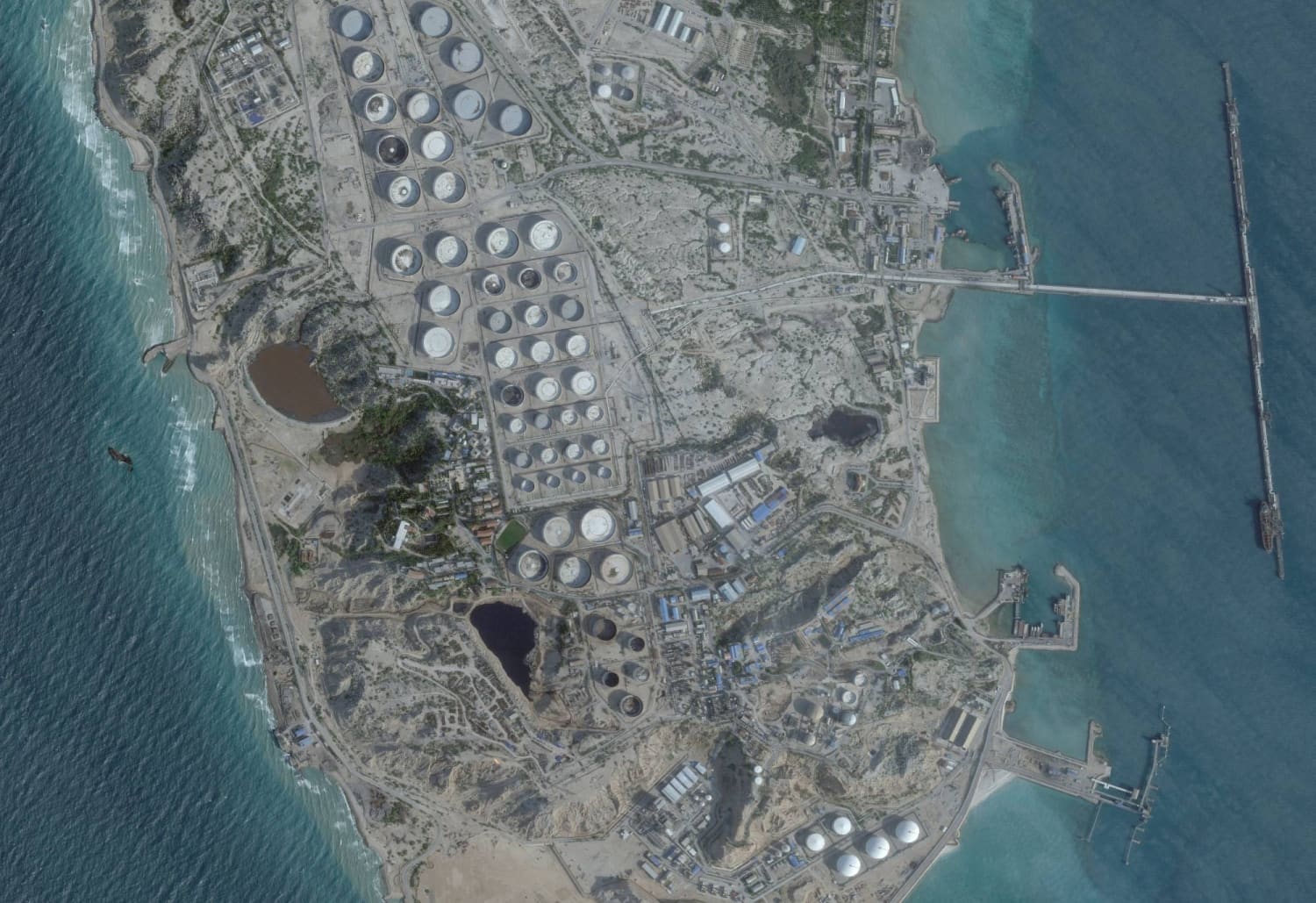
- ·Kharg Island oil terminal would serve as the export hub for any renewed crude shipments to Japanese refiners seeking cost-effective Gulf alternatives
- ·Extended exemptions could reshape Asian energy trade as other regional importers may seek similar arrangements and intensify competition for Iranian crude
Tehran Targets Japan Market
Iran is pursuing oil sales to Japan as Japanese energy importers lobby for extended sanctions exemptions, according to industry developments. The move signals potential changes in Asia's crude supply chains as buyers navigate geopolitical constraints while securing energy access.
Japanese refiners and trading houses are seeking longer waiver periods from current sanctions frameworks that restrict Iranian crude imports. The existing exemption structure requires frequent renewal, creating uncertainty for long-term procurement planning and supply contracts.
Iran's Kharg Island oil terminal, the country's primary export hub in the Persian Gulf, remains central to any renewed export activity. The facility handles the majority of Iranian crude shipments and would serve as the departure point for tankers bound for Japanese ports.
Asia's Energy Calculus
The discussions arrive as Asian importers reassess supply diversification strategies. Japan's energy security priorities have intensified following volatility in global oil markets and shifts in Middle Eastern production patterns. Iranian crude historically offered Japanese refiners a cost-effective alternative to other Gulf suppliers before sanctions tightened.
Iran maintains proven oil reserves exceeding 150 billion barrels, ranking among the world's largest. However, export volumes have remained constrained by successive rounds of international sanctions targeting its energy sector. Any waiver expansion would allow Tehran to recapture market share in Asia's largest economies.
Japanese buyers argue that longer exemption windows reduce procurement risks and enable more stable refinery planning. Current short-term waivers force importers to maintain backup supply arrangements and limit the ability to negotiate favorable contract terms with Iranian counterparties.
Regional Trade Implications
The potential resumption of significant Iranian crude flows to Japan would reshape regional energy trade patterns. South Korea and China have historically been Iran's primary Asian customers during periods of reduced sanctions enforcement. Japanese re-entry into this market would intensify competition among Asian buyers and potentially influence pricing dynamics across Gulf crude grades.
Iran's National Iranian Oil Company has maintained relationships with Asian trading partners despite years of restricted access. The state entity manages export contracts and coordinates shipments through Kharg Island and other terminals. Any renewed Japanese purchases would require coordination between Japanese importers, Iranian oil authorities, and relevant government agencies overseeing sanctions compliance.
Japanese refiners process multiple crude grades to produce gasoline, diesel, and other petroleum products for domestic consumption. Iranian crude varieties, including Iran Heavy and Iran Light, offer specific refining characteristics that Japanese facilities can accommodate within their existing infrastructure.
What Comes Next
The outcome of these discussions will depend on broader diplomatic developments and sanctions policy decisions. Japanese government officials will need to balance energy security considerations against international coordination on Iran policy. The timing of any waiver extensions remains uncertain as stakeholders assess geopolitical conditions.
Asian energy markets are watching closely. If Japan secures longer exemptions, other regional importers may seek similar arrangements. The precedent could influence how sanctions frameworks accommodate the energy needs of major consuming nations while maintaining pressure on targeted states.
For now, Japanese buyers continue evaluating supply options as they await clarity on exemption terms. Iran, meanwhile, positions itself to capitalize on any opening that allows expanded crude sales into Asia's second-largest economy.
RELATED STORIES

Berkshire Hathaway Eyes Larger Stakes in Japan's Top Trading Houses
Cheng Wei-Lun · 3 min

Honda Demands 30% Price Cuts From Suppliers in $9.4 Billion Cost Plan
Cheng Wei-Lun · 3 min
ABN Amro Clearing to Break Into Japan's Power Futures Market
Tran Quoc Bao · 3 min
Malaysia's Rare Earth Deposits Draw Foreign Interest Ahead of China Export Controls
Priyanka V. Rao · 3 min
Spot something wrong? Email editor@briefasia.com. We log every correction publicly.