Asia · Politics
Japan's Health Insurance Federation Pushes for System Overhaul
Kenporen calls for urgent reform talks as aging population strains employer-backed medical coverage across the country
KEY TAKEAWAYS
- ·The National Federation of Health Insurance Societies, representing 1,400 corporate health plans covering 30 million people, has requested formal negotiations on medical insurance reform in Japan.
- ·Rising costs from an aging population and mandatory contributions to elderly care programs are straining employer-backed insurance societies, with some operating at deficits despite premium increases.
- ·Reform options under discussion include consolidating insurance pools, increasing government subsidies, and adjusting contribution formulas, though comprehensive change will require navigating Japan's consensus-driven policy process.
Growing Pressure on Corporate Health Plans
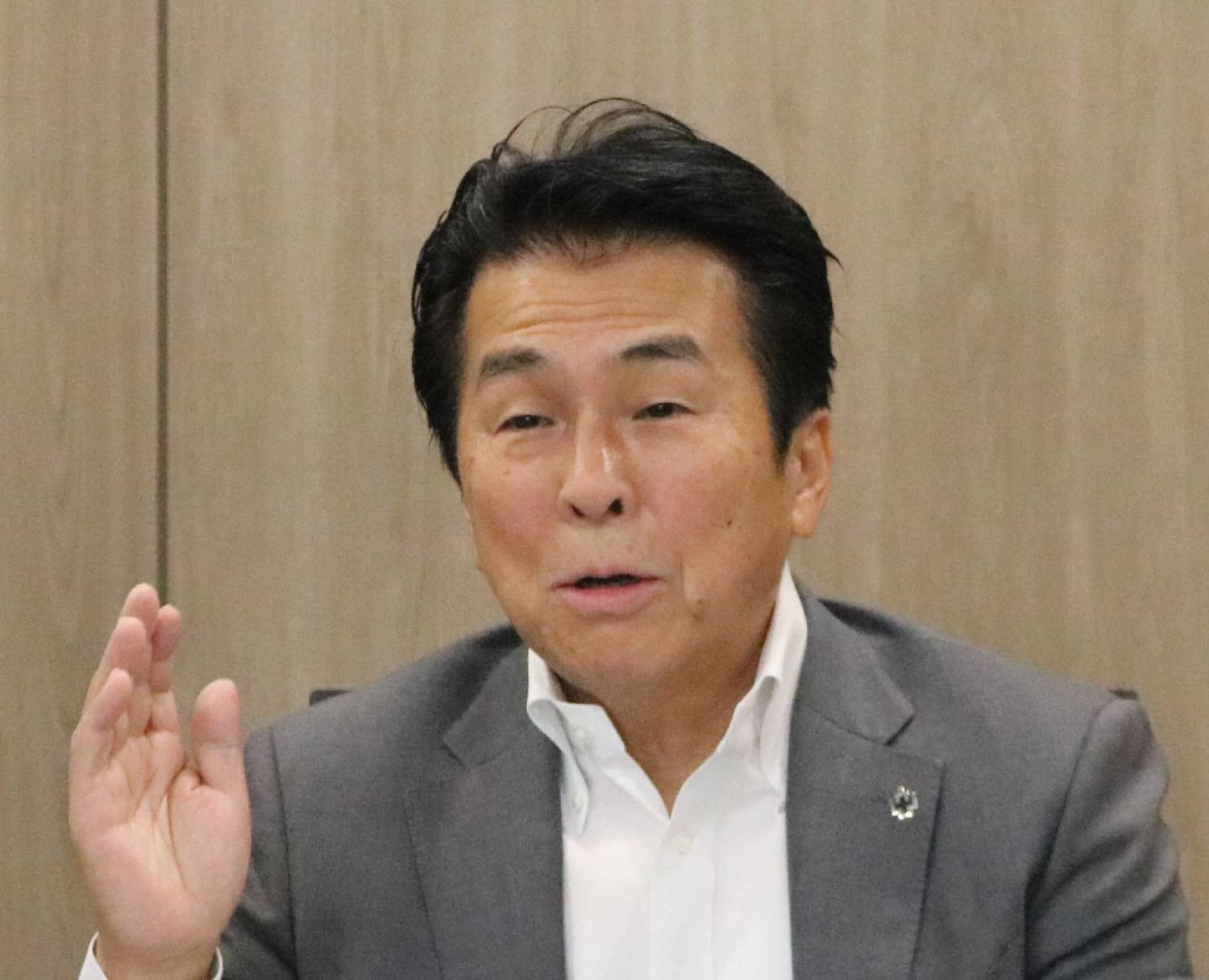
The National Federation of Health Insurance Societies has formally requested negotiations on medical insurance reform, signaling mounting strain on Japan's employer-backed healthcare system. Takashi Yonekawa, deputy head of the federation known as Kenporen, outlined the organization's position in recent statements, marking a significant push from the private sector to reshape the country's healthcare funding model.
Kenporen represents approximately 1,400 health insurance societies covering around 30 million employees and their dependents, making it one of the largest voices in Japan's complex medical insurance landscape. The federation's call for reform comes as corporate health plans face escalating costs tied to an aging workforce and rising medical expenses.
The Demographic Squeeze
Japan's rapidly aging society has placed unprecedented pressure on all layers of its healthcare system. By 2025, more than one-third of the population was aged 65 or older, a proportion that continues to climb. This demographic shift forces employer-backed insurance societies to shoulder growing financial burdens, including mandatory contributions to programs supporting elderly care.
The current structure requires corporate health insurance societies to make substantial payments into the national healthcare system for seniors, even as their own member populations age and require more expensive treatments. This dual pressure has left many corporate plans operating on thin margins, with some facing deficits despite raising premiums.
Reform at a Crossroads
Kenporen's push for talks reflects broader anxiety within Japan's business community about the sustainability of the current model. The federation has previously advocated for measures including adjusting the contribution formula for elderly care programs, increasing government subsidies, and exploring structural changes to how medical costs are distributed across different insurance pools.
Japan operates a universal healthcare system built on multiple insurance schemes. Employees of large companies typically belong to society-managed health insurance, while those at smaller firms are covered under the Japan Health Insurance Association. Self-employed individuals and retirees fall under separate municipal and elderly care programs. This fragmented structure creates complexity in cost-sharing arrangements and complicates reform efforts.
Business Impact and Policy Options
The financial strain on corporate health plans has real implications for Japanese businesses. Higher insurance costs translate to increased labor expenses, potentially affecting competitiveness and hiring decisions. Some companies have already raised employee premium contributions or reduced benefits to maintain solvency in their health insurance societies.
Policy discussions have centered on several potential reform paths. One option involves consolidating insurance pools to spread risk more evenly across the system. Another focuses on increasing public funding to relieve pressure on employer-backed plans. A third approach examines ways to control underlying medical costs through efficiency measures and preventive care initiatives.
The Ministry of Health, Labour and Welfare has acknowledged the challenges facing corporate health insurance but has moved cautiously on structural reforms, mindful of the political sensitivities surrounding healthcare policy and the competing interests of various stakeholders.
Regional Variations and Stakeholder Positions
The pressure on corporate health insurance is not uniform across Japan. Companies in regions with older populations or in industries with aging workforces face more acute challenges. Manufacturing and traditional sectors often carry higher healthcare costs compared to younger, technology-focused firms concentrated in urban centers.
Medical providers, pharmaceutical companies, and patient advocacy groups each bring different priorities to reform discussions. Hospitals seek stable reimbursement rates, drugmakers push for continued innovation incentives, and patient groups emphasize maintaining access and quality of care.
Kenporen's formal call for negotiations suggests the federation believes the current trajectory is unsustainable without intervention. The organization has built alliances with business groups and some political factions, though comprehensive reform will require navigating Japan's consensus-driven policymaking process.
What Comes Next
The timing of Kenporen's push coincides with broader fiscal debates in Japan. The government faces pressure to address rising social security costs while managing a debt burden exceeding twice the size of the economy. Healthcare reform sits at the intersection of these fiscal challenges, demographic realities, and quality-of-life concerns for an aging population.
Negotiations, if they proceed, will likely unfold over months or years rather than weeks. Japan's healthcare system has evolved incrementally, with major reforms typically requiring extensive consultation and phased implementation. The federation's public call for talks marks an opening position rather than an endpoint.
For now, corporate health insurance societies continue managing rising costs while awaiting policy direction. The outcome of reform discussions will shape not only the financial health of employer-backed insurance but also the broader sustainability of Japan's healthcare model as the country navigates demographic headwinds that few other nations have faced at similar scale.
RELATED STORIES

Berkshire Hathaway Eyes Larger Stakes in Japan's Top Trading Houses
Cheng Wei-Lun · 3 min

Malaysia's Rare Earth Deposits Draw Foreign Interest Ahead of China Export Controls
Priyanka V. Rao · 3 min

Honda Demands 30% Price Cuts From Suppliers in $9.4 Billion Cost Plan
Cheng Wei-Lun · 3 min

Mitsubishi Motors Brings Back Pajero SUV With Thailand Launch
Cheng Wei-Lun · 3 min
Spot something wrong? Email editor@briefasia.com. We log every correction publicly.