Finance · Markets
Japan's Foreign Exchange Account Surplus Hits $31 Billion on Yen Weakness
The special account managing currency reserves posted its second-largest surplus on record in fiscal 2025, driven by the wide US-Japan interest rate gap and yen depreciation.
KEY TAKEAWAYS
- ·Japan's foreign exchange reserve account generated a 5.06 trillion yen surplus in fiscal 2025, the second-highest on record, driven by yen weakness and US-Japan rate differentials.
- ·The Finance Ministry transferred 3.13 trillion yen to the general budget while allocating 1.34 trillion yen to the foreign exchange fund and carrying forward 585 billion yen.
- ·Prime Minister Takaichi has discussed using reserve surpluses to fund a consumption tax suspension on food as the weak yen boosts reserve performance.
Record-Breaking Returns from Currency Management
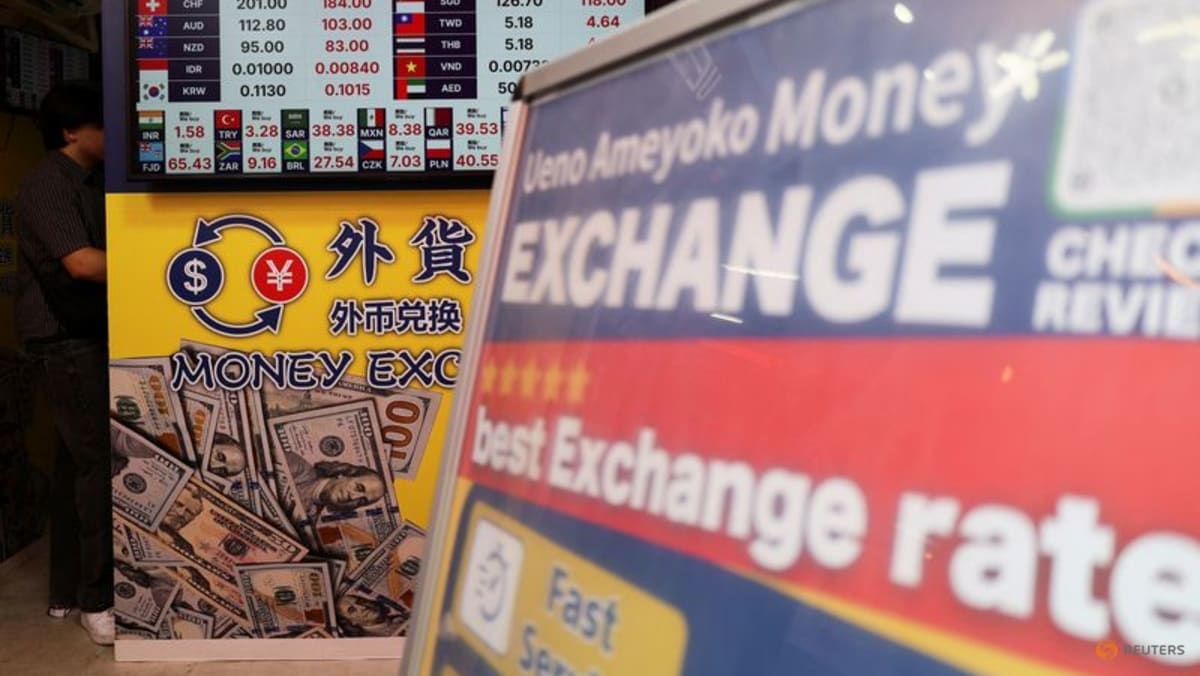
Japan's special government account for foreign exchange reserves delivered a surplus of 5.06 trillion yen ($31 billion) in the fiscal year ending March 2026, according to the Finance Ministry. The figure marks the second-highest surplus on record, trailing only the 5.36 trillion yen posted in fiscal 2024.
The account, which manages reserves used for potential currency market interventions, benefited from two converging forces: the persistent weakness of the yen and the substantial interest rate differential between US and Japanese government debt. Assets held in the account are invested primarily in US Treasuries, funded through yen-denominated financing bills. The income generated from these Treasury holdings far exceeded the interest costs on the bills, creating a net gain amplified by currency movements.
Currency Depreciation as Revenue Multiplier
Yen depreciation played a critical role in magnifying returns when converted back to local currency. As the yen weakened throughout fiscal 2025, each dollar earned on foreign assets translated into more yen, inflating the surplus in nominal terms. The exchange rate stood at approximately 163.5 yen per dollar at the end of the fiscal period, reflecting the currency's decline over the year.
The Finance Ministry allocated the surplus across three channels. It transferred 3.13 trillion yen to the general account as revenue for fiscal 2026, providing direct budget support. Another 1.34 trillion yen went to the foreign exchange fund itself, bolstering the reserve base. The remaining 585 billion yen was carried forward into the special account's fiscal 2026 revenue stream.
Political Interest in Reserve Windfall
Prime Minister Sanae Takaichi has publicly acknowledged the strong performance of foreign reserves, describing them as a major beneficiary of yen weakness. She characterized the reserves as "performing very well" in recent statements.
Takaichi has floated the possibility of tapping the reserve surplus to finance specific policy initiatives, including a proposal to suspend consumption tax on food items. Such a move would redirect windfall gains from currency management into direct fiscal relief, though the mechanics and timing of any such transfer remain under discussion.
The Mechanics of Reserve Profitability
The profitability of Japan's foreign exchange account rests on a structural arbitrage opportunity. Japanese authorities issue low-cost yen debt to purchase higher-yielding US Treasuries, capturing the spread between the two rates. With the Bank of Japan maintaining ultra-low interest rates while the Federal Reserve keeps rates elevated, this gap has remained wide.
Currency depreciation adds a second layer of return. When the yen falls against the dollar, the yen value of dollar-denominated assets rises automatically. This creates a positive feedback loop for the reserve account during periods of yen weakness, even without any change in the underlying asset values.
However, this dynamic also carries risk. A sharp yen appreciation would reverse these gains, potentially turning surpluses into losses. The account's structure makes it sensitive to both interest rate convergence between the US and Japan and sudden shifts in currency markets.
Regional Context and Reserve Management
Japan holds one of the world's largest foreign exchange reserve portfolios, a legacy of decades of current account surpluses and periodic currency interventions. The scale of these reserves gives Tokyo significant firepower to influence exchange rates if needed, though actual intervention has been rare in recent years.
The surplus figures underscore a broader pattern across Asia, where central banks managing large dollar reserves have benefited from the same interest rate and currency dynamics. Yet Japan's position is unique due to its persistent ultra-low domestic rates and the size of its intervention account relative to GDP.
The fiscal windfall from reserve management offers Tokyo a rare budgetary cushion at a time when public debt remains high and demographic pressures mount. Whether these gains prove durable depends on the trajectory of both monetary policy divergence and currency markets in the months ahead.
RELATED STORIES
Yen Climbs to Eight-Month High as Rate Hike Expectations Shift Sentiment
Jun-ho Seo · 3 min

Bank of Japan Prepares Third Rate Increase in Ten Months
Aiko Nakamura · 3 min
Malaysian Ringgit Gains Ground as Markets Anticipate Fed and BOJ Rate Moves
Tran Quoc Bao · 2 min

Japan's Central Bank and Markets Diverge on Rate Hike Trajectory
Aiko Nakamura · 3 min
Spot something wrong? Email editor@briefasia.com. We log every correction publicly.