Asia · Business
Japan's Food Self-Sufficiency Drops to 37%, Eight Points Below 2030 Target
The calorie-based measure fell another percentage point in fiscal 2025, highlighting the nation's vulnerability to global supply shocks as structural farm challenges persist.
KEY TAKEAWAYS
- ·Japan's calorie-based food self-sufficiency ratio fell to 37 percent in fiscal 2025, one point lower than the prior year and eight points below the government's 2030 target of 45 percent.
- ·The ratio has remained below 40 percent for more than a decade, driven by declining rice consumption, aging farmers, shrinking farmland, and dietary shifts toward imported wheat and soybeans.
- ·The Ministry of Agriculture will review progress toward the 2030 goal later this month and consider additional policy measures to expand domestic wheat and soybean production.
Falling Short of the Goal
Japan's food self-sufficiency ratio slipped to 37 percent in the fiscal year that ended March 31, down one percentage point from the previous year, according to the Ministry of Agriculture, Forestry and Fisheries. The figure leaves the country eight points behind its 45 percent target for fiscal 2030, a gap that underscores the difficulty of reversing a multi-decade decline in domestic food production.
The calorie-based metric, which tracks the share of consumed food produced within Japan's borders, has stayed below the 40 percent threshold for over ten years. By comparison, Australia, Canada, France, and the United States all report self-sufficiency ratios exceeding 100 percent. Germany stood at 81 percent, Britain at 56 percent, and Italy at 51 percent in 2023, using ministry estimates drawn from the most recent available data.
The latest drop stems from two main factors: continued declines in rice consumption and an increase in private-sector food stockpiles, both of which shift the calculation downward. Rice, long the cornerstone of Japanese diets, has seen steady erosion in per-capita consumption as eating habits tilt toward meat, processed foods, and oil-based dishes.
Structural Headwinds in the Farm Sector
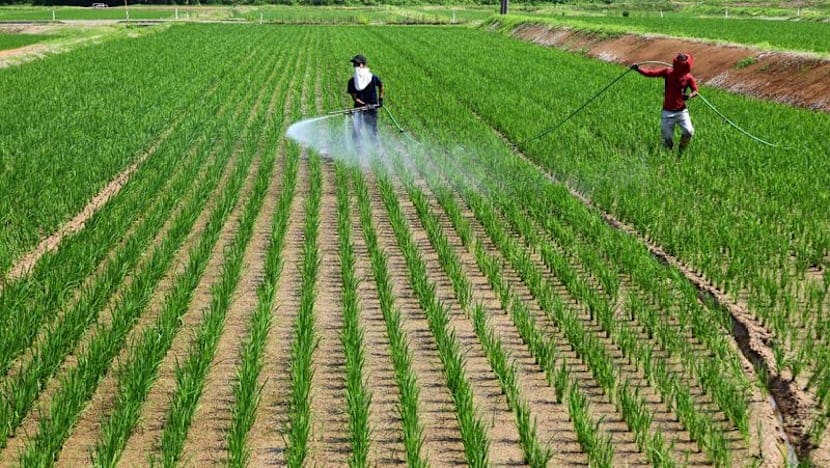
Japan's agricultural industry faces a convergence of structural pressures that make the 2030 target difficult to reach. The farming population is aging rapidly, with few successors willing to take over family operations. Available farmland continues to shrink as rural areas depopulate and parcels are abandoned or repurposed.
Dietary shifts compound the problem. As consumers move away from rice and toward protein and convenience foods, domestic production struggles to keep pace with changing demand patterns. Many of the crops and ingredients that now dominate Japanese kitchens, particularly wheat and soybeans, are imported in large volumes.
The ministry's production-value measure, which weights higher-priced domestic goods more heavily, rose two percentage points to 66 percent in fiscal 2025. That increase reflects stronger prices for rice and livestock products, but it does little to address the underlying calorie gap or reduce import dependence for staple grains.
Asia's Import Vulnerability
Japan's reliance on foreign food supplies exposes the country to disruptions driven by geopolitical instability. The prolonged conflict between Russia and Ukraine has roiled global grain markets, while tensions in the Middle East threaten shipping lanes and energy costs that ripple through agricultural supply chains. For an island economy with one of the lowest self-sufficiency ratios among developed nations, these risks are acute.
Toshiaki Sasaki, planning director at the ministry's food security office, said the government intends to expand farmland dedicated to wheat and soybeans, two categories where import dependence remains especially high. The ministry will review progress toward the fiscal 2030 target later this month and weigh whether additional policy measures are necessary.
What Comes Next
Achieving the 45 percent goal will require more than incremental adjustments. Japan needs to attract new entrants to farming, consolidate fragmented landholdings, and invest in crop varieties and production techniques suited to domestic conditions. At the same time, policymakers must contend with consumer preferences that have drifted away from the rice-centric diets that once anchored Japan's food security.
The ministry's upcoming review will test whether current initiatives, including subsidies for wheat and soybean cultivation and programs to support young farmers, are sufficient to close the gap. With less than five years remaining until the 2030 deadline, the margin for delay is narrow. For executives and investors watching Asia's food markets, Japan's struggle to feed itself domestically signals both risk and opportunity in a region where import demand continues to grow.
RELATED STORIES
Japanese Companies Push for Currency Stability as Weak Yen Squeezes Margins
Aiko Nakamura · 3 min
Sojitz Expands Vietnamese Beef Operations With Japanese Hygiene Standards
Cheng Wei-Lun · 3 min

Modi Set to Address Nation Amid Job Crisis as SMIC Reports Earnings
Priyanka V. Rao · 4 min

Japan Prepares Alternative Career Track to Boost UN Representation
Aiko Nakamura · 3 min
Spot something wrong? Email editor@briefasia.com. We log every correction publicly.