Asia · Business
Japan's Deep-Sea Rare Earth Extraction Faces Commercial Reality Check
Successful recovery of yttrium and dysprosium from Pacific seabed deposits highlights technical progress but underscores cost barriers to reducing China dependence
KEY TAKEAWAYS
- ·Japan successfully recovered yttrium and dysprosium from deep-sea mud off Minamitorishima, proving technical feasibility of Pacific seabed rare earth extraction.
- ·Extraction costs remain prohibitively high compared to Chinese land-based production, which controls 70 percent of global supply and benefits from established infrastructure.
- ·Tokyo views the program as strategic insurance against supply disruptions, prioritizing supply-chain resilience over immediate commercial profitability in critical minerals.
A Technical Milestone in Hostile Waters
Japan has pulled rare earth elements from the Pacific Ocean floor, demonstrating that recovery of critical minerals from deep-sea sediment is no longer theoretical. The operation targeted mud deposits located off Minamitorishima, a remote atoll roughly 1,850 kilometers southeast of Tokyo, where concentrations of yttrium and dysprosium have been confirmed. The extraction represents a significant technical achievement for a country that imports virtually all of its rare earths and has spent decades searching for alternatives to Chinese supply dominance.
The seabed mud, retrieved from depths exceeding one kilometer, proved rich in elements essential to high-performance magnets, electric vehicle motors, and defense systems. Yttrium is a cornerstone of phosphors used in LED displays and medical imaging equipment. Dysprosium enhances the heat tolerance of neodymium magnets, making it indispensable for electric drivetrains and wind turbines. Both command premium prices when global supply tightens, and both are overwhelmingly sourced from processing chains that run through China.
Japan's government-backed research consortium conducted the drilling test as part of a broader effort to map and evaluate undersea mineral resources within its exclusive economic zone. The Pacific seabed around Minamitorishima has emerged as one of the most promising targets, with survey data indicating concentrations several times higher than typical continental deposits. The successful recovery confirms that the material can be brought to the surface and processed, closing a critical knowledge gap in the feasibility chain.
The Economics Problem Nobody Has Solved
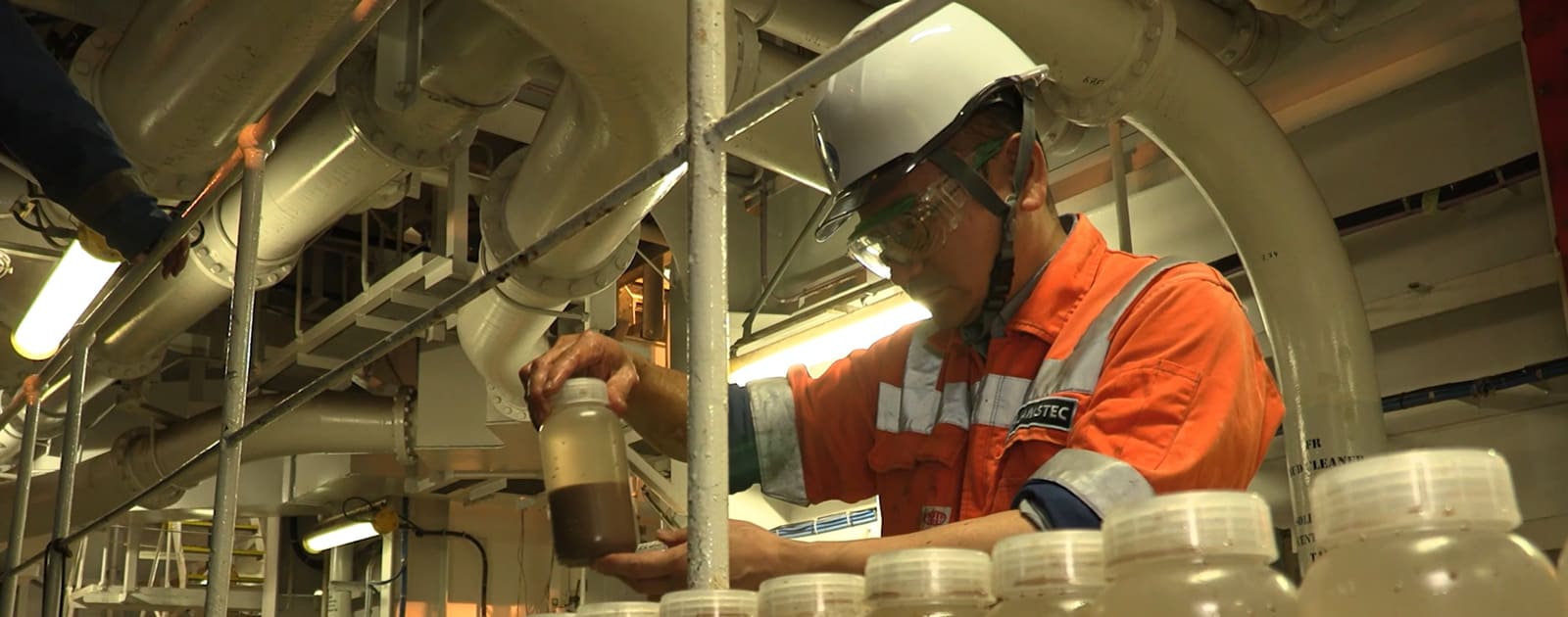
Technical success does not translate to commercial viability. Deep-sea rare earth extraction remains orders of magnitude more expensive than conventional mining, and the gap is wide enough to deter private investment. Lifting sediment from the ocean floor requires specialized vessels, remotely operated drilling platforms, and processing equipment capable of handling high volumes of low-grade material in a corrosive saltwater environment. Operating costs compound quickly at depth, and the energy required to pump and separate slurry at scale is substantial.
China controls roughly 70 percent of global rare earth production and an even larger share of refining capacity. Chinese producers benefit from established infrastructure, lower labor costs, and decades of process optimization. Rare earth mining is also environmentally challenging, generating radioactive tailings and chemical waste. China has absorbed those externalities, allowing it to undercut competitors on price. Japan's seabed deposits, by contrast, would enter a market where the benchmark is set by vertically integrated Chinese operations that have already amortized capital expenditure.
The cost structure for undersea mining includes not only extraction but also the logistics of operating far from shore. Minamitorishima has no port, no permanent population, and no industrial base. Any commercial operation would require a floating processing facility or long-haul transport of raw slurry to mainland refineries. Weather windows in the western Pacific are narrow, and typhoon seasons can shut down operations for months. Insurance, equipment downtime, and regulatory compliance add further layers of expense that land-based mines avoid.
Strategic Calculus Beyond the Balance Sheet
Despite the economics, Japan's interest in seabed rare earths is driven by strategic imperatives that transcend immediate profitability. The country experienced a sharp wake-up call in 2010 when China briefly restricted rare earth exports during a territorial dispute, sending prices soaring and exposing the fragility of Tokyo's supply chains. Since then, Japan has pursued a multi-pronged strategy: stockpiling critical materials, funding recycling initiatives, investing in alternative sources in Australia and Kazakhstan, and exploring domestic deposits both on land and underwater.
The seabed program fits within this broader risk-mitigation framework. Even if commercial production remains years away or never achieves price parity with Chinese imports, the option value is significant. In a scenario where geopolitical tensions disrupt trade flows or export controls tighten, having a proven domestic extraction capability, however expensive, provides a fallback that pure import dependence does not. Japan's Ministry of Economy, Trade and Industry has signaled willingness to subsidize early-stage development if it advances supply-chain resilience.
Other nations are watching closely. South Korea, India, and several Southeast Asian economies face similar rare earth dependencies and are evaluating their own offshore mineral potential. The technology and operational lessons from Japan's program could accelerate regional efforts to diversify sourcing, particularly if costs decline as drilling and processing techniques mature. The race to secure critical minerals is intensifying across Asia, driven by electric vehicle adoption, renewable energy build-outs, and defense modernization programs that all hinge on reliable access to rare earths.
What Comes Next
Japan's next steps will determine whether the seabed deposits move from pilot project to industrial reality. The government and its research partners must now assess whether incremental improvements in drilling efficiency, processing chemistry, and scale can narrow the cost gap to a tolerable range. Private mining companies will weigh whether state subsidies or long-term offtake agreements can de-risk investment. Environmental reviews will scrutinize the impact of large-scale sediment removal on deep-sea ecosystems, an area where scientific understanding remains limited.
The timeline for any commercial operation is measured in years, not quarters. Permitting alone could take half a decade, and building the infrastructure to support continuous extraction and refining would require capital commitments in the billions of dollars. Yet the successful recovery from Minamitorishima proves that the resource is accessible, and that Japan possesses the technical capability to exploit it. Whether that capability ever translates into a functioning supply chain will depend on how Tokyo values security of supply relative to cost, and whether the geopolitical landscape shifts enough to justify the premium.
RELATED STORIES
Malaysia's Rare Earth Deposits Draw Foreign Interest Ahead of China Export Controls
Priyanka V. Rao · 3 min

Berkshire Hathaway Eyes Larger Stakes in Japan's Top Trading Houses
Cheng Wei-Lun · 3 min

Honda Demands 30% Price Cuts From Suppliers in $9.4 Billion Cost Plan
Cheng Wei-Lun · 3 min

Mitsubishi Motors Brings Back Pajero SUV With Thailand Launch
Cheng Wei-Lun · 3 min
Spot something wrong? Email editor@briefasia.com. We log every correction publicly.