Finance · Markets
Japan Steps Into Currency Markets to Defend Yen Ahead of BOJ Meeting
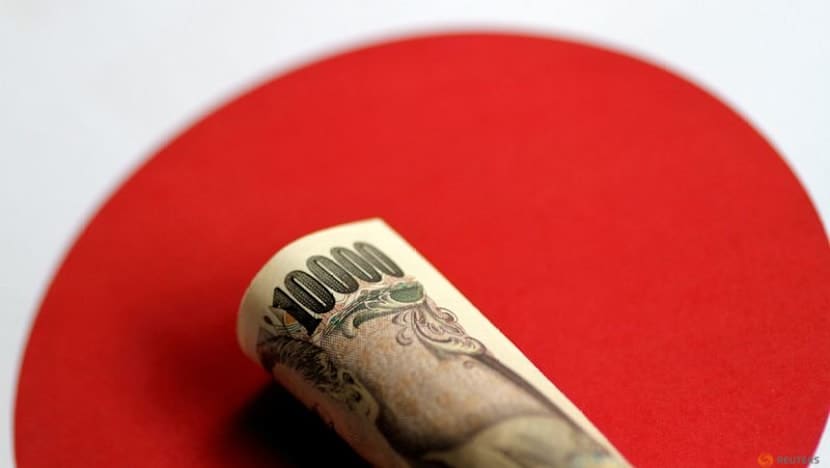
Tokyo conducted its first intervention in three months as the yen languished near four-decade lows, with US authorities signaling support for a stronger currency.
KEY TAKEAWAYS
- ·Japan bought yen in New York trading Thursday, its first intervention since May, as the currency traded near 159 per dollar, levels last seen in the 1980s.
- ·The move came hours before the Bank of Japan's policy meeting, where the central bank is expected to hold rates at 1 per cent while signaling readiness for further hikes.
- ·US Treasury Secretary Scott Bessent said the yen appears undervalued, with reports indicating US authorities conducted rate checks that typically precede coordinated currency operations.
Currency Action Returns
Japan executed yen-buying intervention in New York trading on Thursday, according to market sources, marking Tokyo's first direct action in foreign exchange markets since early May. The dollar fell sharply against the yen, dropping from 159.22 to trade around 159.63 by Friday's Asian session.
The timing places the intervention just hours before the Bank of Japan's two-day policy meeting concludes Friday, where the central bank is expected to hold its benchmark rate at 1 per cent while maintaining a hawkish stance on future tightening.
US Treasury Secretary Scott Bessent told Fox Business Network that Japan may have intervened, adding that the yen "seems very undervalued to me." The Nikkei reported that US authorities conducted rate checks, preliminary steps that typically precede coordinated currency operations.
Scale and Context
Japan deployed a record 11.7 trillion yen, roughly $73 billion, between late April and early May in its previous intervention campaign. That effort provided only temporary relief; the yen resumed its slide and touched a 40-year low above 163 per dollar earlier in July.
The currency's persistent weakness has compounded inflation pressures driven by surging energy import costs, a dynamic worsened by conflict in Iran that has disrupted global oil flows. Finance Minister Satsuki Katayama has repeatedly warned of "decisive" action, though markets had grown skeptical of Tokyo's willingness to act again so soon.
Toru Suehiro, chief economist at Daiwa Securities, noted the intervention came earlier than many anticipated. "The timing was faster than expected," he said, according to Daiwa. "If the U.S., as reported, has conducted rate checks and may be endorsing a weak dollar, that's positive for the Takaichi administration."
Policy Crosscurrents
BOJ Governor Kazuo Ueda faces competing pressures as he prepares to brief markets Friday afternoon. Prime Minister Sanae Takaichi's administration has signaled caution on further rate increases, wary of choking off economic growth. At the same time, a weaker yen risks pushing import costs higher and entrenching inflation above the BOJ's 2 per cent target.
Washington has voiced support for both Tokyo's currency interventions and additional BOJ rate hikes. In its semi-annual currency report earlier this month, the US Treasury Department flagged persistent yen weakness despite narrowing interest rate differentials between the two countries, calling excess volatility undesirable.
The Treasury also urged the BOJ to continue lifting rates, noting that inflation has eroded household purchasing power even as nominal wages have risen. That dual message from Washington gives Tokyo political cover to act on both fronts, currency intervention and monetary tightening, without risking diplomatic friction.
Market Implications
Currency traders had been on alert for weeks, anticipating intervention after top currency diplomat Atsushi Mimura remained silent following the May operations. Mimura, who holds authority over the timing and scale of market actions, has kept his strategy opaque, a tactic designed to maximize uncertainty and deter speculative bets against the yen.
The question now is whether this intervention will prove more durable than the last. The May campaign bought Tokyo only a few weeks before momentum reversed. Analysts point to two factors that could make this round more effective: explicit US support and the potential for the BOJ to signal a faster pace of rate hikes in the months ahead.
Governor Ueda's press conference, scheduled for 3:30 p.m. Tokyo time, will offer the clearest indication of the central bank's trajectory. Markets will parse his language for clues on whether the BOJ sees room to raise rates again before year-end, a move that would help narrow the yield gap with US Treasuries and reduce downward pressure on the yen.
For now, the intervention has succeeded in shifting sentiment. The yen's rapid move off its lows suggests traders are taking Tokyo's warnings more seriously, particularly with Washington appearing to endorse a stronger currency. Whether that shift holds depends on what Ueda says next.
RELATED STORIES
Yen Climbs to Eight-Month High as Rate Hike Expectations Shift Sentiment
Jun-ho Seo · 3 min

Japan Wage Growth Hits 29-Year High, Reinforcing Central Bank Rate Path
Aiko Nakamura · 3 min
Japan's Central Bank and Markets Diverge on Rate Hike Trajectory
Aiko Nakamura · 3 min
Bank of Japan Prepares Third Rate Increase in Ten Months
Aiko Nakamura · 3 min
Spot something wrong? Email editor@briefasia.com. We log every correction publicly.