Finance · Markets
Japan's Core Inflation Climbs to 1.6% in June
The uptick in consumer prices strengthens the Bank of Japan's position as it prepares for further monetary policy tightening.

KEY TAKEAWAYS
- ·Japan's core consumer price index rose 1.6% year-on-year in June, excluding fresh food, according to government data.
- ·The inflation print supports the Bank of Japan's ongoing shift toward higher interest rates after ending negative rates in March 2024.
- ·Markets expect at least one more BOJ rate hike before year-end, with the next policy meeting scheduled for late July.
Price Pressures Build Momentum
Japan's core consumer price index rose 1.6% in June compared to the same month a year earlier, according to data from the Ministry of Internal Affairs and Communications. The figure, which excludes volatile fresh food prices, marks a continuation of inflationary momentum that has kept the Bank of Japan on track for additional interest rate increases.
The reading provides fresh validation for the central bank's pivot away from ultra-loose monetary policy, a stance it maintained for nearly a decade. With inflation holding above the BOJ's 2% target band for extended periods over the past two years, policymakers have signaled a willingness to normalize rates gradually.
Context for the Central Bank's Shift
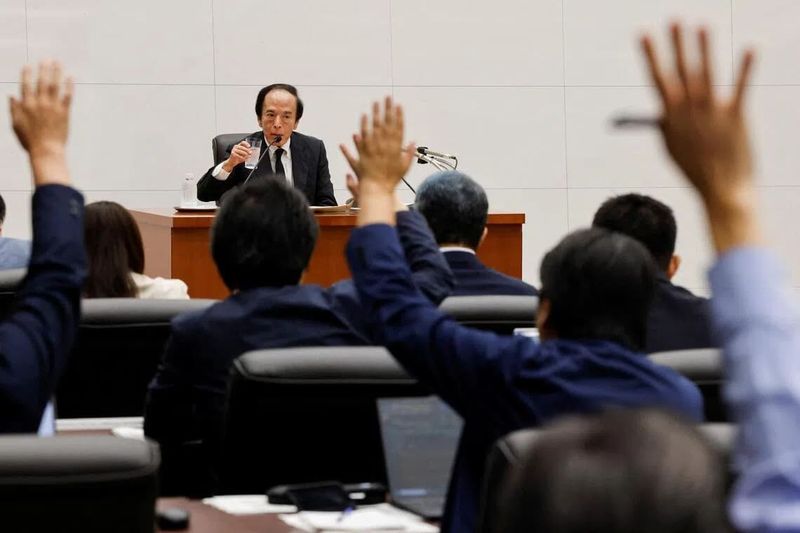
The Bank of Japan ended its negative interest rate policy in March 2024, marking the first rate increase in seventeen years. Since then, Governor Kazuo Ueda has emphasized a data-dependent approach, monitoring wage growth, household spending, and price dynamics before committing to further tightening.
June's inflation print arrives as the BOJ weighs the timing of its next move. Markets have priced in at least one more rate hike before the end of the year, with some analysts expecting two, depending on how consumption and export demand evolve in the second half.
Core inflation in Japan has been driven by a mix of factors: rising import costs tied to a weaker yen, higher energy prices passed through to consumers, and gradual wage increases negotiated during the spring labor offensive. Service-sector inflation has also picked up, reflecting tighter labor markets in urban centers like Tokyo and Osaka.
Regional Implications
Japan's monetary policy trajectory carries weight across Asia. As the world's third-largest economy and a major source of capital flows, any shift in BOJ policy reverberates through regional bond and currency markets. A stronger yen, prompted by higher Japanese rates, can ease inflationary pressure in economies that import Japanese machinery and components, while also affecting competitiveness for exporters in South Korea, Taiwan, and Thailand.
For investors, the BOJ's normalization path contrasts sharply with the extended pause cycles seen in other developed markets. While the Federal Reserve and European Central Bank have held rates steady or hinted at cuts, Tokyo's trajectory remains tilted toward tightening, a dynamic that has drawn fresh attention to Japanese government bonds and the yen as a funding currency.
What Comes Next
The central bank's next policy meeting is scheduled for late July. Market participants will scrutinize the updated quarterly outlook report, which includes revised inflation and growth forecasts. Any upward revision to the inflation outlook would bolster the case for a July or September hike.
Household spending data for June, due in early August, will also factor into the decision. If consumption holds steady despite rising prices, the BOJ may interpret that as evidence that wage gains are translating into purchasing power, reducing the risk that rate hikes will stifle recovery.
Japan's inflation story is far from uniform. While urban consumers face higher costs for dining, transportation, and housing, rural areas have seen more muted price increases. This geographic divergence complicates the central bank's messaging, as rate hikes intended to cool demand in Tokyo may weigh on already fragile rural economies.
For now, the June CPI print keeps the BOJ's hand steady on the tightening lever. The question is not whether rates will rise again, but when and by how much.
RELATED STORIES
Bank of Japan Eyes Rate Increase as Inflation Risks Mount
Cheng Wei-Lun · 4 min
Bank of Japan Signals Possible Rate Increase This Month
Aiko Nakamura · 3 min
Yen Climbs to Eight-Month High as Rate Hike Expectations Shift Sentiment
Jun-ho Seo · 3 min
Japan's 10-Year Bond Yield Breaches 3% for First Time Since 1996
Aiko Nakamura · 4 min
Spot something wrong? Email editor@briefasia.com. We log every correction publicly.