Lifestyle · Culture
Japan Pushes Character IP as Core Engine for Global Economic Growth
Tokyo positions homegrown character franchises as strategic assets, betting on digital-native mascots to capture overseas markets and Gen Z consumers.
KEY TAKEAWAYS
- ·Japan is prioritizing character intellectual property as a strategic economic asset, with digital-native mascots like Opanchu Usagi gaining traction among Generation Z audiences since 2022.
- ·The government supports character-driven growth through policy frameworks and trade initiatives, positioning IP alongside traditional exports as competition from South Korea and China intensifies.
- ·Scaling globally faces hurdles including cultural localization, entrenched Western franchises, and the fast-changing nature of digital trends that can make viral characters fade quickly.
A New Generation of Character Franchises
Japan is doubling down on character intellectual property as a pillar of economic growth, banking on homegrown mascots to unlock new revenue streams in overseas markets. The strategy marks a deliberate shift from traditional export sectors toward soft power assets that resonate with younger, digitally connected consumers across Asia and the West.
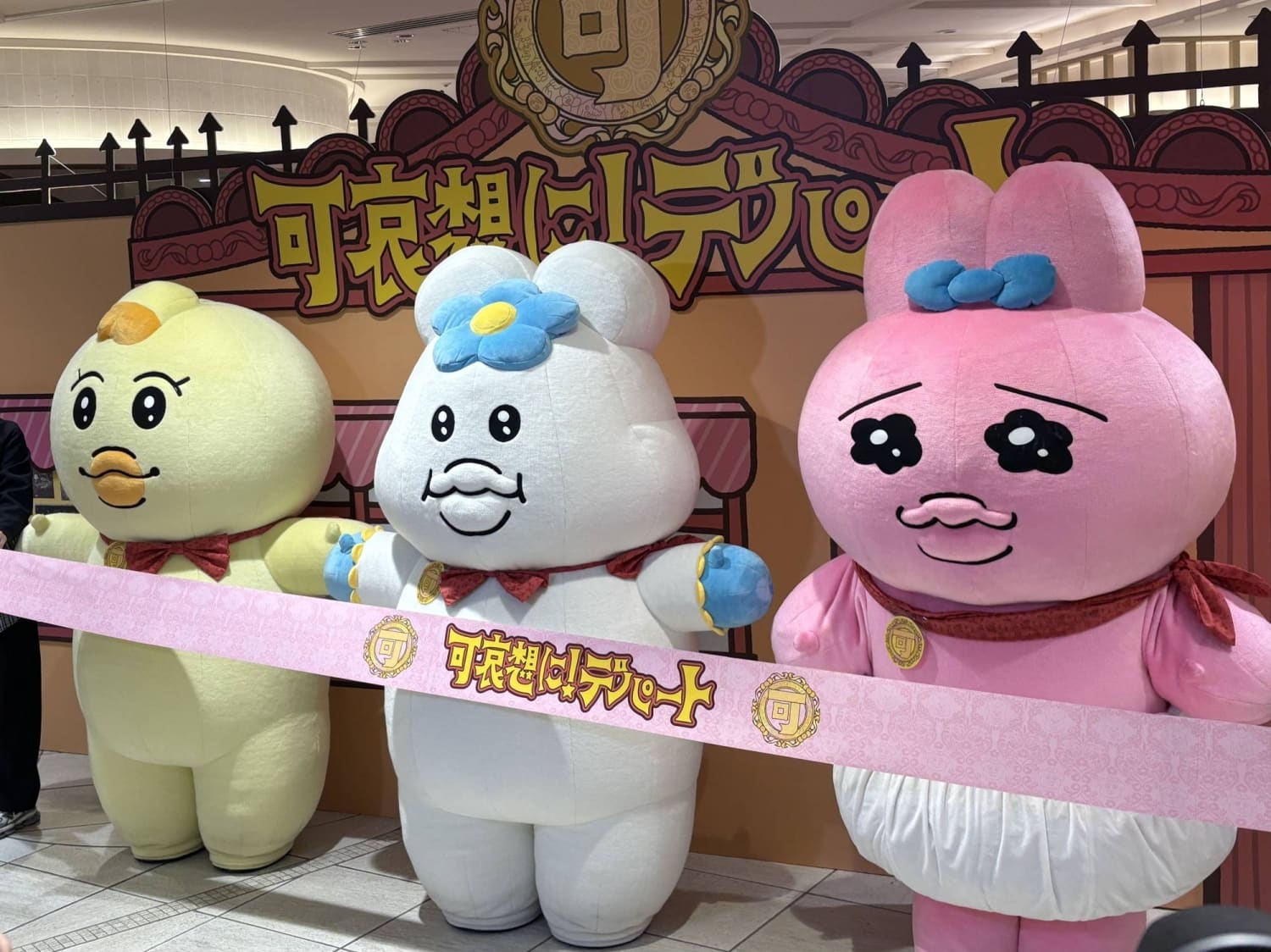
Opanchu Usagi, a rabbit character that debuted on social media in 2022, exemplifies the new playbook. The franchise has gained traction particularly among Generation Z audiences, demonstrating how digital-native IP can scale rapidly without the infrastructure costs of legacy character development. Unlike predecessors that emerged from television or print, Opanchu Usagi built its fanbase directly on platforms where its target demographic already spends time, shortening the path from creation to commercial viability.
The character's trajectory illustrates a broader pattern: Japan's character industry is moving away from slow-burn, broadcast-led launches toward agile, platform-first models. This approach allows creators to test concepts, iterate based on real-time engagement data, and pivot before committing to large-scale merchandising or licensing deals.
Economic Stakes and Regional Competition
Character IP represents a measurable economic lever for Japan. Licensing, merchandise, and cross-media adaptations generate billions of dollars annually, with the sector accounting for a meaningful share of creative exports. As neighboring economies, South Korea and China, ramp up their own entertainment and character franchises, Tokyo views homegrown IP as a competitive advantage that must be actively defended and expanded.
The government has signaled support for character-driven growth through policy frameworks that streamline IP protection, encourage public-private partnerships, and facilitate international licensing. Trade missions increasingly feature character brands alongside automotive and electronics exports, reflecting a recognition that cultural products carry both commercial and diplomatic weight.
For Japanese companies, character IP offers diversification beyond cyclical manufacturing sectors. Licensing agreements with partners in Southeast Asia, North America, and Europe provide recurring revenue with relatively low marginal costs. Digital distribution further amplifies reach, allowing characters to enter markets where physical retail infrastructure is limited or expensive.
Gen Z as the Target Demographic
Generation Z consumers, defined by mobile-first media consumption and platform loyalty, represent the core audience for Japan's next wave of character franchises. This cohort values authenticity, visual storytelling, and shareability, attributes that align well with character-based content designed for social media.
Opanchu Usagi's success hinges on its native fit with these preferences. The character's design, narrative arcs, and engagement tactics were conceived for Instagram, TikTok, and LINE, not retrofitted from older formats. This digital-first DNA allows the franchise to maintain relevance in fast-moving online environments where attention spans are short and competition for visibility is intense.
Japanese creators are studying how Gen Z interacts with characters across markets. Localization extends beyond translation to include cultural references, humor styles, and platform behaviors specific to each region. A character that performs well in Bangkok may require adjustments for Seoul or Jakarta, and IP owners are investing in data analytics to guide those decisions.
Challenges in Scaling Internationally
Despite structural advantages, scaling character IP globally remains complex. Language barriers, cultural differences, and entrenched local competitors limit penetration in some markets. Western audiences, for instance, have established relationships with Disney, Pixar, and homegrown franchises, making it harder for new entrants to claim mindshare.
Licensing and rights management add another layer of difficulty. International partnerships require careful negotiation to protect brand integrity while allowing local partners enough flexibility to adapt products for their markets. Disputes over royalties, quality control, and territorial exclusivity have derailed expansion efforts in the past.
The rapid pace of digital trends also poses risks. A character that gains viral traction can fade just as quickly if creators fail to sustain engagement or if audience tastes shift. Maintaining relevance demands continuous content production, community management, and strategic collaborations, all of which require resources and coordination.
What Comes Next
Japan's character IP strategy will likely evolve along several fronts. Expect more collaborations between traditional media companies and digital platforms, blending legacy expertise with startup agility. Cross-industry partnerships, linking characters with fashion, food, and travel brands, will broaden commercial applications and deepen consumer touchpoints.
Investment in IP infrastructure, including digital rights management, analytics, and creator networks, will accelerate. As the industry matures, consolidation may occur, with larger players acquiring successful franchises or forming alliances to share distribution channels and marketing resources.
The broader question is whether Japan can replicate its historical character successes in a fragmented, algorithm-driven media landscape. The answer will depend on how well creators balance consistency with innovation, and how effectively they navigate the regulatory, cultural, and competitive dynamics of global markets. For now, characters like Opanchu Usagi offer a proof point that digital-native IP can scale, but sustaining that momentum across markets and generations remains an open challenge.
RELATED STORIES

Uniqlo Doubles Down on Flagship Stores to Revive Brand in Home Market
Cheng Wei-Lun · 3 min

Berkshire Hathaway Eyes Larger Stakes in Japan's Top Trading Houses
Cheng Wei-Lun · 3 min

Honda and Nissan Align on Software-Defined Vehicle Development
Cheng Wei-Lun · 2 min

Japan Deploys $96.5 Billion in Currency Intervention to Halt Yen's Slide
Aiko Nakamura · 3 min
Spot something wrong? Email editor@briefasia.com. We log every correction publicly.