Finance · Markets
Japan's Bond Yields Reach Three-Decade Peak as Defence Spending Plans Rattle Markets
Tokyo's fiscal expansion fuels concerns over sovereign debt discipline, pushing 10-year yields to 3.03 per cent and triggering questions about capital reallocation across Asia-Pacific portfolios
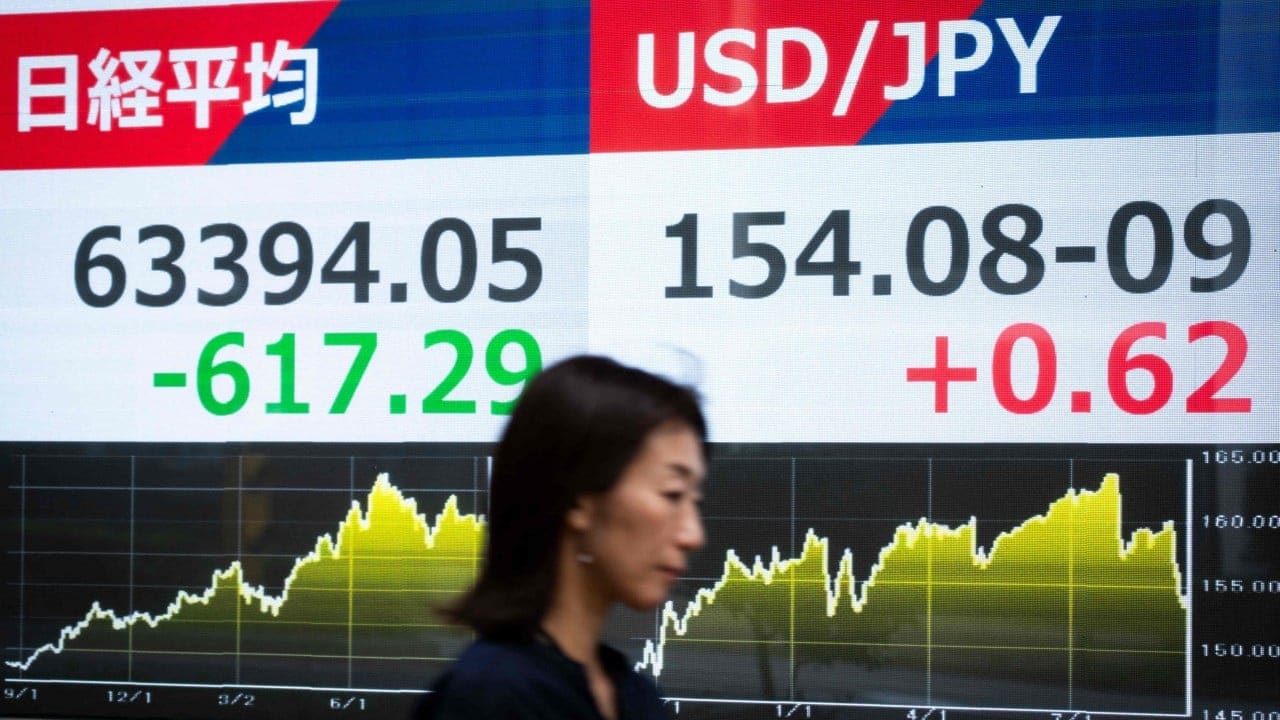
KEY TAKEAWAYS
- ·Japan's 10-year government bond yield climbed to 3.03 per cent this week, the highest level in three decades, while 30-year yields approached 4.1 per cent.
- ·Tokyo's plans to expand defence spending through bond issuance have intensified concerns over fiscal sustainability, given Japan's public debt already exceeds 250 per cent of GDP.
- ·Rising yields are prompting portfolio reallocation across Asia-Pacific markets, with investors reassessing Japanese sovereign exposure and adjusting for higher volatility in fixed-income allocations.
Yields Climb to 1990s Territory
Japan's 10-year government bond yield reached 3.03 per cent this week, marking the highest level in thirty years. The 30-year tenor climbed to 4.1 per cent, approaching its own three-decade peak. The moves reflect a structural shift in how investors price Japanese sovereign risk, particularly as Tokyo commits to substantial increases in military expenditure.
The surge in yields introduces fresh volatility into regional capital flows at a time when Asia-Pacific investors are already recalibrating allocations in response to shifting US monetary policy and uneven growth trajectories across major economies. For decades, Japanese government bonds served as a stable anchor in the region's fixed-income universe. That role now faces its most serious test since the Plaza Accord era.
Defence Budget Expansion Fuels Fiscal Concerns
Tokyo's decision to ramp up defence spending has intensified scrutiny of the government's fiscal trajectory. Japan's public debt-to-GDP ratio already exceeds 250 per cent, among the highest in the developed world. Additional military outlays, without corresponding revenue measures or spending cuts elsewhere, compound concerns about the sustainability of the sovereign balance sheet.
The Ministry of Finance has signalled its intention to finance a portion of the increased defence budget through bond issuance rather than immediate tax adjustments. This approach, while politically expedient, expands the supply of Japanese government bonds entering the market at a time when the Bank of Japan is scaling back its own purchases following years of yield curve control.
Market participants are adjusting their models for Japanese sovereign credit accordingly. The repricing is most visible in longer-dated maturities, where investors demand higher compensation for duration risk in an environment of rising issuance and diminished central bank support.
Implications for Regional Asset Allocation
The rise in Japanese yields has ripple effects across the Asia-Pacific investment landscape. Portfolio managers who traditionally treated Japanese government bonds as a low-risk ballast now confront higher volatility and duration sensitivity. Some are rotating into shorter maturities or diversifying into sovereigns with more conservative fiscal profiles.
Currency markets are also responding. The yen has exhibited renewed strength against several regional currencies as higher domestic yields attract inflows. This dynamic complicates export competitiveness for Japanese manufacturers and alters the calculus for carry trades that previously relied on Japan's ultra-low rate environment.
Equity markets face a more nuanced impact. Higher bond yields typically compress valuation multiples for growth-oriented stocks, particularly in technology and consumer discretionary sectors. Financials, by contrast, may benefit from steeper yield curves and improved net interest margins. The Tokyo Stock Exchange has seen sector rotation consistent with this pattern over recent sessions.
What Comes Next
The trajectory of Japanese yields will depend heavily on two factors: the government's willingness to articulate a credible medium-term fiscal consolidation plan, and the Bank of Japan's tolerance for higher borrowing costs as it continues to normalise monetary policy.
Finance ministry officials have indicated that a comprehensive fiscal review is under consideration, though no timeline has been provided. Any measures to stabilise the debt trajectory, whether through revenue enhancements or expenditure discipline, would likely ease pressure on yields.
Meanwhile, the central bank faces a delicate balancing act. Allowing yields to rise too quickly risks destabilising financial conditions and tightening monetary policy more aggressively than intended. Intervening to cap yields, however, would undermine the credibility of the policy normalisation process and risk reigniting inflation expectations.
For investors across the region, the message is clear: the era of Japan as a source of unconditional stability in fixed-income portfolios has ended. The next phase will require more active management of sovereign exposure and a closer watch on Tokyo's fiscal and monetary policy coordination.
RELATED STORIES
Japan's 10-Year Bond Yield Breaches 3% for First Time Since 1996
Aiko Nakamura · 4 min

Japan's Inflation Eases to 1.7% as Bank Weighs First Rate Rise in Decades
Aiko Nakamura · 3 min
Asian Markets Climb as Oil Retreats Before BOJ Rate Decision
Siti Nuraini · 3 min

Japan's Central Bank and Markets Diverge on Rate Hike Trajectory
Aiko Nakamura · 3 min
Spot something wrong? Email editor@briefasia.com. We log every correction publicly.