Travel & Dining · Trends
Japan's Major Airlines Drop Fuel Surcharges Below ¥60,000 on Long-Haul Routes
JAL and ANA reduce passenger fees as aviation fuel prices and currency fluctuations ease cost pressures on trans-Pacific and European flights
KEY TAKEAWAYS
- ·Japan Airlines and All Nippon Airways are reducing fuel surcharges to below ¥60,000 on U.S. and European routes, down from peaks above ¥70,000.
- ·The cuts reflect two-month rolling averages of lower aviation fuel prices and more favorable foreign exchange rates for Japanese carriers.
- ·Lower surcharges improve price competitiveness against Asian and Gulf rivals as Japan's outbound travel recovery continues to lag pre-pandemic levels.
Relief for International Travelers
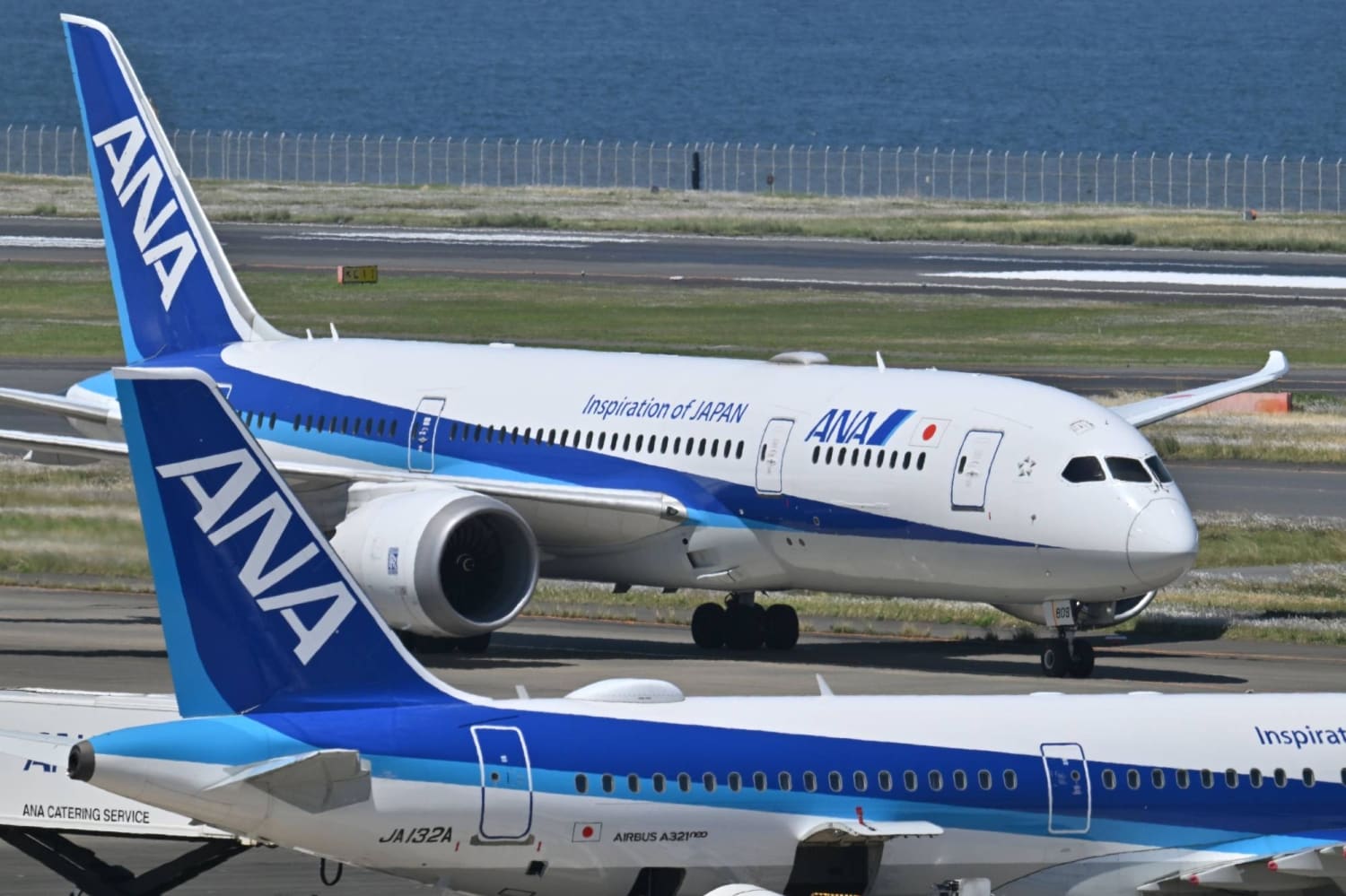
Japan Airlines and All Nippon Airways have announced they will reduce fuel surcharges on flights to the United States and Europe, bringing the fees below ¥60,000 per passenger. The adjustment marks a notable retreat from the elevated surcharge levels that have burdened international travelers over the past two years, as both carriers respond to shifting market conditions in aviation fuel and currency markets.
The reduction applies to long-haul routes connecting Tokyo with major North American and European cities, a network that serves both business travelers and leisure passengers crossing the Pacific and Atlantic. For a round-trip ticket between Tokyo and New York or London, passengers can expect to pay several thousand yen less in mandatory fuel-related fees when the new rates take effect.
How Fuel Surcharges Are Set
Airlines in Japan calculate fuel surcharges using a formula tied to two-month rolling averages of aviation fuel market prices and foreign exchange rates. This methodology creates a lag between actual market movements and the fees passengers see on their tickets, but it provides carriers with a predictable mechanism for managing one of their largest operating expenses.
When crude oil prices climbed and the yen weakened against the dollar in 2024 and early 2025, Japanese airlines raised surcharges repeatedly, at times pushing fees above ¥70,000 on certain routes. The current downward revision suggests that recent months have brought more favorable conditions: either aviation fuel has become cheaper on global markets, the yen has strengthened, or both trends have converged.
Competitive Pressure in Asia's Skies
The move by JAL and ANA comes as competition intensifies across Asian aviation markets. Carriers in South Korea, Taiwan, and Southeast Asia have expanded their long-haul networks, offering travelers alternative routings through Seoul, Taipei, and Singapore. Price-sensitive passengers, particularly in the leisure segment, have proven willing to connect through these hubs if total ticket costs drop meaningfully.
Japanese carriers have invested heavily in fleet renewal and premium cabin products to defend their position, but fuel surcharges remain a visible line item that travelers scrutinize. Lowering these fees improves the all-in price competitiveness of JAL and ANA tickets, especially against Gulf carriers and Chinese airlines that sometimes absorb fuel costs differently or benefit from state support.
Implications for Travel Demand
Lower surcharges could accelerate the recovery of outbound travel from Japan, which has lagged pre-pandemic levels despite the lifting of entry restrictions in most destination countries. Business travel has rebounded unevenly, with video conferencing still substituting for some face-to-face meetings, while leisure demand has grown but remains sensitive to total trip costs.
Inbound tourism to Japan has surged, driven by the weak yen and pent-up demand from across Asia and the West. The surcharge cuts, however, primarily benefit Japanese residents flying outbound and international passengers using Tokyo as a gateway to onward destinations in Asia. For airlines, the challenge is balancing lower per-ticket ancillary revenue with the potential for higher load factors and stronger volumes.
Watching Oil and Currency Markets
Aviation fuel prices remain volatile, influenced by crude oil production decisions, refining capacity, and geopolitical events. The yen's trajectory against the dollar also continues to shift with monetary policy divergence between the Bank of Japan and the U.S. Federal Reserve. If either variable moves sharply in the coming months, surcharges could rise again, underscoring the temporary nature of fare relief in a commodity-exposed industry.
Travelers booking tickets for late 2026 and early 2027 will benefit from the current reduction, but forward-looking passengers may want to lock in fares sooner rather than later. Airlines typically announce surcharge adjustments with several weeks' notice, giving the market time to react but leaving little room for last-minute bargains once new rates are published.
RELATED STORIES

Apartment Hotels Draw Capital as Investors Bet on Japan Tourism Growth
Aiko Nakamura · 4 min
Japan's Government Debt Reaches ¥1.3 Quadrillion by End of June
Aiko Nakamura · 3 min

TSMC and Sony Form $1.77 Billion Image Sensor Venture in Japan
Cheng Wei-Lun · 3 min

SK Hynix Takes Top Stake in Kioxia as Toshiba Reduces Holdings
Cheng Wei-Lun · 3 min
Spot something wrong? Email editor@briefasia.com. We log every correction publicly.