Asia · Politics
Indonesia's Tobacco Industry Faces Sweeping New Regulations After Two-Year Delay
New controls on packaging, nicotine levels, and additives take effect despite industry protests over last-minute clarity from Jakarta
KEY TAKEAWAYS
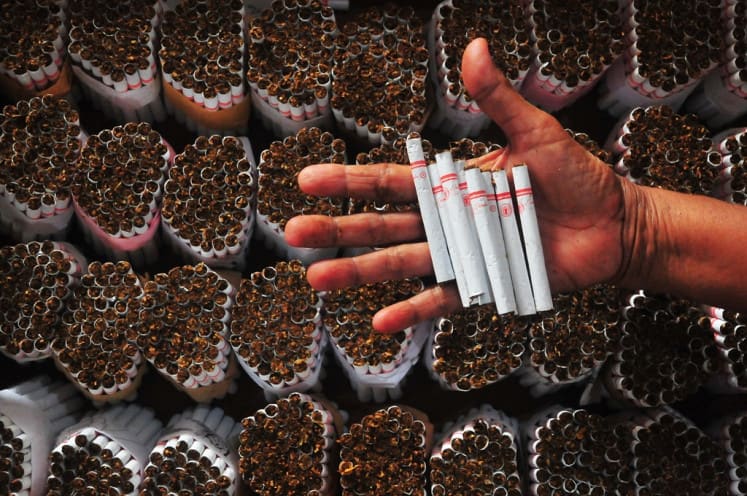
- ·Indonesia implemented comprehensive tobacco regulations Sunday covering packaging, tar and nicotine limits, and additives after two years of regulatory uncertainty.
- ·Tobacco manufacturers are protesting the lack of advance clarity and insufficient transition time to adjust production and clear inventory.
- ·The rules place Indonesia closer to regional peers like Singapore and Thailand in tobacco control, though enforcement approach will determine actual impact.
Regulations Land After Extended Silence
Indonesia's tobacco manufacturers are pushing back against a comprehensive regulatory overhaul that came into force Sunday, covering product formulation, packaging standards, and chemical additives. The rules arrived after two years of regulatory limbo during which the government provided little guidance on compliance requirements or implementation timelines.
The new framework establishes controls across multiple dimensions of tobacco production, including maximum tar and nicotine thresholds, restrictions on flavor additives, and mandatory changes to product packaging. Industry representatives say the lack of advance notice has left companies with insufficient time to adjust manufacturing processes and clear existing inventory.
A Market Under Pressure
Indonesia represents one of Asia's largest tobacco markets, with consumption patterns that have long concerned public health advocates. The country's smoking rate remains among the highest in the region, and tobacco products account for a significant share of excise revenue flowing into Jakarta's treasury.
The timing of the regulatory rollout has drawn particular criticism. Companies argue that two years of uncertainty followed by an abrupt implementation deadline creates operational chaos, forcing producers to make costly adjustments without adequate preparation. Packaging redesigns alone require lead times that extend beyond the notice period provided.
The regulations also arrive as Indonesia navigates broader questions about balancing public health objectives with the economic footprint of an industry that employs hundreds of thousands across cultivation, manufacturing, and distribution. The sector's contribution to government coffers through excise taxes adds another layer of complexity to policy decisions.
Regional Context
The move places Indonesia alongside other Southeast Asian governments that have tightened tobacco controls in recent years, though implementation approaches vary widely. Singapore has pursued aggressive plain packaging and display bans, while Thailand has raised taxes and restricted marketing. The Philippines introduced graphic health warnings and higher excise rates as part of its Universal Health Care financing strategy.
Indonesia's regulatory structure differs from these neighbors in key respects. The country has historically taken a more measured approach to tobacco control, reflecting both the industry's economic importance and cultural factors around consumption. Sunday's regulations represent a more assertive stance, though the implementation timeline has undermined their effectiveness in the eyes of both industry and health advocates.
Trade associations representing tobacco manufacturers have called for延期 延期 a transition period that would allow companies to comply without disrupting supply chains or forcing premature write-offs of inventory. The government has not indicated willingness to postpone enforcement.
What Comes Next
The regulatory landscape for tobacco in Indonesia now enters a period of adjustment as manufacturers work to meet the new standards. Compliance costs will likely flow through to pricing, though the extent remains unclear given competitive dynamics and consumer price sensitivity.
International tobacco companies with Indonesian operations face the additional challenge of aligning local production with global corporate policies on product standards and regulatory engagement. Several multinationals have committed to harm reduction strategies that include transitioning consumers toward alternative nicotine products, but Indonesia's regulatory framework for those categories remains underdeveloped.
The government's approach to enforcement will determine whether the regulations achieve their intended public health outcomes or simply create friction without materially changing consumption patterns. Effective implementation requires monitoring capacity and political will that extend beyond the initial announcement.
For an industry accustomed to operating with relatively light regulatory oversight, the new rules signal a shift in Jakarta's calculus around tobacco policy. Whether that shift proves durable will depend on how the government balances competing pressures in the months ahead.
RELATED STORIES
Greater Jakarta's Air Quality Crisis Exposes Regional Coordination Gap
Siti Nuraini · 3 min

Indonesia Charges Toba Pulp Lestari in $113 Million Tax Fraud Probe
Siti Nuraini · 3 min

Indonesia's Instant Noodle Consumption Falls for First Time in Five Years
Priyanka V. Rao · 3 min

Indonesian Investment Climbs as Trade War Reshapes Asian Capital Flows
Siti Nuraini · 5 min
Spot something wrong? Email editor@briefasia.com. We log every correction publicly.