Asia · Politics
Indonesia Tightens Grip on Regional Transfer Funds as Cash Complaints Rise
Finance Minister Purbaya Yudhi Sadewa will verify bank balances before releasing additional funds, citing past cases where regions claimed shortfalls while holding idle cash.
KEY TAKEAWAYS
- ·Indonesia's Finance Ministry will verify regional bank balances before releasing additional revenue-sharing funds, after transfers dropped 11.2 percent year-on-year to Rp 357.4 trillion by end-June.
- ·Finance Minister Purbaya Yudhi Sadewa cited past incidents where regions claimed funding shortfalls while holding idle cash in commercial bank accounts.
- ·Any supplemental disbursement requires approval from President Prabowo Subianto and coordination with the Home Ministry, with no timeline or total amount disclosed.
Verification Before Disbursement
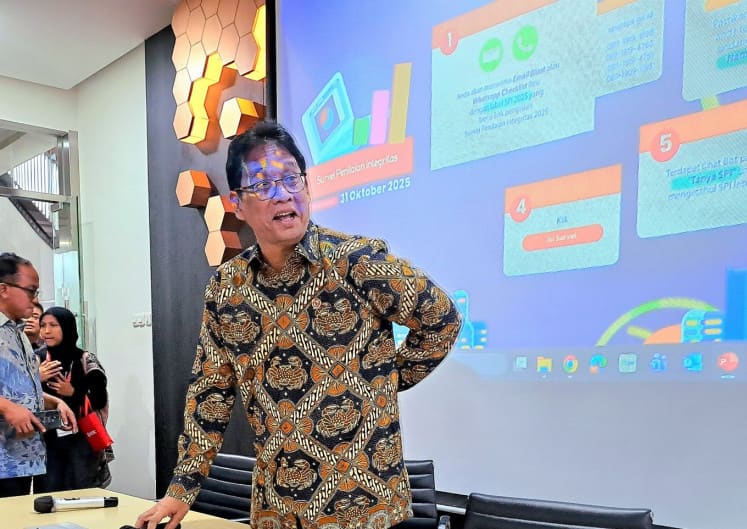
Indonesia's Finance Minister Purbaya Yudhi Sadewa announced that the central government will scrutinize regional bank accounts before releasing any additional transfer funds, despite mounting pressure from local administrations reporting cash shortages. The move follows earlier incidents where provincial and district governments claimed funding gaps while maintaining substantial deposits in commercial banks.
Purbaya told reporters on Tuesday that his ministry is cross-checking actual liquidity positions against requests for supplemental revenue-sharing funds, known as DBH. "We are checking which regions actually do not have money. We are looking at how much money they have in the banks and whether it is being used," the minister said.
The Finance Ministry has not disclosed the total value of additional transfers under consideration. Any disbursement will require sign-off from President Prabowo Subianto and coordination with the Home Ministry, Purbaya added.
Sharp Decline in Regional Allocations
Regional transfers fell to Rp 357.4 trillion (US$20 billion) by June 30, down 11.2 percent from Rp 402.5 trillion in the same period last year, according to Finance Ministry data. The drop has triggered complaints from governors and district heads, particularly in resource-dependent provinces that rely on revenue-sharing arrangements tied to extractive industries.
Revenue-sharing funds represent a portion of taxes and natural resource royalties collected by the central government and redistributed to producing regions. Fluctuations in commodity prices, export volumes, and tax collection directly affect the size of these transfers, creating cash-flow volatility for subnational budgets.
The sharp year-on-year contraction comes as Indonesia posted its first trade deficit in six years, pressuring central government revenues and tightening fiscal space for discretionary spending.
Precedent of Idle Funds
Purbaya's caution stems from previous episodes where regional governments requested emergency funding while holding unspent balances. The Finance Ministry has not named specific provinces or disclosed the scale of past misallocations, but officials privately cite cases where transferred funds sat dormant in regional treasury accounts rather than being deployed for public services or infrastructure.
The verification process now includes real-time monitoring of regional bank balances, cross-referenced with budget execution rates and procurement records. Regions demonstrating genuine liquidity constraints will receive priority, while those with adequate reserves will be denied supplemental allocations.
Political Coordination Required
Any decision to release additional funds involves multiple approval layers. Presidential authorization adds a political dimension to what is nominally a technical budget matter, reflecting heightened scrutiny of fiscal discipline under the Prabowo administration.
The Home Ministry's involvement ensures that disbursement criteria align with broader decentralization policy and regional governance standards. This inter-agency coordination slows the approval process but reduces the risk of funds flowing to regions with weak absorption capacity or governance issues.
Regional leaders have argued that delayed or reduced transfers force them to scale back essential services, delay salary payments, or suspend infrastructure projects. However, the Finance Ministry maintains that selective disbursement protects taxpayer resources and incentivizes efficient budget execution at the subnational level.
Fiscal Pressure Across Tiers
The tightening of regional transfer policy reflects broader fiscal constraints facing Jakarta. Lower commodity prices, weaker export performance, and subdued tax revenue growth have compressed the central government's ability to maintain transfer levels seen in previous years.
Indonesia's decentralized fiscal architecture channels roughly one-third of central government spending to provinces and districts, making regional transfers a significant budget line item. Adjustments to these allocations ripple through subnational economies, affecting everything from teacher salaries to road maintenance.
The Finance Ministry's stance signals a shift toward more conditional and performance-linked transfers, moving away from automatic disbursements based solely on formula allocations. This approach aligns with broader efforts to improve public spending efficiency and accountability across government tiers.
Regions that can demonstrate transparent budget execution and genuine cash shortfalls are likely to secure additional funds in the coming weeks, while those unable to justify their requests may face prolonged delays. The verification process is ongoing, with no timeline announced for final disbursement decisions.
RELATED STORIES
Greater Jakarta's Air Quality Crisis Exposes Regional Coordination Gap
Siti Nuraini · 3 min

Indonesia Charges Toba Pulp Lestari in $113 Million Tax Fraud Probe
Siti Nuraini · 3 min
Indonesia Faces Critical Choice Between Resource Control and Industrial Growth
Tran Quoc Bao · 3 min

Indonesia Unveils Bid to Become Global Commodity Price-Setter
Priyanka V. Rao · 3 min
Spot something wrong? Email editor@briefasia.com. We log every correction publicly.