Asia · Politics
Indonesia Launches Nationwide Crackdown on Subsidized Fuel Misuse Amid Regional Shortages
Seven provinces report fuel scarcity as authorities target hoarding and illegal distribution of state-subsidized petroleum products
KEY TAKEAWAYS
- ·Indonesia has launched a nationwide crackdown on subsidized fuel misuse after seven provinces reported persistent shortages over recent months.
- ·Affected regions span Aceh, North Sumatra, Bangka Belitung Islands, East Nusa Tenggara, South Sumatra, East Kalimantan, and South Sulawesi.
- ·Authorities are targeting hoarding and diversion of state-subsidized petroleum products into unauthorized channels to restore supply and reduce fiscal leakage.
Enforcement Operation Targets Distribution Failures
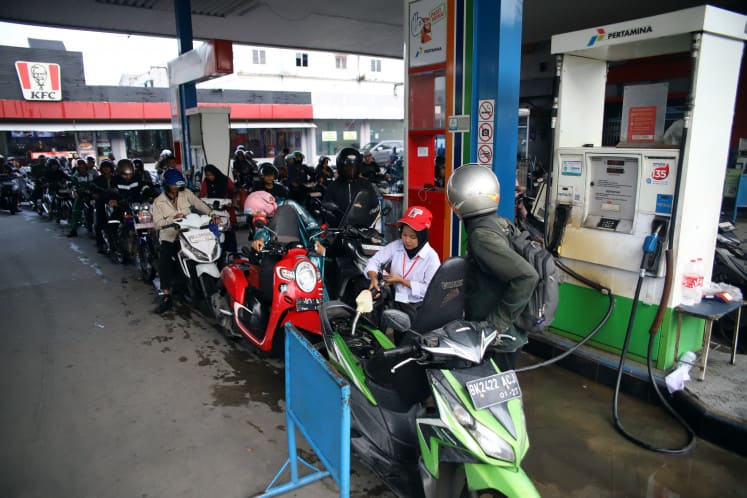
Indonesian authorities have initiated a nationwide crackdown targeting the misuse and hoarding of subsidized fuel following months of scarcity across seven provinces. The enforcement action comes as Aceh, North Sumatra, Bangka Belitung Islands, East Nusa Tenggara, South Sumatra, East Kalimantan, and South Sulawesi have all reported persistent fuel shortages that have disrupted transport and commerce.
The operation focuses on entities diverting subsidized petroleum products intended for eligible consumers into unauthorized channels, a practice that has drained official supply chains while creating parallel markets. Authorities are examining distribution networks, storage facilities, and retail points to identify where state-subsidized fuel is being siphoned away from its intended recipients.
Geographic Spread Reveals Systemic Pressure
The seven affected provinces span Indonesia's vast archipelago, from the western tip of Aceh to the eastern reaches of East Nusa Tenggara and the resource-rich territories of Kalimantan and Sulawesi. This geographic breadth suggests the shortages stem from structural issues rather than isolated logistical failures.
Bangka Belitung Islands and South Sumatra, both critical nodes in Indonesia's commodity export corridors, face particular pressure as mining and plantation operations compete with civilian demand. East Kalimantan, home to coal mining and palm oil production, has seen fuel scarcity disrupt both industrial activity and daily transportation.
The shortages have been building over recent months, with reports emerging as early as mid-2026. Local governments in affected regions have scrambled to secure emergency supplies, while consumers have faced long queues at filling stations and intermittent closures.
Subsidy System Under Strain
Indonesia's fuel subsidy program aims to keep prices affordable for citizens and small businesses by absorbing the difference between market rates and retail costs. However, the system has long been vulnerable to exploitation. Subsidized fuel, sold at below-market prices, becomes a target for diversion into industrial use, export, or resale at higher rates.
The current enforcement push seeks to close these leakage points by auditing registered users, tracking volumes, and imposing penalties on violators. Authorities are working with state energy company Pertamina to tighten distribution controls and verify that subsidized products reach eligible end users.
The crackdown also reflects broader fiscal concerns. Indonesia's energy subsidy bill has ballooned in recent years as global oil prices fluctuated and domestic consumption grew. Misuse of subsidized fuel compounds the fiscal burden, forcing the government to either expand subsidy allocations or accept supply shortages.
Regional Economic Impact
Fuel shortages in resource-dependent provinces carry immediate economic consequences. In East Kalimantan and South Sumatra, mining and agriculture sectors rely on diesel for transport and machinery. Scarcity drives up operational costs, delays shipments, and reduces output.
Tourism-dependent regions like East Nusa Tenggara face disruptions to inter-island ferry services and ground transport, affecting visitor flows and local livelihoods. Aceh and North Sumatra, with their dense agricultural hinterlands, have seen farmers struggle to operate machinery and transport produce to markets.
The shortages also strain household budgets as consumers turn to higher-priced alternatives or curtail travel. Small transport operators, already operating on thin margins, face existential pressure when fuel becomes unavailable or prohibitively expensive.
Next Steps and Broader Reform Questions
The immediate crackdown aims to restore supply by removing bad actors and tightening oversight. However, enforcement alone may not address the underlying fragility of Indonesia's fuel distribution system. The archipelago's geography complicates logistics, and infrastructure bottlenecks persist in outer provinces.
Longer-term solutions may require revisiting subsidy design, expanding refining capacity, and investing in distribution infrastructure. The government has signaled interest in phasing out blanket subsidies in favor of targeted assistance, but political resistance remains strong given the program's popularity.
For now, the seven provinces remain under close watch as authorities work to stabilize supplies and prosecute violators. The outcome of this crackdown will signal whether Indonesia can secure its energy distribution ahead of the next demand surge.
RELATED STORIES

Indonesia Charges Toba Pulp Lestari in $113 Million Tax Fraud Probe
Siti Nuraini · 3 min

Indonesia's Instant Noodle Consumption Falls for First Time in Five Years
Priyanka V. Rao · 3 min
Indonesia Faces Critical Choice Between Resource Control and Industrial Growth
Tran Quoc Bao · 3 min
Indonesia's Wildfires Push Air Quality to World's Worst Levels
Siti Nuraini · 2 min
Spot something wrong? Email editor@briefasia.com. We log every correction publicly.