Asia · Politics
Indonesia's National Nutrition Agency Faces Leadership Crisis Amid Corruption Concerns
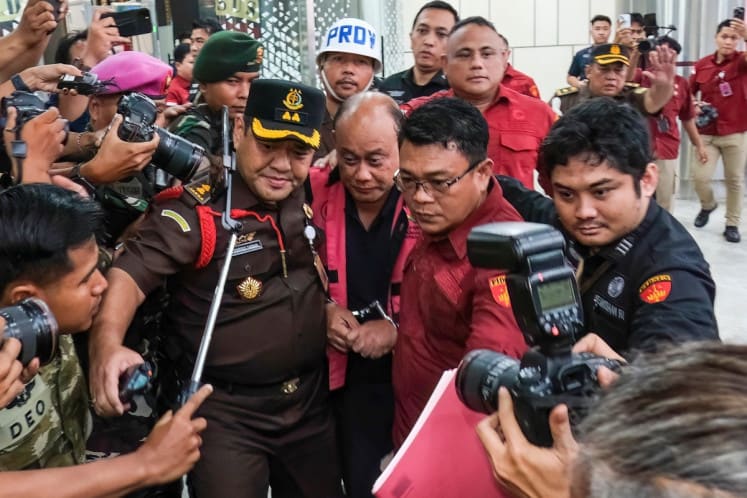
Three leadership changes in under two months raise questions about governance as agency prepares to deliver meals to 90 million children
KEY TAKEAWAYS
- ·Indonesia's National Nutrition Agency has replaced its director three times in less than two months as it prepares to deliver meals to 90 million children under President Prabowo's flagship program.
- ·The leadership instability exposes governance weaknesses in procurement transparency and raises risks of corruption in a multibillion-dollar social initiative.
- ·Stabilizing the agency will require transparent procurement rules, independent oversight, and protection from political interference to ensure program credibility and effectiveness.
Rapid Turnover at the Top
Indonesia's National Nutrition Agency (BGN) has replaced its leadership three times in under two months, a revolving door that threatens the credibility of President Prabowo Subianto's signature Free Nutritious Meal (MBG) program. The agency is responsible for delivering meals to nearly 90 million children across the archipelago, a logistical and financial undertaking that requires institutional stability and transparent governance.
The repeated leadership changes signal deeper problems within an organization that must scale rapidly to meet national expectations. When an agency responsible for a multibillion-dollar social program cannot maintain consistent leadership during its formative months, it raises immediate concerns about internal cohesion, accountability mechanisms, and the ability to resist external political pressures.
The Stakes of the MBG Program
The Free Nutritious Meal program represents one of the most ambitious social welfare initiatives in Southeast Asia. Designed to address chronic malnutrition among Indonesian children, the program requires coordinating procurement, distribution, and quality control across thousands of schools and communities in a country spanning more than 17,000 islands.
The scale alone demands robust institutional frameworks. Any weakness in procurement oversight or leadership continuity creates openings for corruption, inflated contracts, and substandard delivery. The BGN's early instability suggests those frameworks are not yet in place.
Governance Gaps in Procurement
Procurement processes within the BGN have come under scrutiny for lacking transparency. Large-scale food programs are historically vulnerable to graft, particularly when contracts are awarded without competitive bidding or independent oversight. The agency's inability to establish clear, auditable procurement channels before launching operations increases the risk of funds being diverted or quality being compromised.
Effective governance in social programs of this magnitude requires independent audits, public disclosure of supplier contracts, and mechanisms for community feedback. Without these safeguards, the program risks becoming a vehicle for patronage rather than a tool for public health.
Political Interference and Institutional Fragility
Leadership churn at the BGN also points to potential political interference. When appointments are made and reversed in rapid succession, it often reflects competing interests within government or a lack of clear authority over the agency's direction. This fragility undermines the agency's ability to build institutional memory, negotiate with suppliers, or enforce standards consistently.
For a program tied directly to the president's political legacy, the temptation to prioritize speed over process is significant. Yet rushing implementation without addressing governance weaknesses can backfire, turning a flagship initiative into a liability.
What Needs to Happen Next
Stabilizing the BGN will require more than appointing a fourth director. The agency needs a clear governance charter, transparent procurement rules, and independent oversight from civil society or third-party auditors. It also needs protection from short-term political pressures that prioritize optics over outcomes.
Indonesia has experience with large-scale social programs, including cash transfers and health insurance schemes that have achieved meaningful reach. The lessons from those programs, particularly around procurement transparency and local accountability, should inform the BGN's next steps.
The success of the Free Nutritious Meal program will ultimately depend on whether the government can build an institution capable of resisting corruption and political capture. Leadership stability is just the first test. The harder work lies in creating systems that outlast any single appointment.
RELATED STORIES
Indonesia's Education Bill Revision Could Reopen Funding Door for Free Meals Program
Siti Nuraini · 3 min

Indonesia Car Sales Jump 34% as Electric Vehicles Reshape Southeast Asia's Auto Market
Siti Nuraini · 3 min

Indonesia's Growth Numbers Hide Shrinking Savings and Rising Household Debt
Priyanka V. Rao · 4 min
Brazil's JBS Commits $2.5 Billion to Indonesia Protein Venture With Danantara
Priyanka V. Rao · 5 min
Spot something wrong? Email editor@briefasia.com. We log every correction publicly.