Asia · Trending
Indonesia's Free Meal Program Leaves Rural Kitchen Investors Trapped in Debt
A government nutrition initiative launched in 2025 has collapsed under governance failures and supply chain breakdowns, leaving investors stranded with unpaid obligations in the tens of millions of dollars.
KEY TAKEAWAYS
- ·Private kitchen operators in Indonesia's 2025 free meal program now face tens of millions of dollars in unpaid debts after government reimbursements failed to materialize.
- ·The initiative collapsed due to governance failures, supply chain breakdowns, budget cuts, and mass food poisoning incidents that left facilities idle and children unfed.
- ·The fallout has damaged trust in public-private partnerships and may deter future rural investment in Indonesia's food security sector.
A Promise That Turned Sour
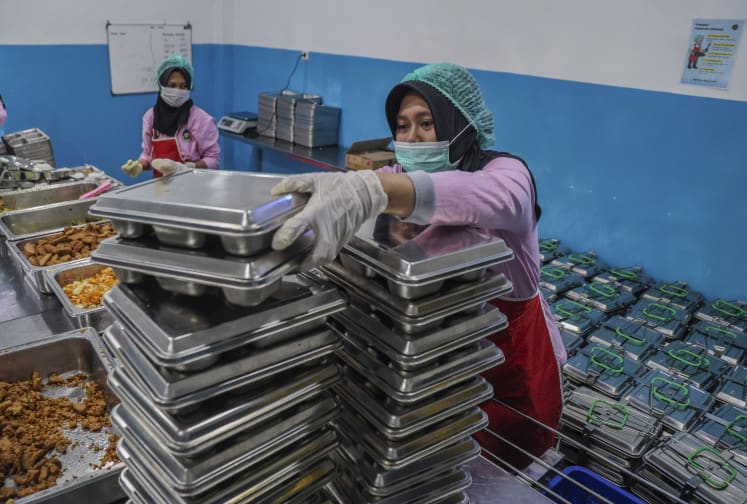
Kitchen operators across rural Indonesia are grappling with unpaid debts totaling tens of millions of dollars after a government-backed free meal program collapsed under the weight of mismanagement and operational failures. The initiative, launched in 2025 to provide nutrition to schoolchildren in remote areas, promised steady revenue streams for small-scale food entrepreneurs willing to invest in infrastructure and staffing. Instead, many now face financial ruin.
The program recruited private investors to build and operate community kitchens that would prepare subsidized meals for distribution to schools and feeding centers. Participants were required to front capital for equipment, facilities, and initial inventory, with the expectation of regular reimbursement from government funds. Those payments have largely failed to materialize, leaving operators strapped with supplier bills, lease obligations, and payroll commitments they cannot meet.
Systemic Failures Across the Chain
The meal program has been beset by problems since its inception. Governance structures proved inadequate to coordinate operations across Indonesia's sprawling archipelago, where logistics are notoriously complex. Supply chains broke down repeatedly, with ingredients failing to reach kitchens on time or arriving spoiled. In several provinces, mass food poisoning incidents forced temporary shutdowns and triggered investigations into procurement and food safety protocols.
Budget cuts compounded the crisis. Midway through the program's first year, central government allocations were reduced without clear communication to kitchen operators, who continued preparing meals under the assumption that payments would eventually come through. By early 2026, many facilities had gone idle, unable to purchase ingredients or pay staff. Children in targeted communities returned to going without the promised daily nutrition.
Investors Left Holding Empty Promises
The financial toll on individual investors has been severe. Many operators borrowed against personal assets or took loans from local cooperatives to meet the program's entry requirements. With revenue streams cut off, they now face creditor demands with no clear path to recovery. Some have been forced to sell equipment at a loss or abandon leased facilities entirely, forfeiting deposits and accruing penalties.
The program's collapse has also damaged trust in public-private partnerships within Indonesia's food security sector. Rural entrepreneurs who saw the initiative as a chance to build sustainable businesses while serving their communities now view government collaboration with deep skepticism. Industry observers note that the fallout may deter future participation in similar programs, complicating efforts to address malnutrition in underserved regions.
No Clear Path Forward
Government officials have acknowledged the program's struggles but have not announced a comprehensive plan to reimburse stranded investors or restart operations. Local administrators in affected districts report receiving conflicting guidance from Jakarta, with some told to wind down activities while others are instructed to continue in anticipation of renewed funding. The uncertainty has left kitchen operators in limbo, unable to exit cleanly or resume business.
The free meal initiative was positioned as a flagship social program, intended to demonstrate the government's commitment to reducing child malnutrition and stimulating rural economies. Its failure raises broader questions about the capacity of Indonesia's bureaucracy to manage large-scale, decentralized service delivery. For the investors caught in the wreckage, however, the immediate concern remains simpler: how to settle debts incurred in good faith on a promise the state could not keep.
RELATED STORIES
Indonesia's Free Meal Program Leaves Rural Kitchen Operators Trapped in Debt
Siti Nuraini · 3 min
Indonesia Nominates Destry Damayanti as First Female Central Bank Chief
Priyanka V. Rao · 3 min
South Sumatra Police Uncover 1.4 Million Liters in Fuel Diversion Scheme
Siti Nuraini · 3 min
Indonesia Freezes Aid to 1.5 Million Families Over Gambling Flags
Siti Nuraini · 3 min
Spot something wrong? Email editor@briefasia.com. We log every correction publicly.