Technology · Dev
India's Semiconductor Push Extends to Supply Chains and Advanced Manufacturing
After securing fab commitments, the country now faces the harder work of building yields, materials infrastructure, and technical expertise to compete globally.
KEY TAKEAWAYS
- ·India is moving beyond attracting chip fabs to address wafer yields, materials infrastructure, equipment access, and workforce development across its semiconductor ecosystem.
- ·The country faces dependencies on foreign suppliers for semiconductor-grade materials, precision equipment, and rare earth elements, with domestic capacity still minimal.
- ·India is targeting compound semiconductors, advanced packaging, and specialized chips as entry points that avoid direct competition with leading-edge logic fabs in Taiwan and Korea.
The Next Phase
India's semiconductor ambitions are no longer just about landing factories. After years of incentives and policy announcements aimed at drawing fabrication plants and assembly operations, the focus is shifting to what happens after the ribbon-cutting ceremonies end. The country now confronts a more complex set of challenges: achieving competitive wafer yields, building out materials and equipment supply chains, developing workforce capabilities, and positioning itself in emerging chip technologies.
The transition marks a maturation of India's strategy, one that acknowledges the difference between announcing investments and operating at scale. Fabs require more than land and subsidies. They need precision materials, reliable equipment flows, skilled technicians who can troubleshoot cleanroom processes, and regulatory environments that support high-volume manufacturing.
Yield and Workforce Realities
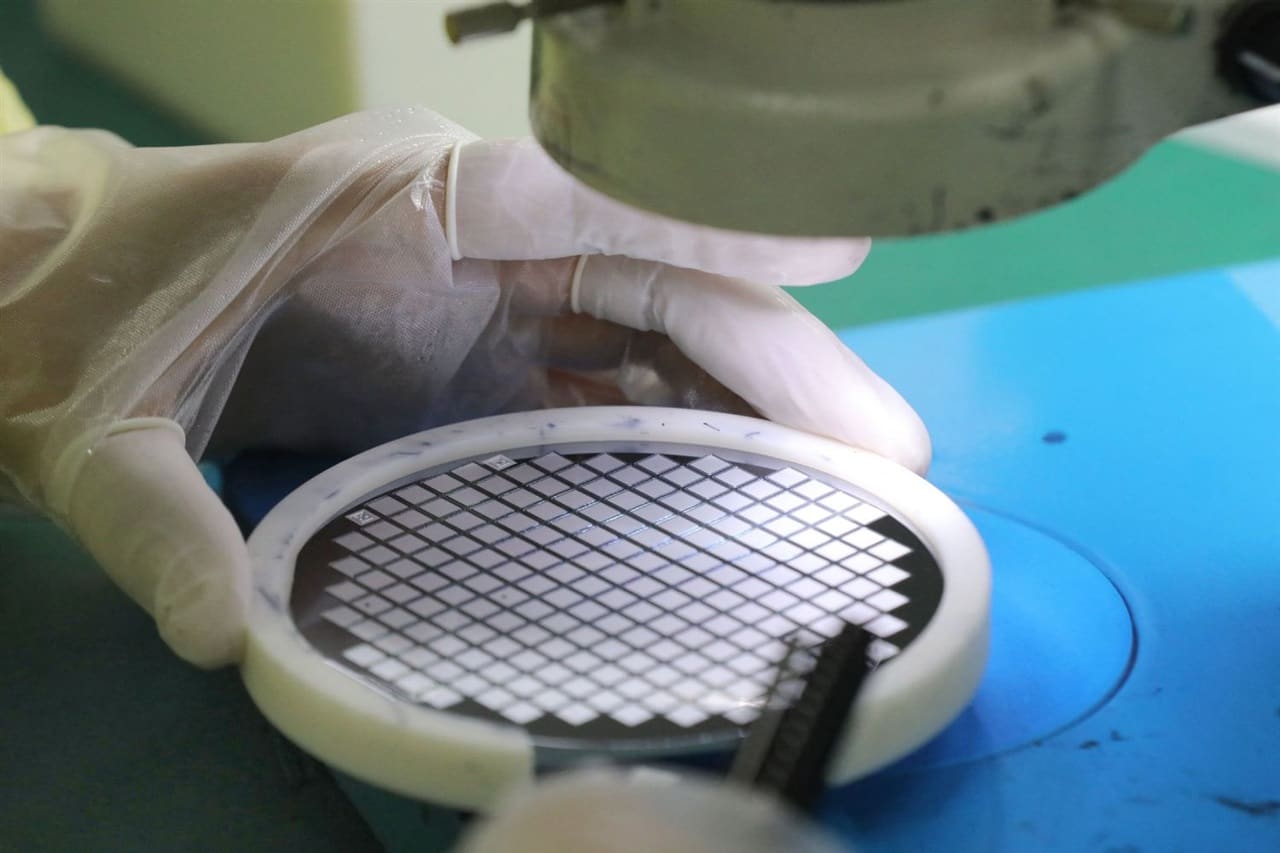
Wafer yield, the percentage of functional chips produced from each silicon wafer, is the quiet metric that determines whether a fab is profitable or a sinkhole. India's nascent semiconductor ecosystem faces the same learning curve that Taiwan, South Korea, and China navigated over decades. Early-stage fabs typically struggle with contamination, process variation, and equipment calibration. Each percentage point of yield improvement translates directly to unit economics.
Labor regulations and workforce development are equally critical. Semiconductor manufacturing operates on shift schedules that run 24 hours, with cleanroom protocols that demand discipline and technical fluency. India's labor laws, which vary by state and often favor flexibility over the rigid shift structures fabs require, are being tested. Some states have introduced carve-outs for semiconductor plants, but implementation remains uneven.
Training programs are expanding, but the gap between classroom knowledge and cleanroom competence is wide. Partnerships with established chipmakers and equipment vendors are accelerating the learning process, yet India still lacks the deep bench of process engineers and technicians that underpin semiconductor hubs elsewhere in Asia.
Materials, Equipment, and Rare Earths
Semiconductor production depends on a web of specialized inputs: photoresists, deposition gases, polishing slurries, silicon wafers, and precision equipment. Most of these are controlled by a handful of suppliers in Japan, the United States, and Europe. India is working to secure reliable access, but it starts from a low base. Domestic production of semiconductor-grade materials is minimal, and logistics infrastructure for handling sensitive chemicals and components is still developing.
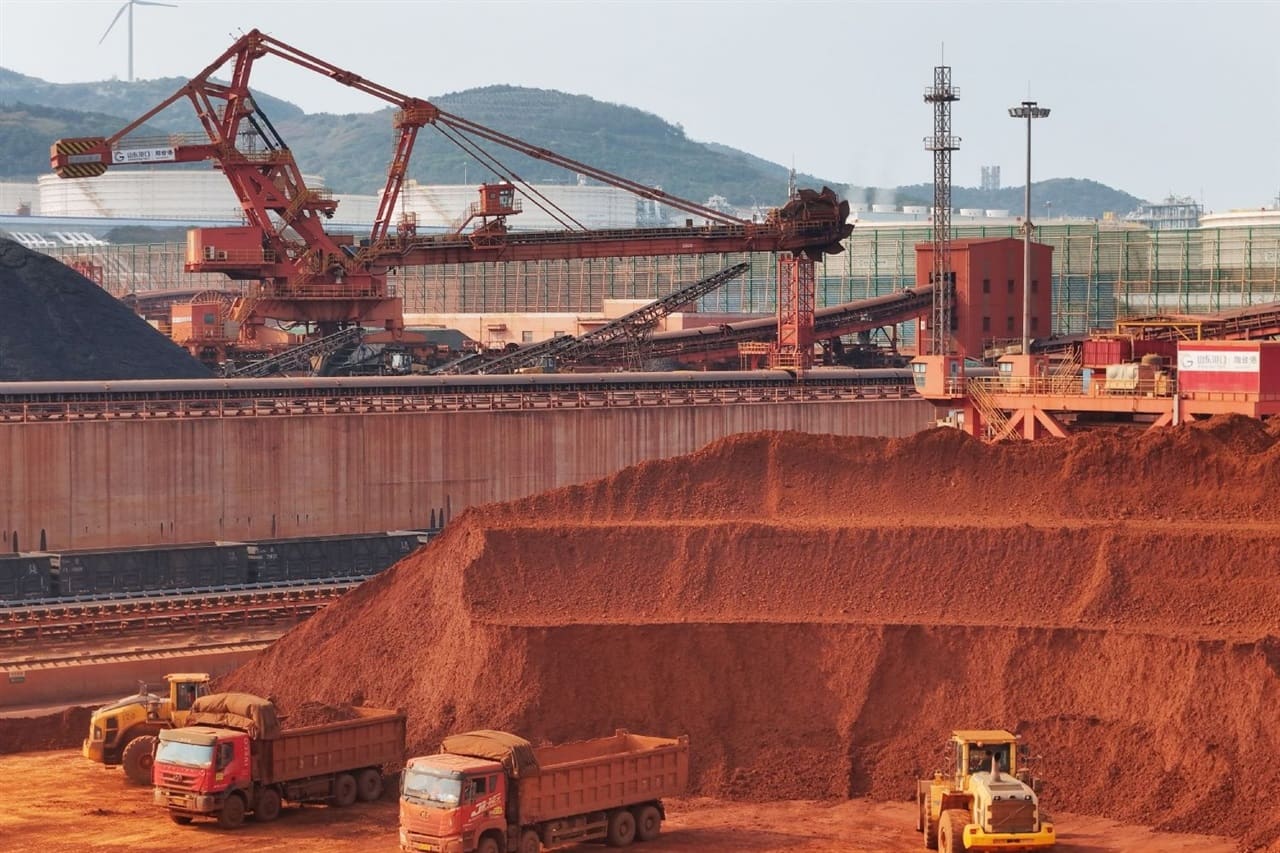
Rare earth elements, critical for advanced electronics and magnets used in semiconductor manufacturing equipment, present another dependency. China dominates global rare earth refining, a strategic vulnerability India shares with the rest of the world. Efforts to develop domestic rare earth processing capacity are underway, but the capital intensity and environmental complexity of refining make this a long-term project.
Equipment supply chains are similarly concentrated. Lithography tools, deposition systems, and inspection equipment come from a small group of vendors, many of whom prioritize established customers with proven track records. India's fabs will need to demonstrate operational maturity before they can command the same equipment allocation as plants in Taiwan or Arizona.
Emerging Technologies and Strategic Positioning
India is also staking a claim in compound semiconductors, advanced packaging, and specialized chips for automotive and industrial applications. These segments offer entry points that do not require competing head-on with the leading-edge logic fabs of Taiwan Semiconductor Manufacturing Company or Samsung. Gallium nitride and silicon carbide devices, used in power electronics and electric vehicles, are areas where India sees opportunity.
Advanced packaging, which involves stacking and interconnecting chips to improve performance and reduce size, is another focus. The technology is less capital-intensive than cutting-edge lithography but still requires precision and materials expertise. India's electronics manufacturing base, built on mobile phone assembly and IT hardware, provides some foundation, though the leap to semiconductor packaging is significant.
The country's software strength, particularly in chip design and electronic design automation, remains an underutilized asset. India houses design centers for nearly every major semiconductor company, but most of that work is services-based rather than product-driven. Translating design talent into domestically developed chip products, particularly for AI inference and edge computing, is a strategic ambition that has yet to materialize at scale.
Regional Context and Competition
India's semiconductor push unfolds against the backdrop of Asia's established chip powers and China's aggressive subsidies. Taiwan and South Korea command the high end of logic and memory production. China, despite U.S. export controls, continues to pour capital into self-sufficiency. Southeast Asian nations like Vietnam and Malaysia are expanding assembly and test operations, competing for the same multinational investments India seeks.
India's advantage lies in its scale, its engineering talent pool, and its position as a hedge against geopolitical concentration in East Asia. But advantages on paper require execution on the ground. The gap between policy intent and operational reality is where India's semiconductor strategy will either prove durable or falter.
For now, the country is moving methodically through the checklist that separates aspiration from capability. The next few years will reveal whether India can translate factory announcements into consistent output, and whether its supply chain and workforce investments can support a sustainable position in the global semiconductor map.
RELATED STORIES

India's Semiconductor Fabs Face Critical Yield Challenge as Production Begins
Priyanka V. Rao · 4 min

India Ties Chip Expansion, AI Training, and Export Push to 2047 Self-Reliance Goal
Priyanka V. Rao · 3 min

India's Electronics Push Faces Water Scarcity and Visa Friction
Priyanka V. Rao · 3 min
India Receives 20 Bids to Build Rare Earth Magnet Production Capacity
Rajesh K. Iyer · 3 min
Spot something wrong? Email editor@briefasia.com. We log every correction publicly.