Technology · Products
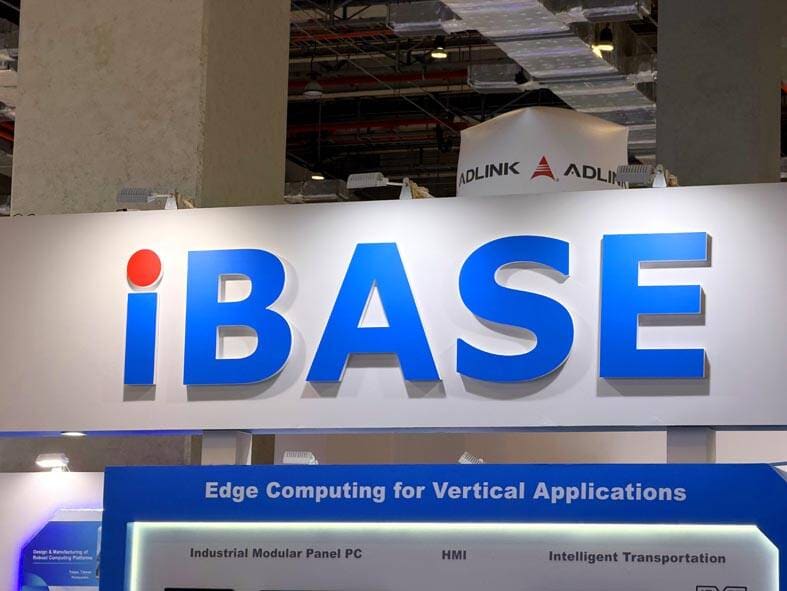
IBASE Bets on Networking and Edge AI to Drive Second-Half Growth
Taiwan's industrial PC maker anticipates revenue will exceed first-half performance, supported by secured component inventory and expanding robotics partnerships.
KEY TAKEAWAYS
- ·IBASE Technology projects second-half 2026 revenue above NT$3.37 billion, with networking products contributing over half of first-half sales at 51.62 percent.
- ·The company secured CPU and memory inventory in 2025 to cover existing orders through mid-2027 amid ongoing component shortages in the industrial PC sector.
- ·IBASE will begin providing robotics computing platform samples for customer validation in Q4 2026, though most projects remain in proof-of-concept stages.
Revenue Outlook Tied to Networking Strength
IBASE Technology, a Taiwan-based industrial PC manufacturer, projects second-half 2026 revenue will exceed the NT$3.37 billion ($104.1 million) generated in the first six months, according to executive vice president Brian Shang. The company attributes its optimism to sustained demand for networking products, which represented 51.62 percent of total revenue during the first half.
The firm plans to deepen relationships with original design manufacturers and major clients to capture additional business in the networking segment. IBASE also expects higher product prices to contribute to revenue growth, though Shang did not specify pricing increases or margin targets.
Edge AI Portfolio Expansion
Over the past two years, IBASE has broadened its edge AI hardware offerings despite limited revenue contribution from the segment to date. The company collaborates with Intel, AMD, Nvidia, Qualcomm, MediaTek, NXP Semiconductors, and Texas Instruments to develop computing systems for edge applications.
IBASE sees opportunity in smart factories, autonomous mobile robots, healthcare facilities, and retail environments. Industry projections estimate the edge AI market will grow 20 to 30 percent annually through 2033, Shang said, though he did not cite specific research sources for these figures.
The company supplies computing platforms for humanoid and smart robots, working with ecosystem partners to integrate AI software, navigation systems, and sensors. IBASE recently achieved AMD Golden Partner status and joined AMD's robotics platform as a hardware partner.
Robotics Platform Timeline
IBASE anticipates providing samples for customer validation in the fourth quarter of 2026, though most robotics projects remain in proof-of-concept stages. The company did not disclose names of potential customers or target industries for these computing platforms.
The timeline suggests commercial deployments are unlikely before 2027, as validation processes typically extend several months beyond initial sampling. IBASE's strategy centers on positioning itself as a core hardware provider while partners handle software and sensor integration.
Component Supply Strategy
CPU and memory chip shortages continue to constrain the broader industrial PC sector, but IBASE secured sufficient inventory in 2025 after anticipating price increases. The company's stockpile should cover existing customer orders through the first half of 2027, Shang said.
For new projects facing component shortages, IBASE plans to source CPUs from spot markets or assist customers in migrating to newer platforms. Shang characterized overall supply risks as manageable, though spot market pricing typically carries premiums that could pressure margins.
The inventory strategy reflects lessons from recent semiconductor cycles, when companies that failed to secure advance commitments faced extended lead times and higher costs. IBASE's ability to maintain pricing power while drawing on pre-purchased inventory may provide a competitive advantage if component markets remain tight.
Asia Industrial PC Landscape
Taiwan's industrial PC sector has benefited from broader technology infrastructure buildouts across Asia, particularly in manufacturing hubs adopting automation and edge computing. IBASE competes with domestic players including Advantech and Axiomtek, as well as international suppliers serving similar markets.
The company's networking focus aligns with regional demand for 5G infrastructure, smart city deployments, and factory automation projects in markets from Vietnam to India. Edge AI adoption remains early-stage but represents a growth vector as enterprises seek to process data locally rather than routing everything to cloud platforms.
IBASE's partnerships with major chipmakers provide access to reference designs and early-stage roadmaps, critical advantages in a sector where hardware must align with rapidly evolving AI accelerator architectures. Whether the company can translate these partnerships into meaningful edge AI revenue remains the key question for investors evaluating its second-half outlook.
RELATED STORIES

Taiwan's Neousys Bets on Edge AI Expansion Across Defense and Manufacturing
Cheng Wei-Lun · 3 min
Taiwan's Vecow Sees Western Markets Drive Robotics Push
Cheng Wei-Lun · 3 min
Hon Hai Posts Record August Revenue on AI Server Demand
Jun-ho Seo · 3 min

Integrated Systems Will Drive Next Wave of AI Growth, Says TSMC
Cheng Wei-Lun · 4 min
Spot something wrong? Email editor@briefasia.com. We log every correction publicly.