Asia · Business
Hyundai Steel Courts European Clients With Carbon-Compliant Automotive Materials
South Korean steelmaker uses rally event to demonstrate readiness for EU's new carbon border rules and revised tariff quotas
KEY TAKEAWAYS
- ·Hyundai Steel hosted European automotive customers at the World Rally Championship Greece Rally to demonstrate low-carbon steel technologies and CBAM compliance capabilities.
- ·The EU's Carbon Border Adjustment Mechanism and revised steel tariff-rate quotas both took effect this month, reshaping import economics for Asian steelmakers.
- ·South Korean steel suppliers are positioning regulatory alignment and carbon transparency as competitive advantages amid pressure on European automakers to reduce supply chain emissions.
Motorsport Meets Materials Science
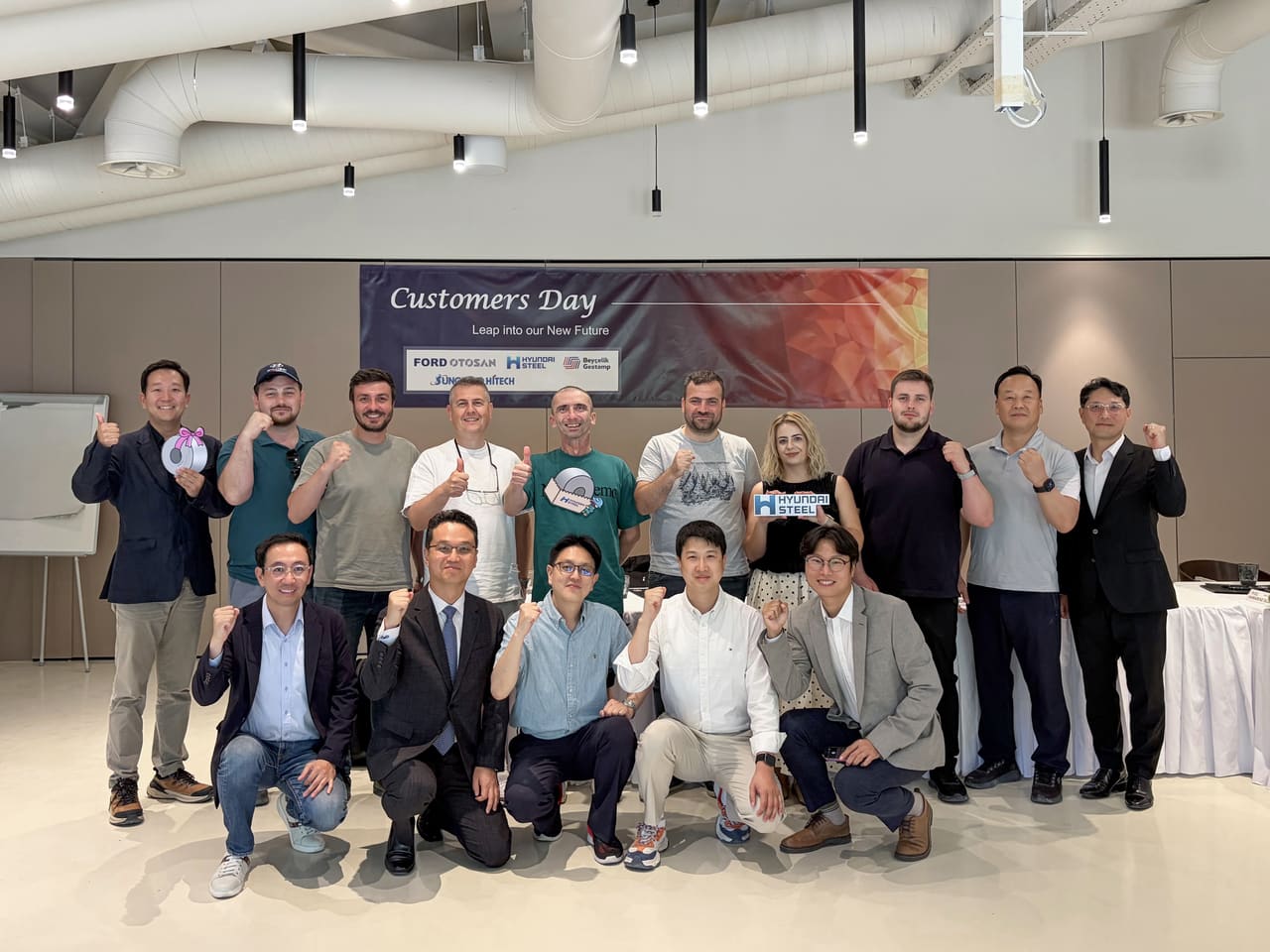
Hyundai Steel gathered key European automotive customers at the World Rally Championship's Greece Rally last week, using the high-profile motorsport event as a platform to demonstrate its low-carbon steel technologies. The South Korean steelmaker announced the Customers Day gathering on Wednesday, framing it as both a technical showcase and a strategic push to deepen ties with European buyers at a moment when trade rules are shifting.
The timing reflects calculated positioning. The European Union's Carbon Border Adjustment Mechanism went live this month, alongside revised steel tariff-rate quota regulations. Both measures reshape the economics of exporting steel into the bloc, rewarding suppliers who can document lower embedded emissions and navigate the new compliance architecture.
Carbon Accounting as Competitive Edge
Hyundai Steel emphasized its preparedness for CBAM requirements during the event. The mechanism imposes levies on imported steel, aluminum, cement, fertilizers, and other carbon-intensive goods based on the emissions generated during production. Importers must purchase CBAM certificates corresponding to the carbon content of their goods, effectively extending the EU's carbon pricing regime beyond its borders.
For steelmakers serving European automotive clients, CBAM compliance is no longer optional. Carmakers face their own emissions reduction targets under the EU's Corporate Sustainability Reporting Directive and are scrutinizing supply chains for Scope 3 emissions. Steel accounts for a significant share of a vehicle's embodied carbon, making material sourcing a lever for manufacturers chasing fleet-average CO₂ goals.
Hyundai Steel's decision to host the event during a rally, rather than a traditional trade show or factory tour, signals a shift in how Asian steel suppliers are engaging European automotive accounts. The rally setting allowed the company to associate its products with performance engineering while creating informal networking opportunities away from the transactional environment of procurement meetings.
Tariff Architecture and Asian Steel Flows
The revised steel tariff-rate quotas add another layer of complexity. The EU adjusts these quotas periodically to manage import volumes and protect domestic producers, particularly in segments like hot-rolled coil and automotive-grade sheet. South Korean steelmakers have historically held quota allocations, but access can tighten when European mills ramp up capacity or when geopolitical considerations influence trade policy.
Hyundai Steel's outreach comes as global steel trade flows are being redrawn. The United States has expanded Section 232 tariffs and negotiated new quota arrangements with allies. China's steel exports have surged as domestic demand softens, putting pressure on prices in third markets. European buyers are weighing cost, lead times, and regulatory risk when choosing suppliers, creating openings for mills that can offer transparency and compliance alongside competitive pricing.
South Korea's steel industry has invested heavily in low-carbon production technologies, including electric arc furnaces and hydrogen-based direct reduction pilots. Hyundai Steel, part of the Hyundai Motor Group ecosystem, supplies much of the automaker's domestic steel needs and has been expanding export capacity. The company's ability to trace emissions and provide product-level carbon footprints positions it to meet the documentation requirements that CBAM and corporate sustainability disclosures demand.
Strategic Context in Uncertain Trade Environment
Hyundai Steel framed the European engagement as part of a broader strategy to navigate what it described as growing global trade uncertainty. The phrasing reflects the steel industry's operating environment in 2026: overlapping trade remedies, divergent carbon policies, and supply chain diversification efforts by major buyers.
European automotive manufacturers are under pressure to secure non-Chinese sources of critical materials, including battery-grade steel and advanced high-strength alloys. South Korean suppliers are positioning themselves as reliable alternatives with advanced technical capabilities and alignment with Western regulatory frameworks. The Greece event appears designed to reinforce that narrative, pairing technical demonstrations with relationship-building in a setting that underscores performance and precision.
The company did not disclose which European customers attended or announce specific supply agreements resulting from the gathering. However, the public emphasis on CBAM readiness and tariff compliance suggests Hyundai Steel is betting that regulatory alignment will become a differentiator as the EU's carbon border mechanism moves from its current transitional reporting phase to full financial enforcement in 2026.
For Asian steelmakers, the European market represents both opportunity and complexity. Demand for automotive steel remains robust as electrification drives new material specifications, but access hinges on meeting tightening environmental and trade requirements. Hyundai Steel's rally-week diplomacy reflects a recognition that technical capability alone is insufficient; market access now requires fluency in carbon accounting, regulatory navigation, and strategic positioning within a fragmenting global trade system.
RELATED STORIES
SK Chemicals Targets Europe's Can-Coating Shift After BPA Ban
Cheng Wei-Lun · 2 min
South Korea Breaks Full-Year Export Record in September
Tran Quoc Bao · 3 min
SK Hynix Union Rejects Wage Deal in Razor-Thin Vote
Cheng Wei-Lun · 3 min
Hyundai Motor Faces First Full-Day Strike in a Decade as Wage Talks Stall
Jun-ho Seo · 2 min
Spot something wrong? Email editor@briefasia.com. We log every correction publicly.