Sustainability · Energy
HyperStrong Expands Battery Storage Production in Inner Mongolia
Beijing-based energy storage integrator establishes major manufacturing subsidiary in Baotou as China's battery sector consolidates
KEY TAKEAWAYS
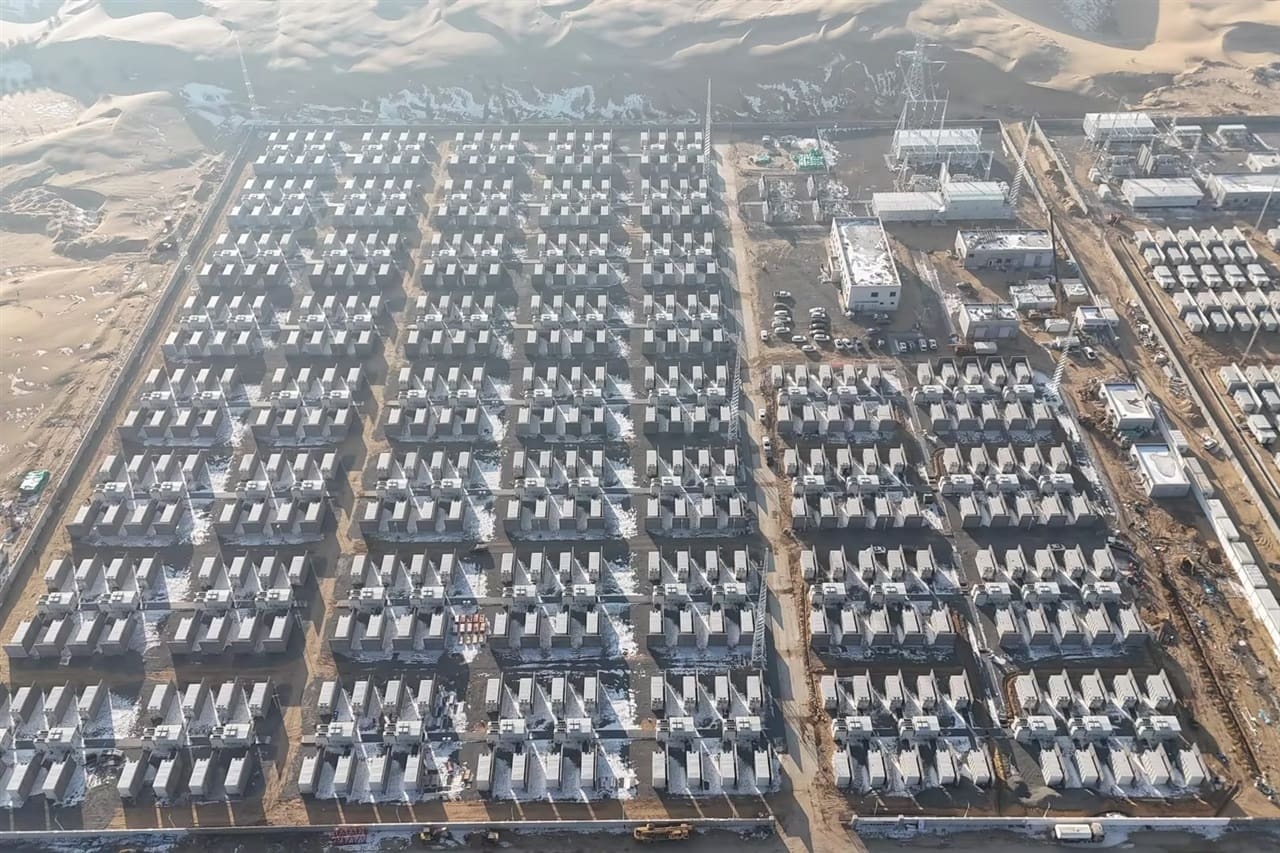
- ·Beijing HyperStrong Technology established Inner Mongolia HyperStrong Technology as a major production subsidiary in Baotou, expanding manufacturing capacity in China's northern industrial corridor.
- ·The move reflects intensifying competition among Chinese battery energy storage system integrators, who are pushing upstream to control costs and secure supply chains.
- ·Inner Mongolia offers proximity to raw materials, lower manufacturing costs, and government incentives as the province positions itself as an energy storage production hub.
Production Push in the North
Beijing HyperStrong Technology has opened a significant manufacturing operation in Baotou, Inner Mongolia, through its newly established subsidiary Inner Mongolia HyperStrong Technology. The move positions the energy storage integrator closer to raw material supply chains and lower-cost manufacturing zones as competition accelerates across China's battery sector.
Baotou sits at the heart of Inner Mongolia's industrial corridor, with established infrastructure for rare earth processing and battery component manufacturing. The region offers proximity to lithium processing facilities and grid-scale project deployment zones across northern China.
Vertical Integration Accelerates
The subsidiary represents a broader pattern among Chinese battery energy storage system integrators, who are pushing manufacturing capabilities upstream to secure margins and control quality. HyperStrong, which achieved unicorn status in recent funding rounds, has been expanding production capacity to meet surging demand from utility-scale renewable projects and industrial applications.
Energy storage system integrators in China face mounting pressure to differentiate on cost and delivery speed as the sector matures. Establishing dedicated production facilities allows companies like HyperStrong to reduce reliance on third-party manufacturers and capture more value across the supply chain.
Inner Mongolia's government has been actively courting battery and renewable energy manufacturers with land grants, tax incentives, and streamlined permitting. The province aims to position itself as a hub for energy storage production, leveraging abundant wind and solar resources alongside industrial capacity.
Competitive Landscape Tightens
HyperStrong competes with a crowded field of Chinese energy storage integrators, including CATL's energy storage division, Sungrow Power Supply, and Narada Power Source. The sector has seen rapid consolidation over the past eighteen months, with smaller players either acquired or squeezed out by pricing pressure.
Battery energy storage deployments in China reached record levels in 2025, driven by grid modernization mandates and renewable energy curtailment reduction targets. The National Energy Administration has set ambitious targets for energy storage capacity additions through 2030, creating sustained demand for utility-scale systems.
The Baotou facility will likely focus on assembly and integration of battery packs, inverters, and thermal management systems, drawing on components sourced regionally and from coastal manufacturing hubs. Inner Mongolia's lower labor and land costs offer margin advantages compared to production in tier-one cities.
Regional Manufacturing Strategy
Establishing production in Inner Mongolia also aligns with Beijing's push to distribute advanced manufacturing beyond coastal provinces. The central government has incentivized companies to build capacity in western and northern regions to balance economic development and reduce logistical bottlenecks.
For HyperStrong, the Baotou subsidiary provides a manufacturing footprint that complements its Beijing headquarters and existing facilities. The company has been scaling rapidly to keep pace with project pipelines from state-owned utilities and large industrial customers.
Energy storage integrators that can demonstrate reliable domestic production capacity and rapid project delivery are better positioned to win contracts from grid operators and renewable developers. The sector increasingly rewards scale, vertical integration, and regional manufacturing presence.
The Inner Mongolia expansion underscores how China's energy storage industry is entering a phase where operational execution and supply chain control matter as much as technology differentiation. Companies that secure cost-effective production capacity and maintain quality at scale will likely emerge as long-term leaders in a sector critical to China's energy transition.
RELATED STORIES
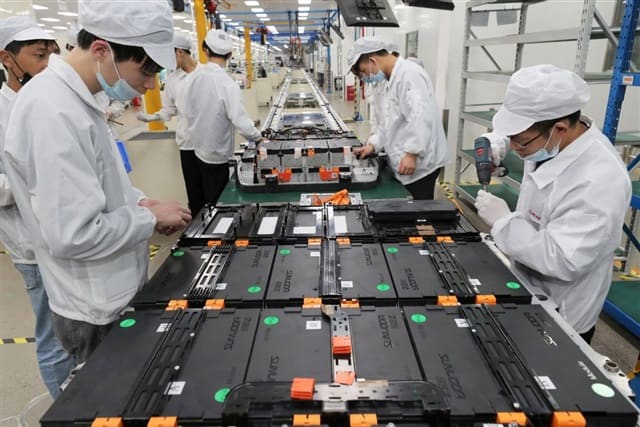
China's Battery Dominance Faces Quality Test as CALB Defect Spreads
Anand Sundaram · 3 min
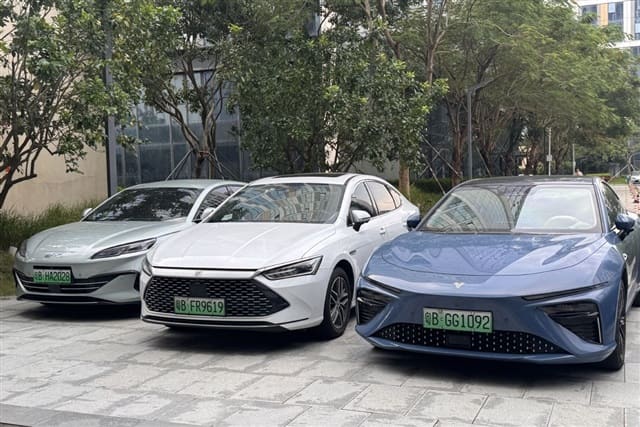
China Targets 84% Share of AR-HUD Production by 2031
Cheng Wei-Lun · 3 min
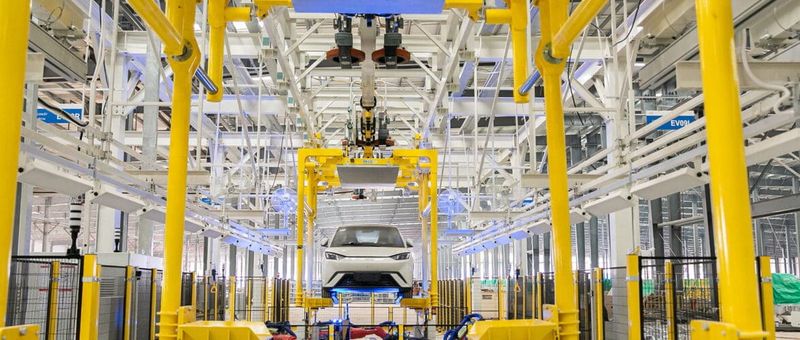
BYD Sets Sights on 2 Million Overseas Sales in 2026 After Brazil, Europe Surge
Cheng Wei-Lun · 3 min
China's August Inflation Accelerates on Energy and Typhoon Disruption
Tran Quoc Bao · 2 min
Spot something wrong? Email editor@briefasia.com. We log every correction publicly.