Travel & Dining · Trends
Hong Kong Yacht Owners Gain Mainland Access Under New Customs Exemption
Policy shift eliminates guarantee requirements and streamlines registration for vessels sailing Greater Bay Area waters
KEY TAKEAWAYS
- ·China has exempted Hong Kong and Macau leisure vessels from customs guarantees when entering mainland waters and introduced temporary nationality registration for cross-border travel.
- ·The policy removes financial barriers that previously limited yacht movement across the Greater Bay Area's 3,000-kilometer coastline and more than 40 new marinas.
- ·Hong Kong currently registers around 1,200 pleasure craft compared to Singapore's 2,500, with the new access potentially boosting registrations and charter operations.
Policy Shift Opens Regional Waters
Leisure vessels registered in Hong Kong and Macau no longer face customs guarantee requirements when entering mainland Chinese waters, according to new policy measures announced by Beijing. The exemption applies to yachts and recreational boats registered in the two special administrative regions and includes provisions for temporary nationality registration.
The changes address a longstanding barrier in the yacht tourism sector. Previously, vessel owners faced substantial financial obligations when crossing into mainland waters, effectively limiting cross-border movement within the Greater Bay Area. The guarantee system required deposits or bonds that could reach significant sums depending on vessel value, creating a deterrent for casual cruising.
Under the updated framework, Hong Kong-registered yachts can now move freely between the city's waters and designated mainland destinations without posting financial security. The temporary nationality registration mechanism allows vessels to obtain mainland credentials for specified periods, streamlining administrative processes that previously required weeks of paperwork.
Greater Bay Integration
The policy fits within broader efforts to integrate the eleven-city Greater Bay Area, which encompasses Hong Kong, Macau, and nine Guangdong cities including Guangzhou and Shenzhen. With a combined coastline exceeding 3,000 kilometers and numerous marinas under development, the region has invested heavily in yachting infrastructure over the past five years.
Macau benefits equally from the exemption. The territory has positioned itself as a yachting destination since opening its Fisherman's Wharf marina complex and has seen steady growth in berth capacity. The customs waiver allows Macau-based vessels the same mobility as their Hong Kong counterparts.
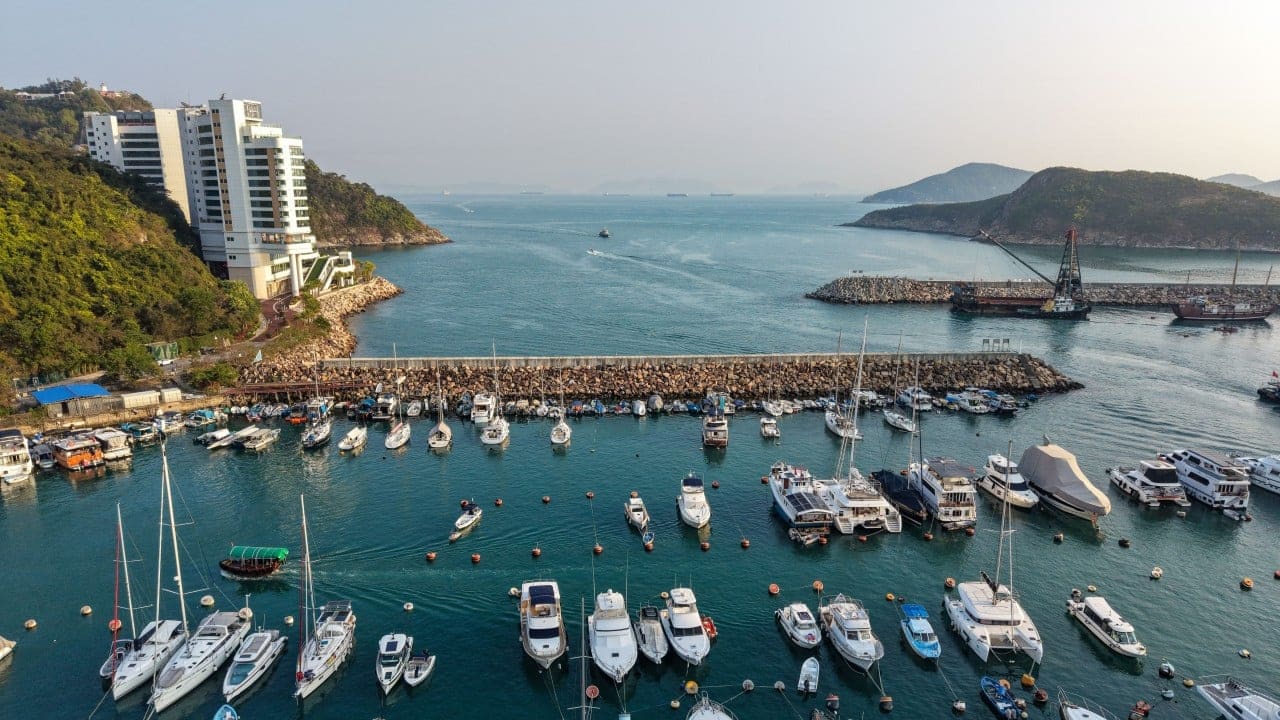
Industry observers note the change could accelerate yacht ownership in both cities. Hong Kong currently registers approximately 1,200 pleasure craft, a modest figure compared to Singapore's fleet of over 2,500 and Sydney's 8,000-plus. Cost and regulatory complexity have traditionally dampened demand, particularly among owners interested in regional cruising rather than local harbor use.
Infrastructure and Market Response
Hong Kong operates several marine facilities catering to the yachting community, including the Aberdeen Marina Club, Hebe Haven Yacht Club, and the newer Victoria Harbour berths. These venues have struggled with occupancy rates below regional averages, partly due to restricted cruising range. Expanded access to mainland ports and anchorages could shift utilization patterns.
Guangdong province has opened more than 40 new marinas since 2020, many with international-standard services. Destinations such as Zhuhai, Huizhou, and the coastal stretches near Shenzhen now feature berthing, refueling, and repair facilities designed to accommodate foreign-flagged and SAR-registered vessels. The customs exemption makes these installations genuinely accessible for the first time.
Charter operators in Hong Kong stand to benefit directly. Day trips to nearby Guangdong islands or overnight passages to Zhuhai previously required advance customs clearance and guarantee arrangements that added cost and complexity. Streamlined procedures reduce overhead and enable more flexible itineraries, potentially attracting clients who prioritize convenience.
Implementation Details
Details on the exemption's scope remain under review. Authorities have not yet published a complete list of approved mainland ports or clarified whether the waiver extends to commercial charter vessels or applies exclusively to private recreational use. Vessel size limits and duration caps for temporary registration also await official confirmation.
Hong Kong's Marine Department will coordinate with mainland customs and port authorities to establish operational procedures. Vessel owners will still need to comply with safety regulations, crew documentation, and maritime traffic rules applicable in each jurisdiction. The exemption eliminates financial guarantees but does not waive routine inspections or compliance checks.
Regional Competition
Singapore remains Southeast Asia's leading yacht hub, supported by a mature regulatory environment, tax incentives, and geographic proximity to cruising grounds in Malaysia, Indonesia, and Thailand. The city-state's yacht registry has grown steadily, aided by policies that reduce import duties for foreign-flagged vessels and simplify crew visa processes.
Hong Kong's new customs arrangement offers a comparable advantage within the Greater Bay Area framework. The policy effectively creates a regional cruising zone that rivals the connectivity available in European waters or the Caribbean. Whether the city can convert regulatory reform into market share depends on additional factors, including competitive berthing fees, maintenance costs, and the attractiveness of mainland destinations to international yacht owners.
The exemption also positions Hong Kong as a potential base for yacht owners seeking access to China's expanding coastal tourism market. Domestic interest in recreational boating has increased as affluence spreads beyond tier-one cities, creating demand for marinas, training programs, and charter services. SAR-registered vessels benefit from both the new customs waiver and existing legal frameworks that facilitate cross-border business operations.
Next Steps
Implementation timelines have not been disclosed. Stakeholders expect a phased rollout, beginning with pilot programs at select mainland ports before expanding to the full network of Greater Bay Area facilities. Coordination among Hong Kong, Macau, and Guangdong authorities will determine how quickly the policy translates into operational changes on the water.
The customs exemption represents a tangible step toward integrating regional marine tourism. For Hong Kong, the measure removes a significant obstacle in the yacht sector and opens opportunities for growth in registrations, charters, and related services. How effectively the city capitalizes on the policy shift will depend on complementary efforts in marketing, infrastructure investment, and regulatory alignment across the Greater Bay Area.
RELATED STORIES
Cathay Pacific Cargo Reports 9% Tonnage Growth in First Half
Cheng Wei-Lun · 3 min
Hong Kong's Wealth Hub Status Faces Test as Beijing Tightens Tax Enforcement
Cheng Wei-Lun · 3 min
Hong Kong and China Regulators Announce Market Integration Reforms
Cheng Wei-Lun · 3 min
Hong Kong Data Centre Rates Climb 90 Percent as Mainland AI Players Expand
Cheng Wei-Lun · 3 min
Spot something wrong? Email editor@briefasia.com. We log every correction publicly.