Real Estate · Offices
Hong Kong Universities Turn to Commercial Real Estate Amid Space Crunch
At least six institutions convert vacant office and retail space into teaching facilities as enrollment surge meets property oversupply
KEY TAKEAWAYS
- ·At least six Hong Kong universities are converting commercial office and retail space into teaching facilities to address campus capacity constraints driven by rising non-local student enrollment.
- ·Office vacancy rates in prime Hong Kong districts remain above 15 percent in some buildings, making landlords willing to negotiate with stable institutional tenants at below-peak rates.
- ·The arrangement offers universities faster, more flexible space solutions than campus construction, while property owners gain occupancy and predictable rental income during prolonged market weakness.
A Practical Convergence
Hong Kong's higher education sector is moving into the city's commercial real estate, a development driven by two simultaneous pressures: universities need more teaching space to accommodate growing numbers of international students, while office and retail landlords face stubbornly high vacancy rates.
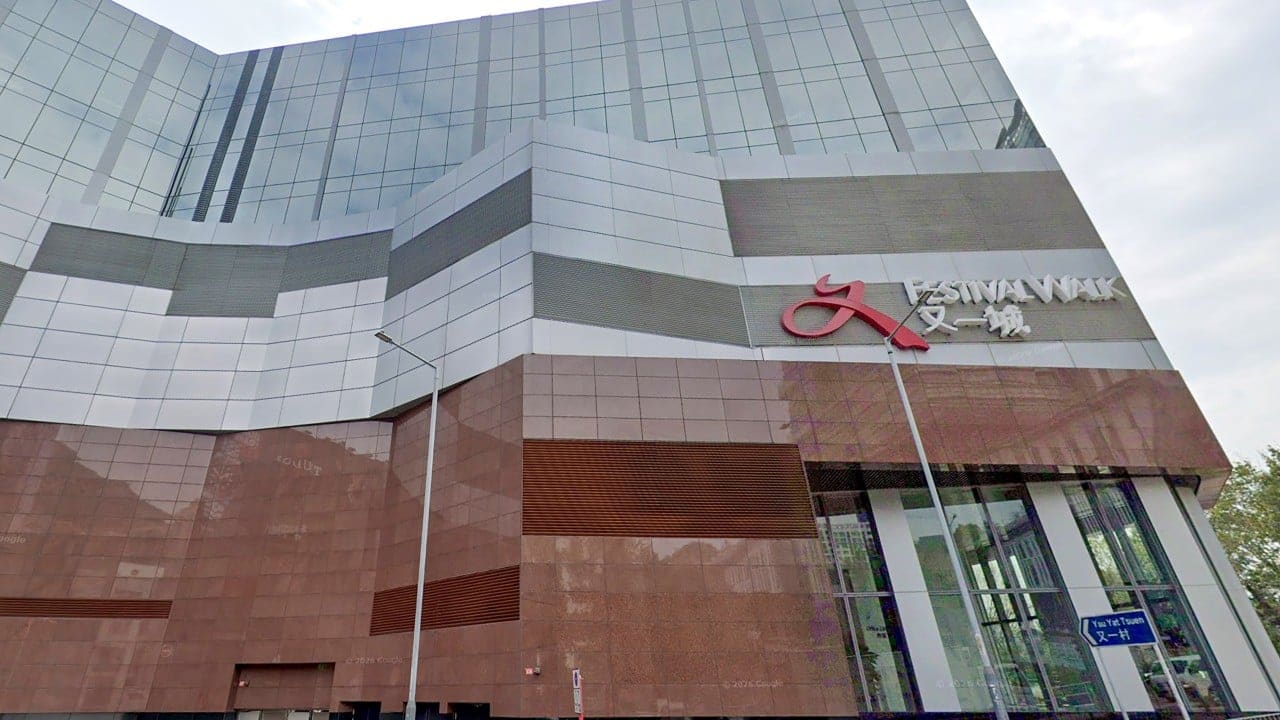
At least six universities in Hong Kong have begun converting commercial premises into off-campus teaching facilities. The arrangement addresses acute spatial constraints on traditional campuses while offering property owners a solution to prolonged vacancies in the wake of shifting work patterns and economic headwinds.
The trend reflects a calculated response to market conditions rather than long-term institutional strategy. Universities have seen sharp increases in non-local student enrollment over the past two years, straining existing campus infrastructure. Meanwhile, commercial landlords across prime districts continue to grapple with empty floors and retail units, a legacy of pandemic-era disruptions and the acceleration of remote work.
The Enrollment Surge
Hong Kong's government has actively promoted the city as a regional education hub, relaxing visa policies and expanding quota allocations for mainland Chinese and other international students. The push has succeeded in boosting enrollment figures, but campus expansion has not kept pace.
Traditional university campuses in Hong Kong occupy constrained sites, many carved into hillsides or hemmed in by residential neighborhoods. Physical expansion requires years of planning approvals and construction, timelines that do not match the immediate demand for lecture halls, seminar rooms, and study spaces.
Leasing commercial space offers a faster, more flexible alternative. Universities can negotiate shorter-term agreements, adapt floor plans to suit teaching requirements, and avoid the capital expenditure and regulatory complexity of new construction. For institutions managing enrollment volatility, the model reduces long-term financial exposure.
Property Market Dynamics
Hong Kong's office market has struggled since 2020. Grade-A office vacancy rates in Central, Admiralty, and Wan Chai have remained elevated, with some buildings reporting availability above 15 percent. Retail vacancies, particularly in older commercial complexes, have persisted as consumer spending patterns shift and tourism recovery remains uneven.
Landlords facing extended vacancies have shown willingness to negotiate with institutional tenants. Universities, as stable, long-term occupiers with government backing, present lower credit risk than many corporate tenants navigating economic uncertainty. Lease terms can be structured to accommodate academic calendars and renovation needs, while property owners gain occupancy and predictable rental income.
The financial calculus works for both sides. Universities secure space in accessible, well-connected locations at rates often below pre-pandemic peak levels. Landlords fill vacant inventory and avoid the reputational and financial drag of empty buildings in high-profile districts.
Logistical Considerations
Operating classrooms in commercial towers introduces practical challenges. Buildings designed for office use require modifications to support teaching activities: upgraded Wi-Fi infrastructure, reconfigured floor layouts, soundproofing between rooms, and compliance with educational facility regulations.
Transportation and accessibility become critical factors. Universities prioritize locations near MTR stations and bus routes to minimize commute times for students and faculty. Proximity to main campuses helps maintain institutional cohesion, though off-campus sites inevitably fragment the student experience.
Some institutions have clustered multiple disciplines or programs within a single commercial building, creating de facto satellite campuses. Others use leased space for specific functions such as executive education, professional training programs, or overflow lecture capacity during peak enrollment periods.
Broader Implications
The shift carries implications beyond immediate space needs. If sustained, the trend could reshape how Hong Kong's universities plan capital investments and manage physical footprints. Reliance on leased commercial space may reduce pressure for expensive campus expansions, but it also introduces dependency on property market conditions and lease renewal negotiations.
For the commercial real estate sector, educational tenants represent a new demand segment, albeit one unlikely to absorb the full extent of current vacancies. The sector's recovery will ultimately depend on broader economic factors including corporate expansion, financial services activity, and the return of multinational regional headquarters.
The convergence of university space needs and commercial property oversupply offers a window into Hong Kong's evolving urban economy. Both sectors are adapting to structural changes - higher education internationalizing rapidly, commercial real estate recalibrating after years of disruption. Whether the arrangement proves temporary or marks a longer-term shift will depend on enrollment trends, property market recovery, and government policy toward both education and urban development.
For now, the alignment of interests provides a functional solution. Universities gain the space they need to accommodate students, landlords gain tenants for empty buildings, and Hong Kong's ambition to position itself as a regional education hub continues, even if the classrooms sit in office towers rather than ivy-covered quads.
RELATED STORIES
Hong Kong Housing Market Tests Durability as Flipper Activity Drops
Cheng Wei-Lun · 3 min
Hong Kong Awards First Northern Metropolis Land to Mainland-Local Consortium
Cheng Wei-Lun · 3 min
Sino Land Posts 14% Profit Increase Despite Core Business Headwinds
Cheng Wei-Lun · 3 min
Hong Kong's Distressed Property Sales May Ease as Market Stabilizes
Priyanka V. Rao · 3 min
Spot something wrong? Email editor@briefasia.com. We log every correction publicly.