Asia · Trade
Hong Kong Trade Body Pivots to Global South Markets
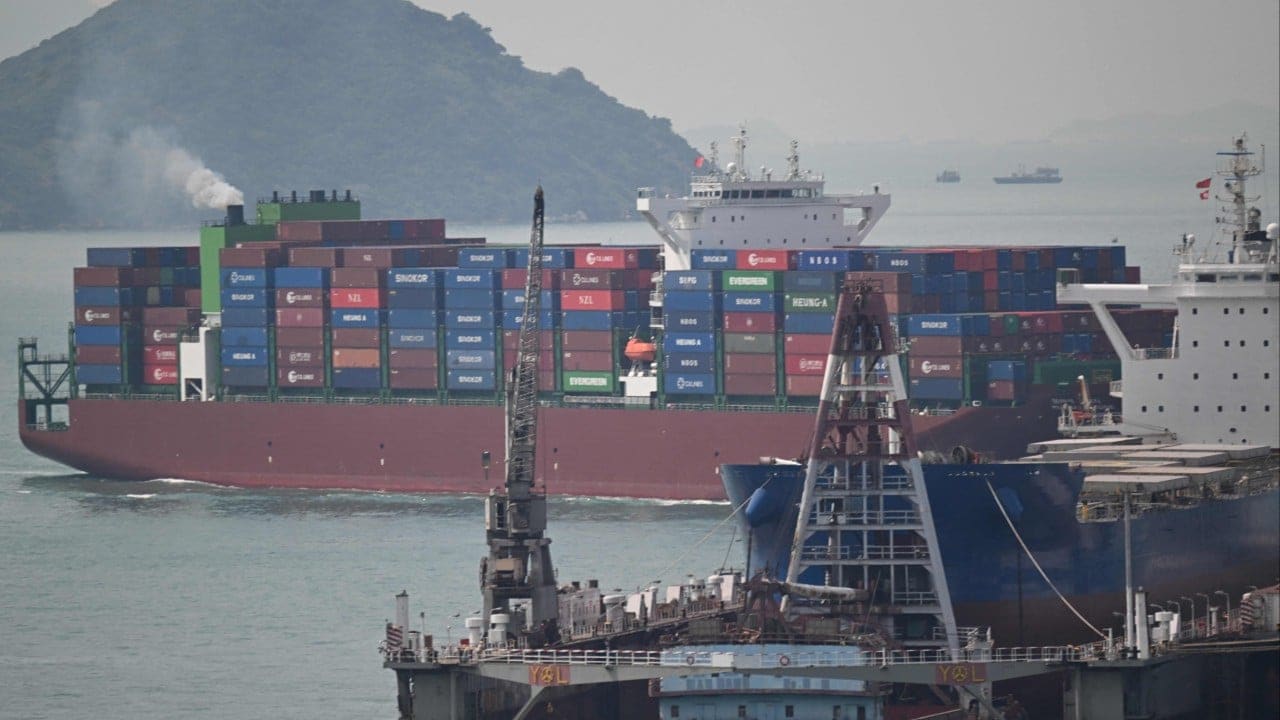
The Trade Development Council is shifting its focus beyond traditional Western partners to help mainland and local firms tap emerging economies across Asia, Africa, and Latin America.
KEY TAKEAWAYS
- ·Hong Kong's Trade Development Council is redirecting resources toward emerging markets in Asia, Africa, and Latin America as growth concentrates outside traditional Western economies.
- ·The shift addresses mainland Chinese manufacturers' need to diversify export destinations amid tariff pressures and supply chain reconfigurations in developed markets.
- ·Success depends on building institutional expertise in regulatory frameworks, payment systems, and business practices specific to Global South trade corridors.
A Strategic Reorientation
Hong Kong's Trade Development Council is recalibrating its institutional mission to emphasize trade corridors with emerging markets across Asia, Africa, and Latin America. The shift responds to changing patterns in global commerce, where growth increasingly concentrates outside traditional Western markets that have dominated the city's export strategy for decades.
The council has historically functioned as a bridge between Hong Kong businesses and developed economies in North America and Europe. That model delivered results when those markets represented the bulk of global consumption growth. Today, demographic expansion and rising middle-class purchasing power in the Global South present different opportunities that require different institutional capabilities.
Hong Kong maintains structural advantages as a connector between mainland China and international markets. The city's legal framework, financial infrastructure, and logistics networks position it to facilitate cross-border transactions. Yet these advantages only translate into commercial outcomes when trade promotion agencies direct resources toward markets with actual demand.
Why Emerging Markets Matter Now
The arithmetic is straightforward. Emerging economies in Southeast Asia, South Asia, the Middle East, and parts of Africa are posting GDP growth rates that dwarf those in mature markets. Indonesia, Vietnam, India, and Nigeria each represent consumer bases larger than most European countries, with income levels rising faster than Western wages grew during comparable development phases.
Mainland Chinese manufacturers face mounting pressure to diversify their export destinations. Tariff barriers and supply chain reconfigurations in Western markets have made alternative routes essential rather than optional. Hong Kong's role as a service hub depends on facilitating these new trade flows, not clinging to legacy partnerships that generate diminishing returns.
The Trade Development Council's pivot reflects this reality. By directing resources toward South-South trade corridors, the organization aims to help Hong Kong firms capture margin in transactions between mainland producers and buyers in emerging markets. This triangular trade pattern leverages Hong Kong's existing strengths while addressing where actual demand growth is occurring.
Operational Implications
Executing this strategy requires more than redirecting marketing budgets. Emerging markets operate under different regulatory frameworks, payment systems, and business practices than Western economies. Hong Kong firms accustomed to dealing with established supply chains in Europe or North America will need support navigating environments where contract enforcement, logistics reliability, and currency convertibility vary significantly.
The council will need to build institutional knowledge about markets that have not historically been priorities. That means hiring staff with regional expertise, establishing on-the-ground presence in target cities, and developing partnerships with local chambers of commerce and industry associations. Generic trade missions will deliver less value than tailored programs that address specific friction points in particular corridors.
Financial infrastructure matters as much as market intelligence. Cross-border payments between emerging markets often route through Hong Kong's banking system, but settlement mechanisms need to accommodate currencies and payment rails that differ from dollar or euro transactions. The city's fintech sector has opportunities to build solutions for these corridors, provided trade promotion efforts create the commercial relationships that justify investment.
Competitive Dynamics
Hong Kong is not the only hub pursuing this strategy. Singapore has spent years cultivating ties with ASEAN neighbors and South Asian economies. Dubai positions itself as a gateway between Asia, Africa, and Europe. Shanghai continues to expand its role as mainland China's primary international trade node.
The Trade Development Council's effectiveness will depend on identifying where Hong Kong adds distinct value rather than replicating services available elsewhere. The city's familiarity with mainland business practices, combined with its openness to international capital and adherence to common law, creates a differentiated offering. But that advantage only matters if firms actually need those specific attributes for their transactions.
Mainland companies expanding into emerging markets may prefer to operate directly rather than routing through Hong Kong intermediaries, especially as they build their own international capabilities. The council's value proposition must extend beyond simple introductions to include services that reduce transaction costs or mitigate risks in ways that justify Hong Kong's participation in the value chain.
What Success Looks Like
Metrics will reveal whether this pivot generates tangible results. Trade volumes between Hong Kong and Global South markets should increase, not just in aggregate but in diversity of products and participants. The number of mainland firms using Hong Kong as a base for emerging market operations should grow, as should the roster of Hong Kong service providers supporting those activities.
The council's ability to adapt its institutional model will determine whether Hong Kong captures a meaningful share of South-South trade flows or remains a spectator while commerce routes around the city. The opportunity is real, but seizing it requires more than recognizing the trend. It demands sustained investment in capabilities that match the operational realities of these markets.
RELATED STORIES

China's Social Security Fund Doubles Offshore Holdings to $86 Billion
Jun-ho Seo · 3 min

Hong Kong Debuts Robot-Run Convenience Store in Commercial Automation Push
Cheng Wei-Lun · 3 min
Shein Drops 4% in Hong Kong Debut as Tariff Pressure Weighs on Valuation
Priyanka V. Rao · 4 min

Hong Kong Wealth Hub Resilient Despite Beijing Investment Restrictions
Cheng Wei-Lun · 3 min
Spot something wrong? Email editor@briefasia.com. We log every correction publicly.