Finance · Markets
Hong Kong Industry Group Proposes Currency Basket to Replace Dollar Peg
A financial professionals association has submitted a formal proposal to shift away from the 40-year-old fixed exchange rate system, though analysts see limited appetite for change
KEY TAKEAWAYS
- ·The Hong Kong Securities and Futures Professionals Association submitted a proposal this week to shift away from the US dollar peg toward a basket of currencies and gold.
- ·Analysts see limited likelihood of change given the system's 40-year track record, deep official support, and over 400 billion dollars in reserves.
- ·The proposal reflects growing yuan use in regional trade, but full convertibility constraints and political risks complicate any basket mechanism.
A Four-Decade System Under Fresh Scrutiny
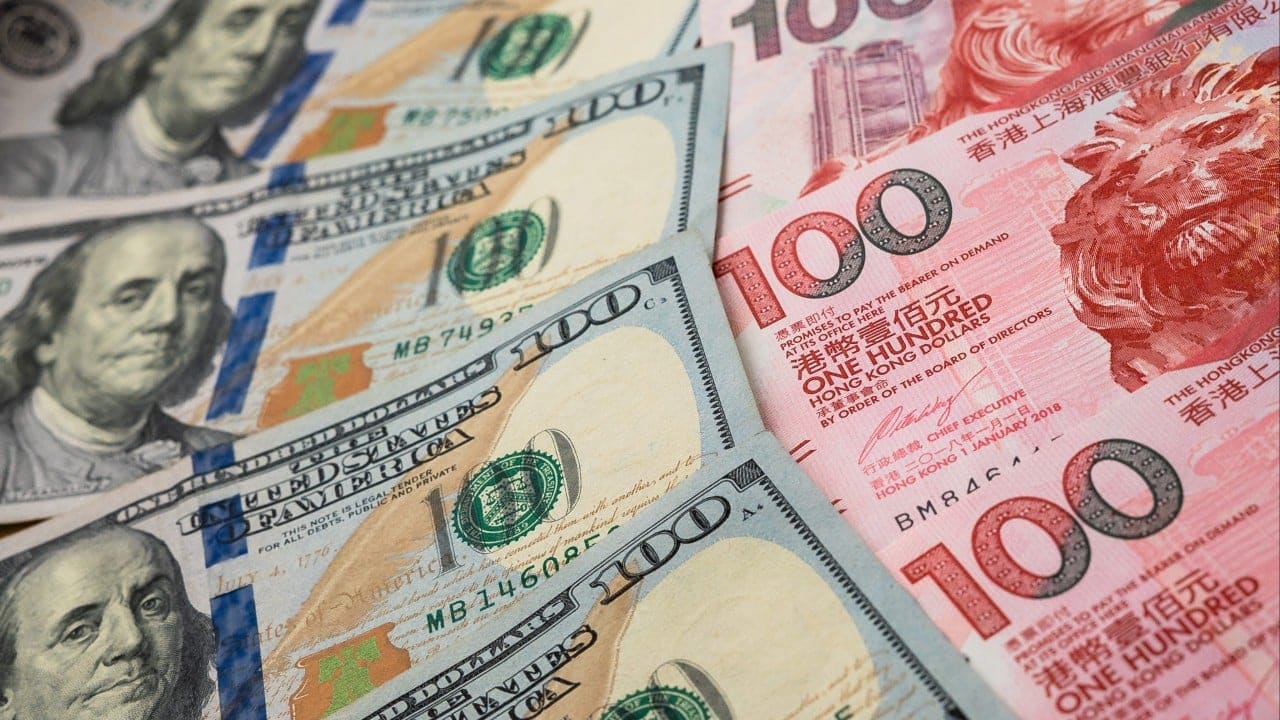
Hong Kong's currency peg to the US dollar, a fixture of the territory's financial architecture since 1983, is drawing fresh debate after a local industry association formally proposed exploring alternatives. The Hong Kong Securities and Futures Professionals Association submitted a recommendation this week urging policymakers to consider greater use of the yuan and examine a shift toward a basket of major currencies and gold.
The proposal arrives as Hong Kong's government solicits input on financial policy, yet analysts remain skeptical that any meaningful change will materialize. The linked exchange rate system, which pegs the Hong Kong dollar at roughly 7.8 to the greenback, has weathered the 1997 Asian financial crisis, the 2008 global meltdown, and the COVID-19 pandemic without fundamental alteration.
What the Industry Body Is Suggesting
The association's submission centers on two tracks. First, it advocates expanding the role of the yuan in Hong Kong's day-to-day transactions and reserves, reflecting the currency's growing share of regional trade settlement. Second, it floats the idea of replacing the single-currency peg with a basket mechanism that would include multiple major currencies alongside gold, potentially dampening volatility tied to Federal Reserve policy cycles.
Proponents within the group argue that Hong Kong's economy has deepened its integration with mainland China over the past two decades, making the dollar peg less reflective of actual trade and capital flows. Yuan-denominated bonds, loans, and deposits have all expanded in Hong Kong's offshore market, yet the city's monetary policy remains tethered to Washington rather than Beijing.
Why Analysts See Little Chance of Movement
Financial economists who follow Hong Kong closely point to several structural realities that make a peg shift improbable in the near term. The existing system enjoys deep institutional support, including from the Hong Kong Monetary Authority, which has defended the arrangement repeatedly. Official reserves exceed 400 billion US dollars, providing ample firepower to maintain the band even during speculative pressure.
A basket peg would also introduce new complexities. Deciding the weights of constituent currencies and gold, managing daily interventions, and communicating policy transparently would require coordination that Hong Kong's small, open economy has historically avoided. The simplicity of the current mechanism is part of its appeal to international investors, who value predictability in a regional financial hub.
Moreover, yuan internationalization remains incomplete. Capital controls on the mainland limit full convertibility, and Beijing has shown caution about accelerating the process. Pegging to a basket that includes a partially convertible currency could create arbitrage risks and complicate Hong Kong's role as a bridge between onshore and offshore markets.
The Political and Economic Context
The timing of the proposal is notable. US-China tensions over trade, technology, and finance have periodically raised questions about Hong Kong's position as a dollar-based gateway to Asia. At the same time, the yuan's share of global payments has edged higher, supported by Belt and Road financing and commodity deals settled in renminbi.
Yet Hong Kong's status as an international financial center rests significantly on its adherence to transparent, rules-based monetary arrangements. Any perception of political influence over exchange rate decisions could erode confidence among the multinational banks, asset managers, and trading houses that anchor the city's economy.
The government has not indicated any inclination to revisit the peg. Official statements over the past year have consistently reaffirmed the linked exchange rate as a cornerstone of financial stability, emphasizing its track record through decades of external shocks.
What Comes Next
The association's proposal will likely be logged as part of the public consultation process, but few market participants expect it to gain traction. The Hong Kong dollar trades comfortably within its band, interbank liquidity remains stable, and there is no visible crisis that would force a policy rethink.
Still, the fact that a recognized industry body has formally raised the issue signals that some segments of the financial community are thinking beyond the status quo. As China's economy continues to expand and the yuan's international footprint grows, the question of whether Hong Kong's monetary framework should evolve will probably resurface in future debates, even if immediate change remains off the table.
RELATED STORIES

Hong Kong and China Regulators Announce Market Integration Reforms
Cheng Wei-Lun · 3 min

Chinese State Firms Centralize Global Cash in Hong Kong Treasury Hubs
Cheng Wei-Lun · 3 min
Hong Kong's Wealth Hub Status Faces Test as Beijing Tightens Tax Enforcement
Cheng Wei-Lun · 3 min

Hong Kong Regulator Steps Up Scrutiny of Concentrated Shareholdings
Cheng Wei-Lun · 3 min
Spot something wrong? Email editor@briefasia.com. We log every correction publicly.