Finance · Banking
Chinese State Firms Centralize Global Cash in Hong Kong Treasury Hubs
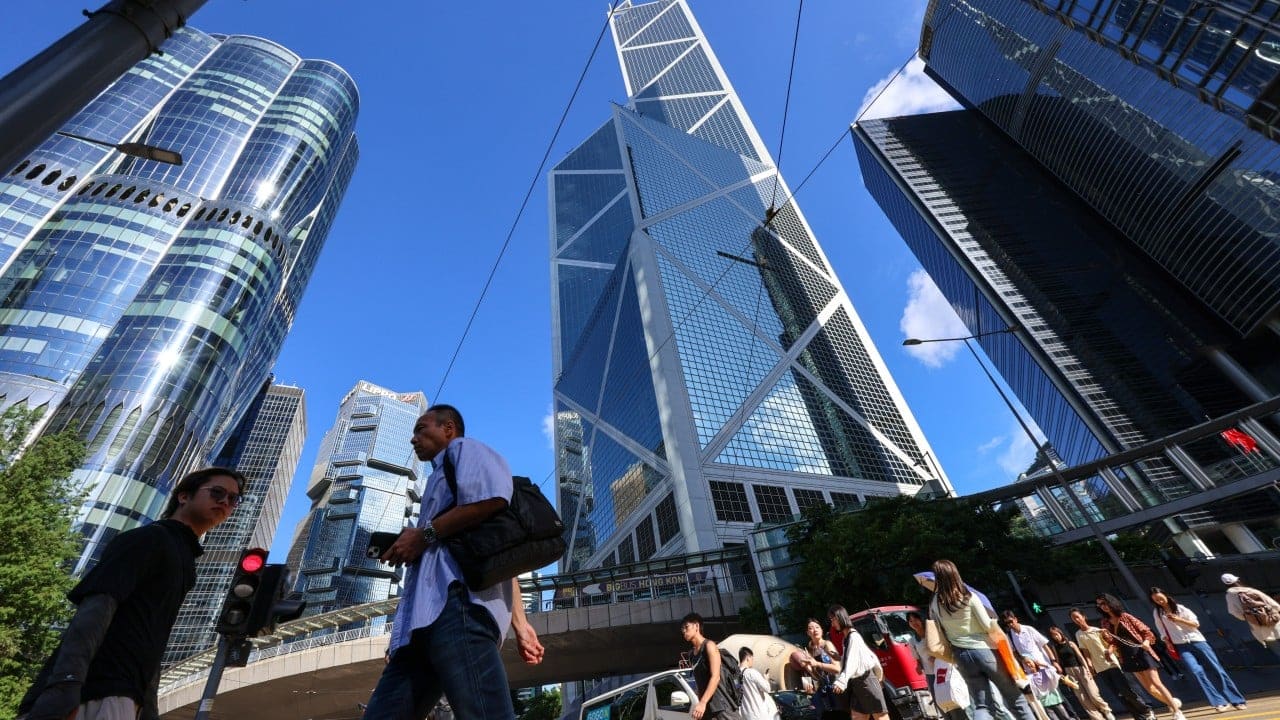
Central SOEs are consolidating fragmented overseas accounts into unified treasury centers, with the city emerging as the primary location amid tighter control over cross-border capital flows.
KEY TAKEAWAYS
- ·Chinese central state-owned enterprises are consolidating fragmented overseas accounts into unified treasury hubs, with Hong Kong serving as the primary location for these operations.
- ·The shift addresses regulatory pressure for transparency and tighter control over cross-border liquidity, foreign-exchange risk, and offshore financing activities.
- ·Hong Kong's dual access to dollar liquidity and renminbi settlement infrastructure, combined with proximity to Beijing, makes it the preferred consolidation point over Singapore and other regional centers.
Consolidation Gains Momentum
China's central state-owned enterprises are reorganizing how they manage cash held outside the mainland, pulling scattered overseas accounts into unified treasury operations. Hong Kong has become the dominant location for these consolidated hubs as Beijing intensifies scrutiny of state capital moving across borders.
Years of international expansion left many SOEs with assets spread across multiple jurisdictions. That fragmentation made it difficult for both corporate headquarters and regulators to maintain clear visibility over liquidity positions, foreign-exchange exposure, and cross-border financing arrangements. The shift toward centralized treasury centers addresses these gaps while aligning with regulatory priorities around capital discipline.
The move reflects a broader recalibration of how Chinese state enterprises approach overseas finance. Rather than allowing subsidiaries and regional offices to operate independent banking relationships, central SOEs are now funneling cash into single treasury platforms that offer consolidated reporting and tighter oversight.
Why Hong Kong
Hong Kong's position as the preferred hub stems from a combination of regulatory familiarity, currency infrastructure, and proximity to mainland decision-making. The city's financial system provides SOEs with access to both offshore dollar liquidity and renminbi settlement channels, a dual capability that remains difficult to replicate elsewhere in the region.
Treasury centers based in Hong Kong can coordinate foreign-exchange hedging, manage intercompany loans, and execute cross-border payments within a regulatory framework that Chinese finance teams understand well. The city's legal and tax environment also supports the kind of centralized cash-pooling structures that large SOEs are building.
For regulators in Beijing, Hong Kong offers a middle ground. It allows state enterprises to maintain offshore treasury operations without placing assets in jurisdictions that are harder to monitor or subject to sanctions risk. The city's integration with mainland financial infrastructure through schemes like Bond Connect and the Cross-Boundary Wealth Management Connect reinforces its role as a controlled gateway for state capital.
Tighter Oversight of Outflows
The consolidation push coincides with heightened regulatory attention on how state-owned enterprises manage capital overseas. Beijing has ramped up enforcement of rules requiring SOEs to report cross-border transactions and obtain approvals for certain foreign investments and financing activities.
State asset regulators have made it clear that scattered overseas accounts and opaque cash flows are no longer acceptable. The emphasis is on transparency, real-time reporting, and ensuring that foreign-exchange risk is centrally managed rather than left to individual units.
This tightening comes after years in which some SOEs accumulated offshore debt, made speculative investments, or allowed subsidiaries to hold cash in ways that masked overall exposure. The treasury hub model gives parent companies and regulators a clearer line of sight into where money sits, how it moves, and what risks it carries.
Operational Implications
For the SOEs involved, the shift requires significant operational changes. Entities that previously maintained their own banking relationships and managed their own liquidity are now routing cash through centralized platforms. That means renegotiating banking arrangements, rewriting intercompany agreements, and building out treasury management systems capable of handling multi-currency, multi-jurisdiction flows.
Hong Kong banks with strong SOE relationships are benefiting from the transition. Institutions that can offer integrated cash management, foreign-exchange services, and cross-border payment rails are winning mandates to support these new treasury centers.
The consolidation also has implications for other regional financial centers. Singapore, Tokyo, and other hubs that previously hosted SOE accounts are seeing some of that business migrate to Hong Kong as enterprises prioritize proximity to Beijing and alignment with regulatory expectations.
Looking Ahead
The trend is expected to continue as more central SOEs complete their treasury restructuring. Smaller state enterprises and provincial-level SOEs may follow suit, particularly if regulators extend similar requirements beyond the largest entities.
For Hong Kong, the development reinforces its role as the primary offshore treasury hub for Chinese state capital. As long as Beijing maintains tight control over cross-border flows and prioritizes visibility into overseas assets, the city's position as the preferred consolidation point is likely to hold.
The shift also signals a maturation of how Chinese state enterprises approach global finance. The days of decentralized, loosely monitored overseas expansion are giving way to a more disciplined, centrally managed model in which treasury operations are as much about compliance and control as they are about efficiency.
RELATED STORIES
Hong Kong and China Regulators Announce Market Integration Reforms
Cheng Wei-Lun · 3 min
Hong Kong's Wealth Hub Status Faces Test as Beijing Tightens Tax Enforcement
Cheng Wei-Lun · 3 min

Asian Tech Stocks Surge as Weak US Jobs Data Dims Rate Hike Outlook
Cheng Wei-Lun · 4 min
Shein Retreats From Vietnam Warehouse Bet as China Manufacturing Proves Irreplaceable
Cheng Wei-Lun · 4 min
Spot something wrong? Email editor@briefasia.com. We log every correction publicly.