Technology · Dev
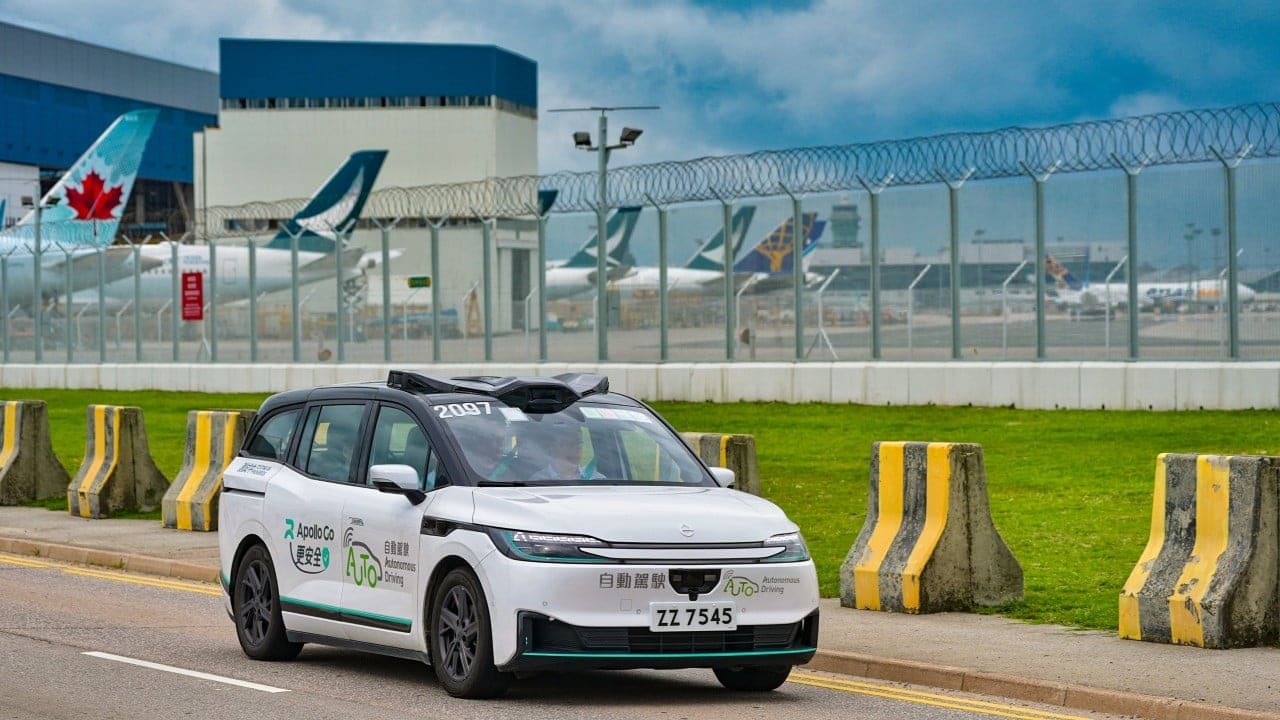
Hong Kong Greenlights Fully Autonomous Vehicle Tests at Airport
Transport Department removes backup driver requirement for driverless car trials, positioning city as testing ground for Chinese AV technology
KEY TAKEAWAYS
- ·Hong Kong's Transport Department removed the backup driver requirement for autonomous vehicle testing at the airport on July 23, creating the city's most permissive AV regulatory framework.
- ·The policy addresses transport sector labor shortages and positions Hong Kong as a potential gateway for Chinese autonomous vehicle developers seeking international market access.
- ·Airport testing offers controlled conditions before potential expansion to public roads, where pedestrian density and traffic complexity present greater technical challenges.
Regulatory Shift Accelerates AV Deployment
Hong Kong's Transport Department authorized fully autonomous vehicle testing at the city's airport on July 23, eliminating the previous requirement for backup human operators. The policy change represents the most permissive regulatory framework the territory has adopted for self-driving technology to date.
The airport environment offers controlled conditions for initial deployment: defined routes, limited pedestrian interaction, and consistent traffic patterns. These characteristics reduce variables that complicate autonomous navigation in dense urban districts, where Hong Kong's narrow streets and heavy foot traffic present formidable engineering challenges.
Testing will focus on operational scenarios including cargo transport between terminals, passenger shuttles, and service vehicle routes. The airport handles over 40 million passengers annually during normal operations, creating substantial demand for internal mobility solutions.
Cost Pressures Drive Automation Interest
Transport operators across Asia face mounting labor expenses and driver shortages. Hong Kong's logistics sector reports difficulty recruiting qualified commercial drivers, with wages rising approximately 15 percent over the past three years according to industry surveys.
Autonomous vehicles promise to address these constraints by reducing reliance on human operators for routine point-to-point transport. The technology particularly suits environments with repetitive routes and predictable conditions, characteristics that define airport ground operations.
Chinese autonomous vehicle developers have deployed commercial robotaxi services in multiple mainland cities including Beijing, Shenzhen, and Wuhan. Companies such as Baidu, Pony.ai, and WeRide operate fleets that have logged millions of kilometers in real-world conditions. These firms view Hong Kong as a potential gateway to international markets, given the city's legal framework and connectivity to global capital.
Technical Standards and Safety Protocols
The Transport Department's announcement outlined safety requirements for approved testing programs. Vehicles must demonstrate compliance with specified technical standards covering sensor systems, redundant controls, and remote monitoring capabilities. Operators must maintain real-time oversight through command centers capable of intervening if systems detect anomalies.
Testing companies must also secure insurance coverage and submit detailed safety assessments before receiving authorization. The framework mirrors regulatory approaches adopted in Singapore and parts of the United Arab Emirates, where governments have created sandboxes for controlled AV deployment.
Hong Kong's approach differs from more restrictive regimes in Japan and South Korea, where autonomous vehicles still require safety drivers in most testing scenarios. The city's willingness to permit fully driverless operation may attract developers seeking less constrained environments for validation work.
Regional Competition for AV Leadership
Singapore has positioned itself as Southeast Asia's primary autonomous vehicle testing hub, hosting trials from multiple international manufacturers. The city-state's Land Transport Authority has approved geofenced robotaxi services in designated districts and continues expanding operational zones.
Abu Dhabi and Dubai have similarly invested in AV infrastructure, offering regulatory fast-tracks and dedicated testing facilities. These jurisdictions compete for the economic spillovers associated with emerging mobility technology, including engineering jobs, data center investments, and manufacturing partnerships.
Hong Kong's advantage lies in proximity to Guangdong's automotive manufacturing base and Shenzhen's electronics supply chains. The Greater Bay Area initiative aims to integrate Hong Kong's financial and legal infrastructure with the mainland's industrial capacity, creating pathways for technology commercialization.
Whether the airport testing program expands to public roads remains uncertain. Urban deployment introduces complications absent in controlled environments: unpredictable pedestrian behavior, complex intersections, and mixed traffic including motorcycles and bicycles. Regulatory authorities will likely require extensive safety validation before permitting citywide operations.
The current framework establishes technical and administrative precedents that could inform future policy. For Chinese AV developers constrained by international trade tensions and market access barriers, Hong Kong offers a jurisdiction with international credibility and geographic proximity to development centers. The airport trials will test whether that combination can translate into sustained commercial deployment.
RELATED STORIES
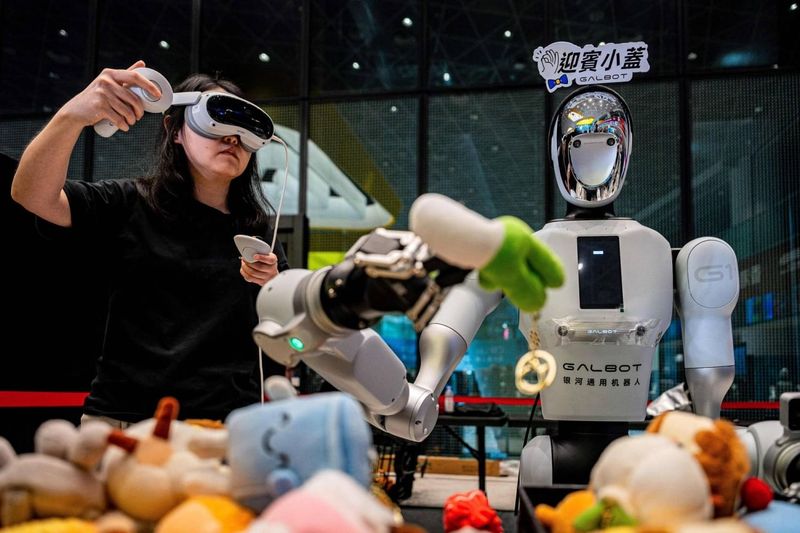
Hong Kong Debuts Robot-Run Convenience Store in Commercial Automation Push
Cheng Wei-Lun · 3 min
CaoCao Mobility Bets on Autonomous Taxis as Revenue Tops RMB 10 Billion
Cheng Wei-Lun · 3 min
Hong Kong Claims Top Asia Spot for High-Growth Startup Ecosystems
Cheng Wei-Lun · 4 min

Nio Sets 40,000-Unit Monthly Delivery Target for Q4
Anand Sundaram · 3 min
Spot something wrong? Email editor@briefasia.com. We log every correction publicly.