Asia · Business
Ho Chi Minh City Remittances Drop 23% as Global Headwinds Squeeze Overseas Transfers
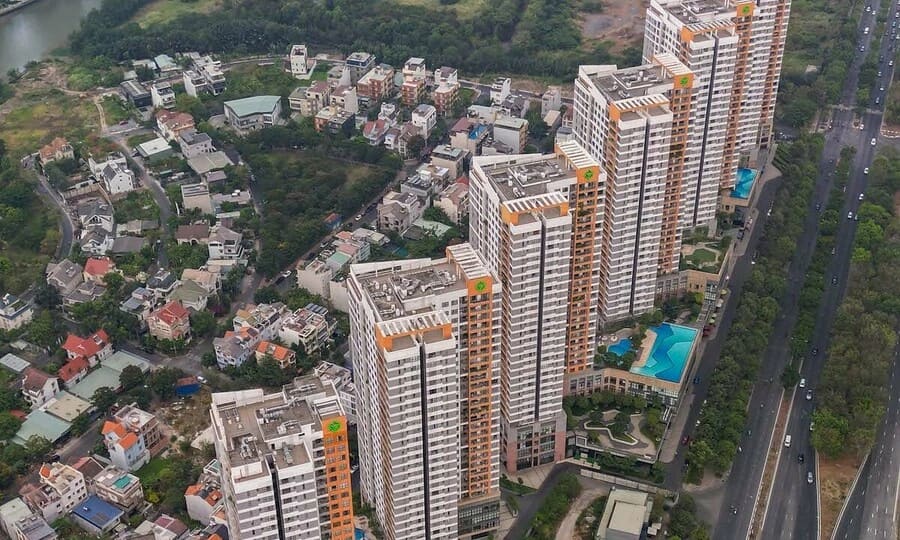
Vietnam's commercial hub recorded just over $4 billion in overseas transfers during the first half of 2026, with tighter immigration rules and shifting capital flows dampening inflows from key markets.
KEY TAKEAWAYS
- ·Ho Chi Minh City recorded $4.04 billion in remittances during the first half of 2026, down 23% year-on-year, with second-quarter inflows at $2.03 billion.
- ·Asia supplied $1.92 billion, or 47.5% of total half-year flows, followed by the Americas at $1.38 billion, while tighter immigration policies and a strong dollar weighed on transfers.
- ·The State Bank forecasts full-year remittances of $8.6 billion to $8.9 billion if global conditions stabilize and easing interest rates support a second-half rebound.
Inflows Slide Amid Stronger Dollar and Policy Shifts
Ho Chi Minh City received slightly more than $4 billion in remittances during the first six months of 2026, marking a 23% decline from the same period last year. The drop reflects a combination of global economic headwinds, tighter immigration enforcement in key destination countries, and changing preferences among overseas Vietnamese about where to park their capital.
Transfers routed through credit institutions and economic organizations reached $2.03 billion in the second quarter, up 1.4% from the first three months of the year but down 27.9% year-on-year, according to the State Bank of Vietnam's Region 2 Branch, which oversees the southern commercial hub.
Asia remained the largest contributor, accounting for $1.92 billion, or 47.5% of total inflows during the half, followed by the Americas at $1.38 billion, representing 34.1%. Oceania chipped in $418.3 million, equivalent to 10.4% of the total. Together, Asia and the Americas supplied more than 81% of remittance flows into the city.
Second-quarter data showed Asia contributing more than $1 billion, or 49.3% of that period's inflows, up 9.8% from the previous quarter. The Americas delivered $672.6 million, accounting for more than 33%. Flows from Europe, the Americas, and Oceania all declined quarter-on-quarter, leaving Asia as the primary engine of the modest sequential recovery.
Policy and Rate Environment Weigh on Transfers
Tran Thi Ngoc Lien, Deputy Director of the State Bank's Region 2 Branch, pointed to a confluence of international and domestic factors. Slower global growth, a persistently strong U.S. dollar, and stricter immigration policies in several host countries have squeezed employment opportunities, incomes, and the capacity of the Vietnamese diaspora to send money home.
The Americas, particularly the United States, a major remittance market for Ho Chi Minh City, have faced inflationary pressures, elevated living costs, and labor-market adjustments. Tax-policy changes affecting certain money-transfer transactions have added friction to cross-border flows.
On the domestic side, some investment channels have struggled to attract remittance capital. Foreign-currency deposit rates have sat at zero percent, prompting a number of overseas Vietnamese to leave funds abroad or redirect them into alternative assets. The central bank branch also noted that remittance corridors are fragmenting, with more flows moving through newer payment channels that lie outside traditional banking rails, reducing volumes captured in official statistics.
Outlook Hinges on Rate Easing and Stability
Despite the contraction, the State Bank's Region 2 Branch projects total remittances to Ho Chi Minh City could reach $8.6 billion to $8.9 billion for the full year, assuming the global economy avoids major shocks and the recovery trend observed in the second quarter holds through the second half.
That forecast would still leave 2026 inflows below levels recorded in recent years, but the central bank expects a clearer quarterly rebound supported by gradually easing international interest rates, exchange-rate stability, and the continued roll-out of banks' remittance-promotion programs.
For Vietnam, remittances represent a critical source of foreign exchange and household income, particularly in Ho Chi Minh City, where diaspora ties to the United States, Australia, and East Asian economies run deep. The extent to which policy shifts in those markets ease, and domestic deposit conditions improve, will determine whether the second-half recovery materializes at the pace officials anticipate.
RELATED STORIES
Vietnam Draws $7.5 Billion From Singapore in Seven Months
Priyanka V. Rao · 3 min
Vietnam's Trade Turnover Hits $770 Billion as Imports Surge Past Exports
Jun-ho Seo · 2 min
Samsung's Vietnam Operations Post 23% Profit Jump to $2.3 Billion
Tran Quoc Bao · 3 min
Vietnam Bets $76 Billion Funding Gap Can Lure Capital Without Copying Rivals
Priyanka V. Rao · 4 min
Spot something wrong? Email editor@briefasia.com. We log every correction publicly.