Asia · Business
Hanwha Elevates Chairman's Three Sons in Leadership Overhaul
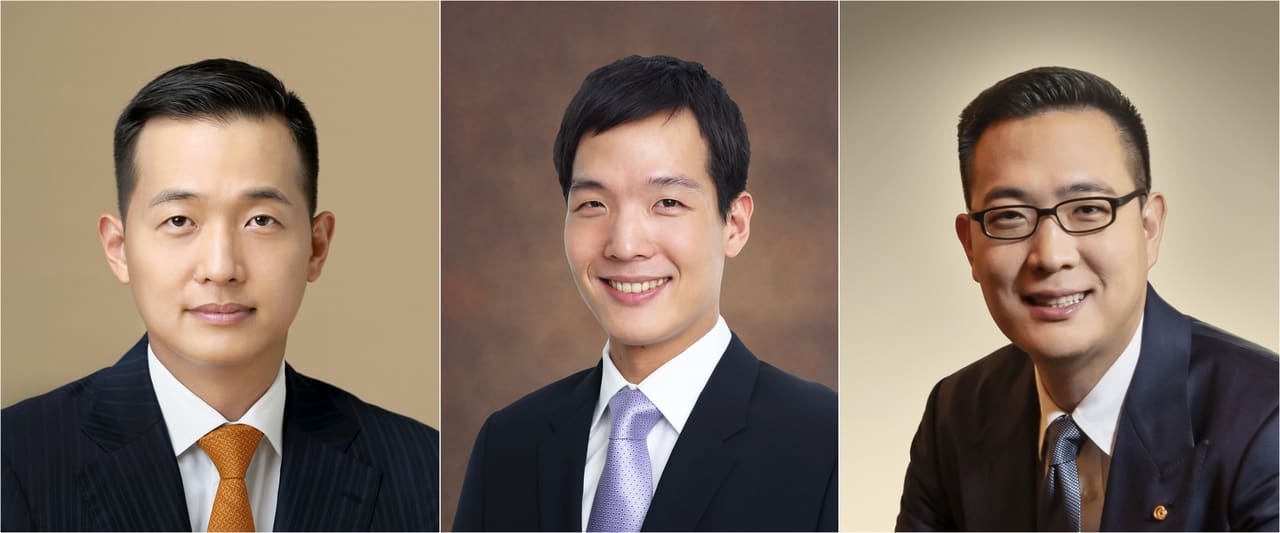
South Korea's defense-to-energy conglomerate promotes eldest son Kim Dong-kwan to executive vice chairman as family succession plan accelerates
KEY TAKEAWAYS
- ·Hanwha Group promoted Kim Dong-kwan, eldest son of Chairman Kim Seung-youn, to executive vice chairman overseeing defense, shipbuilding, and energy units.
- ·The reshuffle elevates all three sons in a distributed leadership model designed to manage governance scrutiny and operational complexity.
- ·Kim Dong-kwan's mandate spans Hanwha Aerospace, Hanwha Ocean, and Hanwha Solutions, units positioned in defense and clean energy sectors seeing significant government investment.
Succession Architecture Takes Shape
Hanwha Group announced a leadership reshuffle on Thursday that places all three sons of Chairman Kim Seung-youn in elevated executive roles, with the eldest, Kim Dong-kwan, ascending to executive vice chairman. The move marks the clearest signal yet that South Korea's seventh-largest conglomerate is accelerating its transition to third-generation control across a portfolio spanning defense contracting, shipbuilding, aerospace, renewable energy, and financial services.
Kim Dong-kwan has managed Hanwha's industrial core, including Hanwha Aerospace, Hanwha Ocean, and Hanwha Solutions. The group attributed his promotion to successful execution of international expansion initiatives and strategic deals that have repositioned the conglomerate in global defense supply chains. His elevation consolidates operational authority over units that collectively generate more than half of Hanwha's consolidated revenue.
The simultaneous promotions of his two brothers, though details remain limited, underscore a deliberate effort to distribute leadership across business lines rather than concentrate power in a single heir. This structure mirrors succession strategies at other Korean family-run conglomerates, where sibling co-leadership has become a hedge against regulatory scrutiny and operational risk.
Defense and Energy Bets Drive Growth
Hanwha's recent trajectory has been shaped by aggressive investments in defense manufacturing and clean energy infrastructure. Hanwha Aerospace supplies propulsion systems and tactical vehicles to the South Korean military and has secured contracts with NATO member states. Hanwha Ocean, formerly Daewoo Shipbuilding & Marine Engineering, emerged from restructuring in 2022 and now competes for naval shipbuilding orders across Southeast Asia and Europe.
Hanwha Solutions operates one of Asia's largest polysilicon and solar cell production networks, with manufacturing sites in South Korea, Malaysia, and the United States. The unit has benefited from policy tailwinds, including the U.S. Inflation Reduction Act's incentives for domestic clean energy manufacturing and South Korea's push to decarbonize heavy industry by 2050.
Kim Dong-kwan's oversight of these units positions him at the intersection of two sectors where governments across Asia and the West are deploying capital at scale. Defense budgets in Japan, Taiwan, and Australia have climbed in response to regional security concerns, while solar and battery supply chains are being redrawn to reduce dependence on China. Hanwha's ability to navigate export controls, subsidy regimes, and joint venture requirements will determine whether it can convert this moment into durable market share.
Family Control and Governance Questions
The promotions arrive as South Korean regulators and shareholder activists continue to press conglomerates on governance reforms. The country's Fair Trade Commission has tightened rules around intra-group transactions and cross-shareholding structures that enable founding families to control affiliates with minimal equity stakes. Hanwha's ownership architecture, like those of Samsung, Hyundai, and LG, relies on circular shareholdings and strategic affiliates to maintain family influence.
Kim Seung-youn, who took over Hanwha in 1981, has faced legal challenges in the past, including a conviction for embezzlement in 2007, though he received a presidential pardon in 2010. His decision to elevate all three sons rather than anoint a single successor may reflect lessons learned from succession battles at rival groups, where sibling disputes have spilled into courtrooms and boardrooms.
The reshuffle also comes as Hanwha pursues acquisitions and partnerships that require board-level coordination. The group has explored deals in battery materials, satellite technology, and liquefied natural gas infrastructure, areas where capital intensity and regulatory complexity demand cohesive leadership. Whether the three-son structure enables faster decision-making or introduces friction will become apparent as these initiatives move from term sheets to integration.
What Comes Next
Hanwha's leadership transition unfolds against a backdrop of heightened competition in both defense and energy. Korean shipbuilders face rivals in China and Japan for naval contracts, while European and American defense primes are expanding into markets Hanwha has courted. In solar manufacturing, Chinese producers retain cost advantages despite tariffs and trade barriers, and battery supply chains are fragmenting along geopolitical lines.
The group's ability to maintain growth will hinge on execution in these contested arenas. Kim Dong-kwan's track record in deal-making and operational oversight will be tested as Hanwha navigates export licensing regimes, localizes production to meet subsidy requirements, and manages labor relations in newly acquired facilities. The promotions signal continuity in strategy, but the real measure of succession will be whether the next generation can sustain momentum when policy winds shift or markets turn.
RELATED STORIES
South Korea's Export Surge Powers Economic Upturn Through Third Quarter
Jun-ho Seo · 4 min
South Korea Targets $40,000 Per Capita Income as GDP Growth Accelerates
Jun-ho Seo · 4 min
South Korea Breaks Full-Year Export Record in September
Tran Quoc Bao · 3 min

SK Chemicals Targets Europe's Can-Coating Shift After BPA Ban
Cheng Wei-Lun · 2 min
Spot something wrong? Email editor@briefasia.com. We log every correction publicly.