Real Estate · Offices
Hang Lung Properties Reports Profit Drop Amid Mainland Office Weakness
Hong Kong developer's first-half earnings fell 10% despite record shopping mall rents, as property sale losses and higher finance costs weighed on results
KEY TAKEAWAYS
- ·Hang Lung Properties reported underlying net profit of HK$1.44 billion for the first half of 2026, a 10% decline year-on-year despite revenue rising 23% to HK$6.11 billion.
- ·Record shopping mall rental income could not offset losses from property sales, higher finance costs, and continued weakness in mainland China office markets.
- ·The divergent performance between retail and office assets highlights sector-specific pressures in Greater China commercial real estate as consumption properties outperform workspace demand.
Mixed Results for Hong Kong Developer
Hang Lung Properties posted declining earnings in the first half of 2026, caught between diverging fortunes in its property portfolio. The Hong Kong-based developer reported underlying net profit of HK$1.44 billion (US$184 million) for the six months ended June 30, down 10% year-on-year, according to company announcements.
Revenue climbed 23% to HK$6.11 billion over the period, driven largely by residential unit handovers at Hong Kong projects including The Aperture. The topline growth, however, failed to translate into bottom-line gains as multiple headwinds compressed margins.
Retail Strength, Office Strain
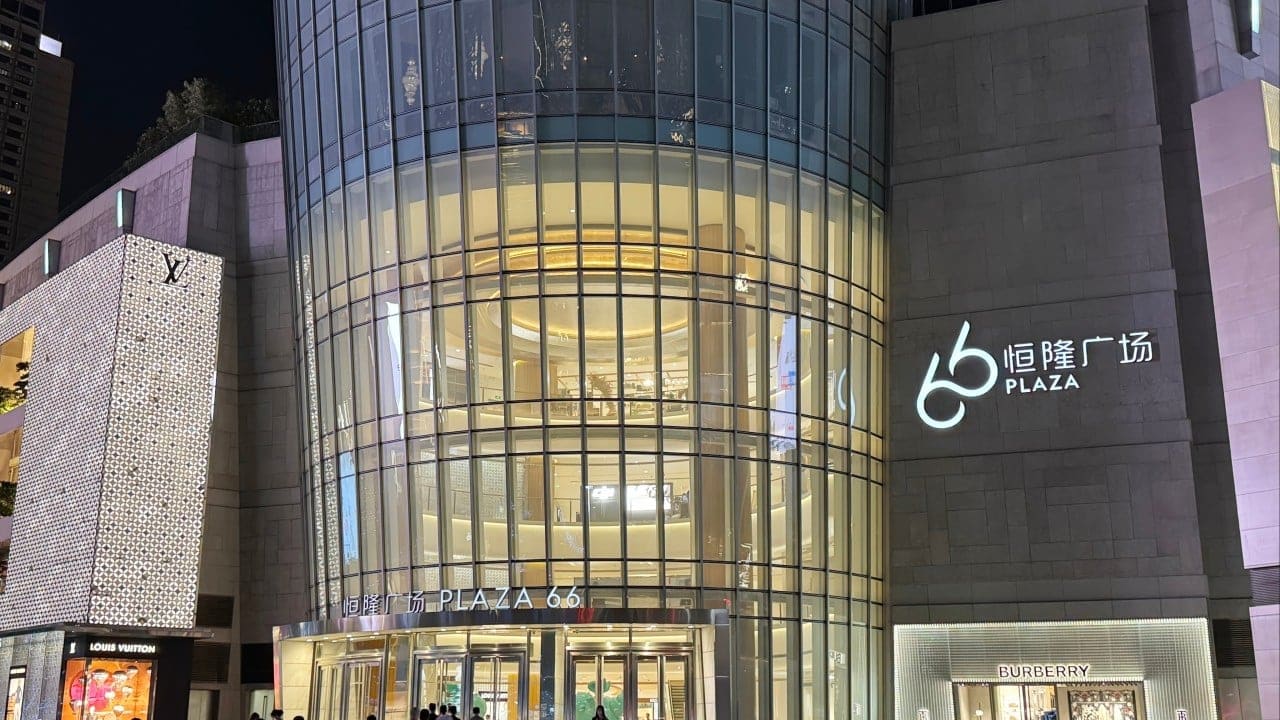
The developer's shopping mall operations delivered record rental income, reflecting resilient consumer spending in key Chinese cities where Hang Lung operates premium retail destinations. The company's portfolio includes flagship properties in Shanghai, Wuxi, Tianjin, Shenyang, Jinan, and Kunming.
Yet this retail momentum could not offset weakness elsewhere. Mainland China office assets underperformed, with occupancy and rental rates remaining under pressure in several markets. The commercial real estate sector across Chinese cities has faced headwinds from oversupply and shifting corporate demand patterns, particularly as firms adjust space requirements post-pandemic.
Property sale operations generated losses during the period, a reversal from contribution in previous quarters. The residential development segment has contended with tighter buyer sentiment and regulatory constraints affecting pricing power in Hong Kong's property market.
Rising Finance Burden
Higher finance costs further eroded profitability. Interest expenses increased as the developer manages debt obligations amid elevated borrowing rates compared to the low-rate environment of recent years. The cost of capital has become a more significant factor for property firms across the region, particularly those with development pipelines requiring ongoing funding.
Hang Lung's financial structure reflects its dual-market exposure, with assets spanning Hong Kong and nine mainland Chinese cities. This geographic spread offers diversification but also exposes the firm to distinct regulatory environments and market cycles in each jurisdiction.
Portfolio Strategy Under Scrutiny
The earnings split highlights the divergence between asset classes in Greater China real estate. Retail properties anchored by luxury and mid-market brands have demonstrated resilience, supported by domestic consumption and tourism recovery in major cities. Office properties face longer-term questions about demand density and pricing.
Hang Lung has historically positioned itself as a long-term landlord focused on premium commercial properties rather than speculative development. The company typically retains ownership of completed projects, building recurring rental income rather than pursuing turnover from sales.
This strategy insulates the firm from residential market volatility but makes performance more dependent on sustained occupancy and rental growth across its existing portfolio. The current period illustrates the challenge when one asset class - offices - lags while another - retail - performs.
Outlook Factors
Several variables will shape Hang Lung's trajectory through the second half. Mainland office markets will need to stabilize for the portfolio to regain balance. Retail momentum must continue, requiring sustained consumer confidence in Chinese cities where the developer operates malls.
Finance costs will remain a factor as long as interest rates stay elevated relative to the previous cycle. The company's ability to manage debt refinancing and optimize its capital structure will influence margin recovery.
Property sales contribution depends on both project pipeline timing and market absorption capacity in Hong Kong, where buyer sentiment remains sensitive to economic outlook and affordability pressures.
The developer's results offer a snapshot of bifurcated real estate fundamentals across asset types in Greater China, where consumption-driven properties have decoupled from office and, in some cases, residential performance.
RELATED STORIES
Hong Kong Awards First Northern Metropolis Land to Mainland-Local Consortium
Cheng Wei-Lun · 3 min
Hong Kong Property Prices Forecast to Climb 15% as Buyers Return
Tran Quoc Bao · 3 min
Sino Land Posts 14% Profit Increase Despite Core Business Headwinds
Cheng Wei-Lun · 3 min

Hong Kong Wealth Hub Resilient Despite Beijing Investment Restrictions
Cheng Wei-Lun · 3 min
Spot something wrong? Email editor@briefasia.com. We log every correction publicly.