Asia · Business
General Motors Turns Profitable in China After Seven Quarters
Early restructuring and shift from volume to defensive operations shield GM from price war battering rivals across Asia's largest auto market
KEY TAKEAWAYS
- ·General Motors reported seven consecutive profitable quarters in China through Q2 2026, defying a price war that has pressured European, US, Japanese, and South Korean competitors.
- ·The profitability stems from early restructuring that prioritized margins over market share, pulling back from low-margin segments dominated by Chinese EV makers.
- ·GM's defensive strategy offers a template for foreign automakers in China, though replicating it requires accepting a smaller market footprint and reduced volume.
Seven-Quarter Streak Amid Market Chaos
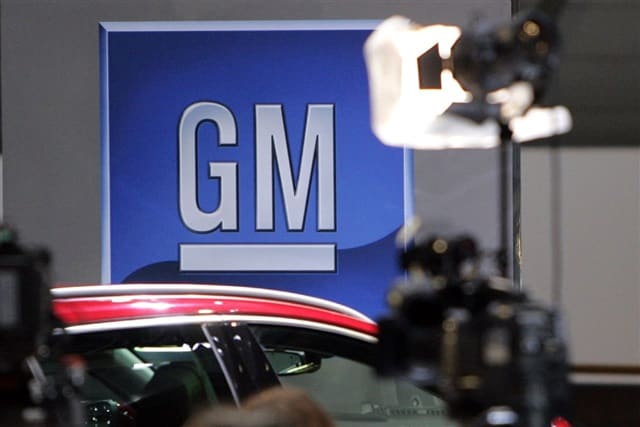
General Motors posted its seventh consecutive profitable quarter in China during Q2 2026, a rare achievement as the world's largest automotive market remains locked in a brutal price war that continues to erode earnings for European, American, Japanese, and South Korean manufacturers. The Detroit automaker's results, announced in its second-quarter earnings, underscore how early strategic repositioning has allowed it to preserve profitability even as competitors struggle to stay above water.
The sustained profitability marks a sharp reversal for GM, which spent years bleeding market share in China as local electric vehicle makers surged and price competition intensified. According to the company, the turnaround stems from a fundamental shift in operating philosophy: abandoning the pursuit of volume in favor of a leaner, margin-focused approach that reduces exposure to the market's most cutthroat segments.
Restructuring Over Scale
GM's China restructuring began well before many rivals acknowledged the severity of the pricing environment. The company streamlined its joint-venture operations, trimmed product portfolios, and pulled back from low-margin mass-market categories where domestic brands like BYD and Geely hold structural cost advantages. Instead of chasing unit sales, the automaker concentrated resources on higher-margin SUVs and vehicles where its brand positioning still commands pricing power.
This defensive posture contrasts sharply with strategies employed by European and Japanese incumbents, many of which have continued to pour capital into China in hopes of regaining lost ground. Volkswagen, Toyota, and Hyundai have all reported declining profitability in the region over the past year, pressured by discounting that in some segments has pushed transaction prices down by double-digit percentages year-on-year.
The price war, which intensified in late 2025 and shows no signs of abating, has been driven primarily by overcapacity and fierce competition among Chinese EV startups vying for scale. Established foreign brands have been caught in the crossfire, forced to choose between matching steep discounts or ceding volume. GM's decision to step back from that fight has cost it market share but preserved cash flow at a time when capital preservation matters more than top-line growth.
Implications for Foreign Automakers
GM's profitability run offers a template for other foreign automakers navigating China's hostile pricing environment, though replicating the strategy requires accepting a smaller footprint. The company's success suggests that selective retreat can be more viable than attempts to defend legacy market positions through subsidized pricing, particularly as Chinese brands continue to gain technological and manufacturing advantages in electrification.
For investors, the results provide a measure of reassurance that GM can generate returns from China even without commanding the double-digit market share it once held. The company has not disclosed specific margin figures for its China operations, but the streak of profitable quarters indicates that restructuring costs have been absorbed and the slimmed-down operation is generating positive cash flow.
The broader question facing the industry is whether GM's approach is sustainable or merely a temporary respite. China's automotive market is expected to see further consolidation, with weaker domestic players likely to exit and surviving brands gaining pricing power. If that consolidation materializes, GM's defensive posture may prove prescient. If the price war drags on for years, even a lean operation may find profitability difficult to maintain.
What Comes Next
GM has not announced plans to expand its China footprint in the near term, signaling that management views the current strategy as appropriate for the foreseeable environment. The company continues to invest selectively in electric and connected vehicle technology through its joint ventures, but the days of betting big on China volume growth appear over.
Other foreign automakers are now watching closely. Stellantis, Ford, and Honda have all hinted at reviews of their China operations, and GM's results may accelerate decisions to downsize or restructure. The lesson from Detroit is clear: in a market defined by relentless price pressure and entrenched local competitors, survival may depend on knowing when to pull back rather than double down.
RELATED STORIES
India's Chinese Import Bill Climbs Despite Self-Reliance Push
Priyanka V. Rao · 3 min
China's August Inflation Accelerates on Energy and Typhoon Disruption
Tran Quoc Bao · 2 min
China Imposes Anti-Dumping Measures on Japanese Semiconductor Chemical Imports
Jun-ho Seo · 3 min

China's Social Security Fund Doubles Offshore Holdings to $86 Billion
Jun-ho Seo · 3 min
Spot something wrong? Email editor@briefasia.com. We log every correction publicly.