Finance · Fintech
GCash Cuts InstaPay Transfer Fee to ₱10 After Central Bank Directive
The Philippines' largest e-wallet joins digital bank Maya in reducing interbank transfer costs, following a BSP deadline on fee harmonization.
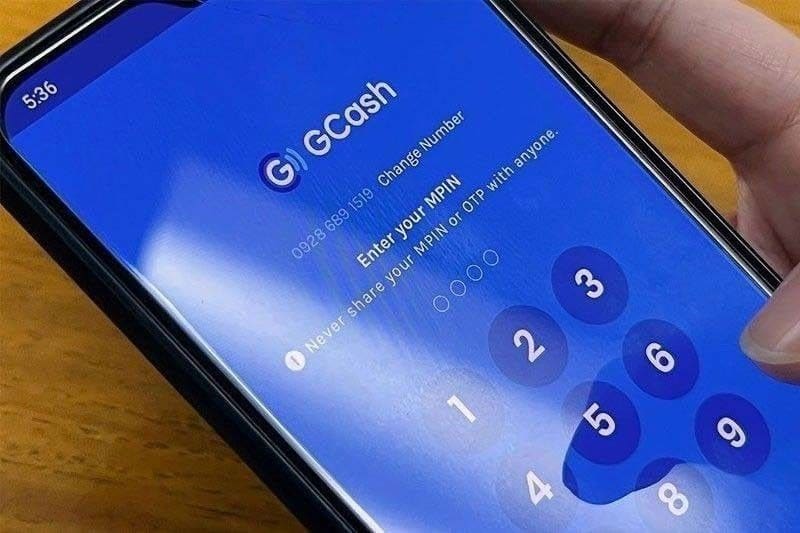
KEY TAKEAWAYS
- ·GCash reduced its InstaPay transfer fee from ₱15 to ₱10 effective July 4, cutting interbank transaction costs by 33 percent for users.
- ·The change follows a Bangko Sentral ng Pilipinas directive with a July 4 deadline requiring financial institutions to narrow fee gaps between interbank and intrabank transfers.
- ·Digital bank Maya implemented an identical ₱10 InstaPay fee on the same day, with the central bank expecting broader industry adoption in coming weeks.
Fee Reduction Takes Effect
GCash lowered its InstaPay transfer fee to ₱10, effective July 4, down from the previous ₱15 charge. The fintech company announced the change in its updated transfer guidelines, which apply to all interbank transactions routed through InstaPay, the Philippine real-time payment system.
The adjustment affects individual transfers up to ₱50,000 per transaction, with no minimum amount required. Users sending money to accounts at other banks will now pay one-third less per transfer than under the previous pricing structure.
Central Bank Mandate Drives Change
The fee cut follows a Bangko Sentral ng Pilipinas memorandum circular that set July 4 as the deadline for financial institutions to revise their transfer pricing. The directive targets the cost disparity between interbank and intrabank transactions, aiming to make cross-institution transfers more affordable for consumers.
Maya, a digital bank operating in the Philippines, implemented an identical ₱10 InstaPay fee on the same day. The central bank expects additional banks to announce similar reductions in the coming weeks as compliance with the circular takes effect across the sector.
Intra-Network Transfers Remain Free
GCash has not changed its policy for transfers between GCash accounts. Users continue to receive 500 free send and receive transactions per month within the GCash network. Accounts exceeding this threshold face a ₱5 fee for additional transactions, a pricing tier that remains unchanged.
The distinction between intra-network and interbank fees reflects the cost structure of the Philippine payments ecosystem. InstaPay transactions require routing through the national clearing system, while wallet-to-wallet transfers within GCash occur on the company's proprietary rails.
Market Context and Competitive Pressure
GCash processed more than 9.2 billion transactions in 2025, according to parent company Mynt, which recently filed for a ₱92.3 billion initial public offering on the Philippine Stock Exchange. The e-wallet holds a dominant position in the Philippine fintech market, with over 90 million registered users as of the first quarter of 2026.
The fee adjustment arrives at a moment of increasing regulatory scrutiny on digital payment platforms. The BSP has prioritized financial inclusion and cost reduction as key policy goals, particularly for remittances and person-to-person transfers that form a significant share of transaction volume in the Philippine economy.
Maya's simultaneous fee cut signals coordinated industry movement in response to the central bank directive. Both platforms compete directly for retail customers in the Philippines, where mobile wallet adoption has grown rapidly over the past five years.
What This Means for Users
For frequent users of interbank transfers, the ₱5 reduction represents a 33 percent cost saving per transaction. A customer making ten InstaPay transfers per month will save ₱50, or ₱600 annually, under the new fee structure.
The change also narrows the price gap between intra-network and interbank transfers. While GCash-to-GCash transactions remain free within the monthly allowance, the ₱10 InstaPay fee is now only twice the ₱5 charge applied to over-quota intra-network transfers, compared to the previous threefold difference.
The BSP's expectation of broader industry adoption suggests that customers of traditional banks may see similar fee reductions in the near term, potentially reshaping the competitive landscape for retail payment services in the Philippines. The directive effectively caps the premium that institutions can charge for cross-network transactions, reducing a longstanding friction point in the country's digital payments infrastructure.
RELATED STORIES
GCash Parent Mynt Wins SEC Approval for $1.6 Billion Manila IPO
Tran Quoc Bao · 3 min
GCash IPO Could Turn Users Into Shareholders
Mariel D. Santos · 3 min
Philippine Stock Index Falls Below 6,000 as Rate Increase and Currency Pressure Mount
Priyanka V. Rao · 3 min
Philippine Currency Hits All-Time Low Against the Dollar
Priyanka V. Rao · 4 min
Spot something wrong? Email editor@briefasia.com. We log every correction publicly.