Finance · Fintech
GCash Rolls Out Cashback to Push Digital Fare Payments on Manila Rail Lines
The Philippines' largest e-wallet is offering up to 30 percent back on rides as it expands cashless commuting infrastructure across Metro Manila's transit network.
KEY TAKEAWAYS
- ·GCash is offering LRT-2 riders 20 percent cashback and new MRT-3 users 30 percent back on their first three rides when paying via QR code through August 20, 2026.
- ·The promotion targets verified account holders and is part of a broader push to digitize fare payments on Metro Manila's rail network, which serves over 500,000 daily passengers.
- ·Success will depend on whether commuters continue using digital payments after cashback incentives expire, with convenience and speed critical to long-term adoption.
Digital Wallet Incentives Target Daily Commuters
GCash has launched cashback promotions for commuters on two of Metro Manila's busiest rail lines, marking the latest phase in the Philippine e-wallet giant's campaign to shift everyday transit payments from cash to digital channels.
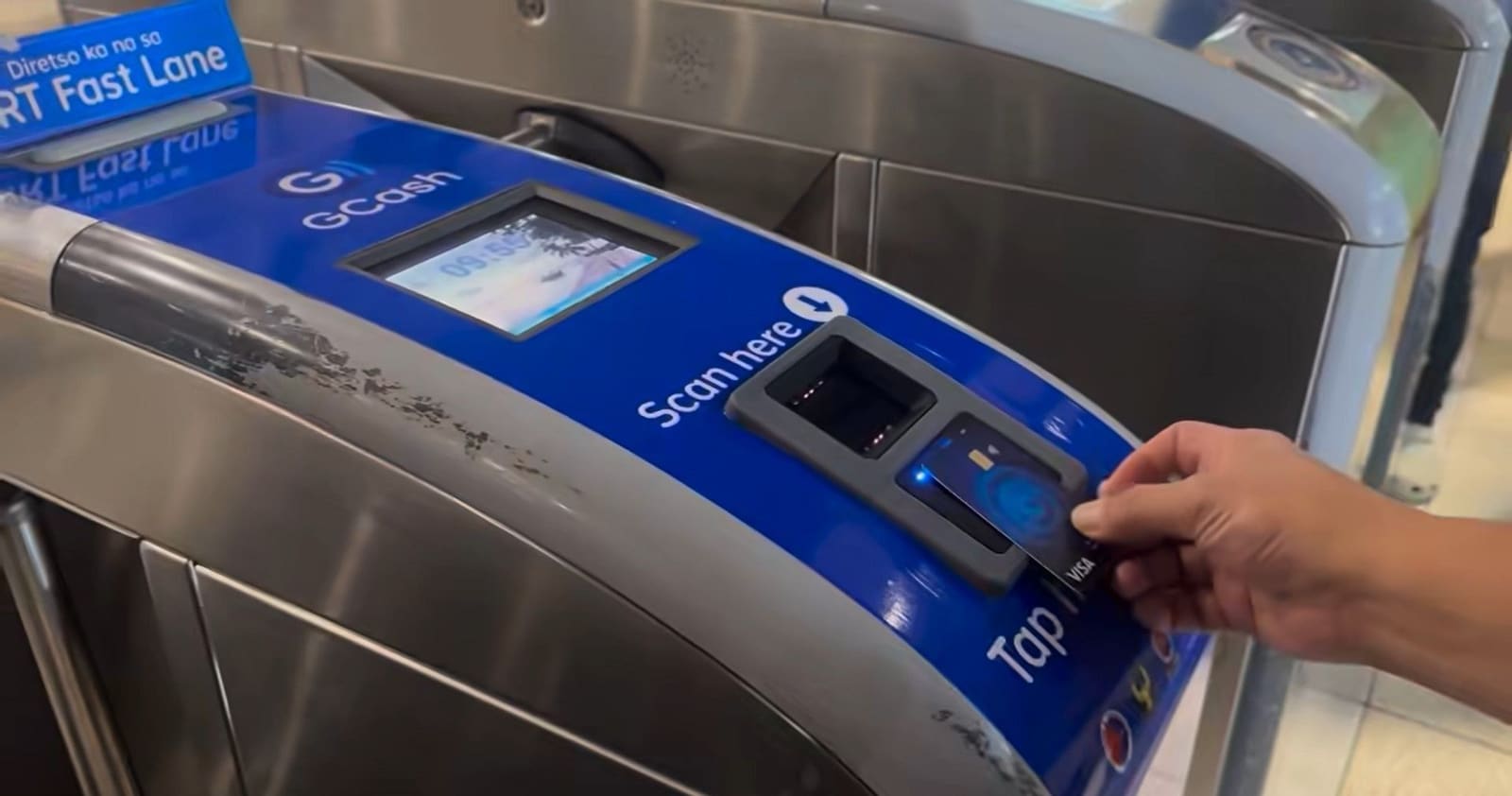
From July 20 through August 20, 2026, fully verified GCash account holders can claim rebates when they pay train fares using the platform's Commute QR feature. Light Rail Transit Line 2 riders receive a flat 20 percent cashback on all journeys, while Metro Rail Transit Line 3 users new to the service earn 30 percent back on their first three trips.
The promotion applies exclusively to users who have completed identity verification and maintain active accounts. Payment is processed by scanning a QR code at station gates, bypassing the need for physical stored-value cards or cash transactions at ticket counters.
Friction Reduction as Growth Strategy
GCash framed the initiative as part of a broader effort to remove pain points in daily financial interactions, particularly for the millions who rely on Metro Manila's congested rail network. The company positions the cashback not as a discount but as an inducement to trial behavior change.
"Innovation is most meaningful when it removes everyday friction and makes essential services more accessible," said Ferdie Perez, vice president and head of innovation at GCash. The company views public transportation as a high-frequency use case that can cement digital payment habits once users experience the speed advantage over queuing for tickets.
The Philippines has seen uneven adoption of cashless payments outside retail and food service. Transit systems, particularly those serving lower-income commuters, have lagged behind in deployment of contactless infrastructure. GCash's QR-based approach sidesteps the need for costly near-field communication hardware, relying instead on printed codes and smartphone cameras.
Regional Context and Competitive Pressure
The move comes as Southeast Asian super-apps intensify competition for everyday transaction volume. In neighboring markets, Grab and Gojek have embedded transit payments into their platforms, while Singapore's SimplyGo and Thailand's Rabbit LINE Pay have achieved significant rail penetration.
GCash holds a commanding share of the Philippine digital wallet market, but sustaining growth requires expanding beyond peer-to-peer transfers and e-commerce into habitual, low-value transactions. Transit fares represent exactly that, a predictable, repeat-use case that generates data and locks in platform stickiness.
The company has been working with the Department of Transportation and rail operators to deploy QR acceptance infrastructure across Manila's aging train network. LRT-2 and MRT-3 together serve over 500,000 passengers daily during peak periods, though ridership remains below pre-pandemic levels.
Infrastructure and Inclusion Trade-Offs
While the cashback offer is limited to verified users, the verification requirement itself poses a barrier. Financial inclusion advocates have noted that digital ID and proof-of-address requirements, necessary for anti-money laundering compliance, can exclude informal workers and migrants who lack documentation.
GCash has not disclosed what share of its user base holds fully verified accounts, nor how many have activated the Commute QR feature since its rollout. The 30-day promotion window is short, suggesting the campaign is designed more for trial and data collection than long-term subsidy.
The company said it continues discussions with additional transport operators to extend cashless payment options beyond the two rail lines currently covered. Buses, jeepneys, and provincial routes remain largely cash-dependent, though several pilot programs are underway.
What Comes After the Cashback Ends
The sustainability of digital fare adoption will hinge on whether commuters continue using QR payments once incentives expire. Behavioral economics research suggests cashback is effective at driving initial trial, but convenience and speed must deliver ongoing value to prevent reversion to cash.
For GCash, success is measured not just in transaction volume but in the frequency and retention metrics that underpin its valuation as a fintech platform. Every train ride paid through the app is a data point, a touchpoint, and a potential gateway to credit, insurance, or investment products the company is building out.
Metro Manila's rail system, chronically underfunded and overcrowded, is an unlikely testing ground for digital financial services. But in a city where millions commute daily and cash remains king, the convergence of transit and fintech may define the next chapter of financial inclusion in the Philippines.
RELATED STORIES
GCash Parent Mynt Clears Final Regulatory Hurdle for Manila IPO
Mariel D. Santos · 3 min
GCash Parent Mynt Wins SEC Approval for $1.6 Billion Manila IPO
Tran Quoc Bao · 3 min
GCash IPO Price Expected to Settle Below Maximum Offer Range
Jun-ho Seo · 3 min
GCash IPO Could Turn Users Into Shareholders
Mariel D. Santos · 3 min
Spot something wrong? Email editor@briefasia.com. We log every correction publicly.