Finance · Markets
Former S&P Global Executive Calls for BOJ Rate Hike to 1.5%
Paul Sheard argues Japan's central bank should move beyond current accommodative policy as economic conditions evolve
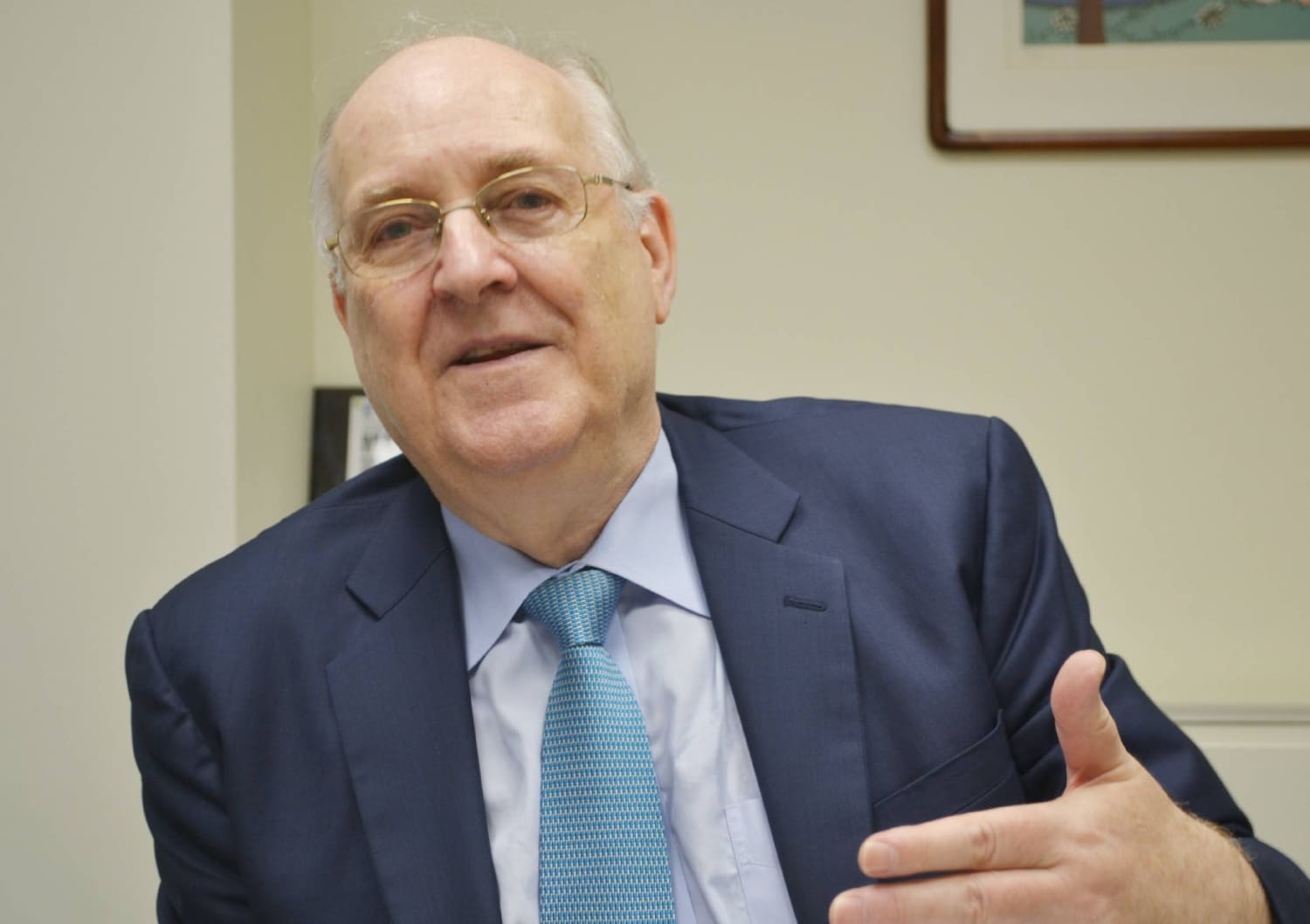
KEY TAKEAWAYS
- ·Paul Sheard, former executive vice president at S&P Global, has urged the Bank of Japan to raise its policy rate to 1.5%, a significant increase from current levels.
- ·The recommendation comes as Japan faces changing economic conditions including persistent inflation above the 2% target and evolving wage dynamics.
- ·A BOJ rate hike to 1.5% would narrow the gap with U.S. rates and carry implications for capital flows and monetary policy across Asia.
A Push for Tighter Monetary Policy
Paul Sheard, who previously served as executive vice president at S&P Global, has called on the Bank of Japan to lift its policy rate to 1.5%, marking one of the more aggressive rate recommendations from a prominent economist in recent months. The proposal represents a substantial departure from the near-zero and negative interest rate policies that have characterized Japan's monetary landscape for much of the past decade.
Sheard's recommendation comes at a time when the BOJ faces mounting pressure to recalibrate its monetary stance. The central bank has maintained ultra-accommodative policy settings longer than most of its global peers, even as inflation has picked up and other major central banks have tightened aggressively.
The Case for Higher Rates
The rationale behind Sheard's 1.5% target reflects broader concerns about Japan's economic trajectory and the effectiveness of prolonged monetary stimulus. A policy rate at that level would represent a significant increase from current settings, potentially marking the end of an era defined by unconventional monetary policy tools and yield curve control.
Japan's economic conditions have shifted in recent years. Inflation, once a distant goal for policymakers, has become a reality. Wage growth, though still moderate by international standards, has shown signs of strengthening. The yen's depreciation has added complexity to the policy calculus, boosting export competitiveness while raising import costs for households and businesses.
Regional Implications
The debate over BOJ policy carries weight beyond Japan's borders. As the world's third-largest economy, Japan's monetary policy decisions ripple through Asian financial markets and influence capital flows across the region. A move to 1.5% would narrow the interest rate differential with the United States and potentially strengthen the yen, affecting trade dynamics throughout Asia.
Other regional central banks watch Tokyo closely. Singapore's monetary authority, the Reserve Bank of India, and Bank Indonesia have all navigated their own tightening cycles over the past two years. A more hawkish BOJ could validate the regional trend toward policy normalization and provide cover for further adjustments elsewhere.
The Path Forward
The BOJ has moved cautiously on rate adjustments, mindful of Japan's debt burden and the fragility of its economic recovery. Governor Kazuo Ueda has emphasized a data-dependent approach, watching wage negotiations and inflation trends before committing to further tightening. The central bank's next moves will depend on whether recent price pressures prove sustainable and whether wage growth can keep pace.
Sheard's call for a 1.5% rate adds to a growing chorus of voices urging more decisive action. Whether the BOJ follows such advice remains uncertain, but the debate itself signals a fundamental shift in how economists and policymakers view Japan's monetary policy needs after decades of deflation-fighting measures.
The coming months will test the central bank's resolve. With inflation still above the 2% target and the yen under periodic pressure, the case for further tightening remains on the table. How aggressively the BOJ moves will shape not only Japan's economic trajectory but also the broader landscape for Asian monetary policy.
RELATED STORIES
Bank of Japan Signals Possible Rate Increase This Month
Aiko Nakamura · 3 min
Bank of Japan Prepares Third Rate Increase in Ten Months
Aiko Nakamura · 3 min

Japan Wage Growth Hits 29-Year High, Reinforcing Central Bank Rate Path
Aiko Nakamura · 3 min
Bank of Japan to Continue Rate Increases to Anchor Inflation at 2 Per Cent
Aiko Nakamura · 3 min
Spot something wrong? Email editor@briefasia.com. We log every correction publicly.