Finance · Markets
Foreign Investors Pour RM11 Million Into Bursa Malaysia After Week of Selling
Financial services, healthcare, and logistics sectors led inflows as international money managers returned to Malaysian equities
KEY TAKEAWAYS
- ·Foreign investors recorded RM11.1 million in net inflows into Bursa Malaysia after a week of selling, with Friday seeing the largest single-day inflow at RM131.5 million.
- ·Financial services led sector inflows at RM216.5 million, followed by healthcare at RM148.0 million, while industrial products and technology saw combined outflows exceeding RM355 million.
- ·Local institutions returned to net buying with RM48.1 million in purchases after three weeks of selling, while retail investors flipped to net outflows of RM59.1 million.
Capital Reversal
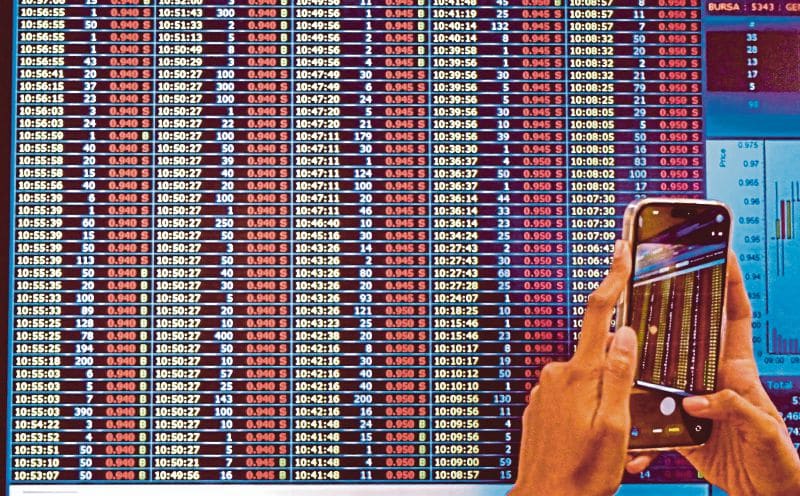
Foreign investors swung back to net buying on Bursa Malaysia, injecting RM11.1 million into the exchange after pulling capital the previous week, according to data from MBSB Research. The shift marks a reversal in sentiment toward Malaysian equities, with international funds turning positive on three of the five trading sessions.
Friday delivered the largest single-day inflow at RM131.5 million, followed by Thursday's RM76.2 million and a modest RM0.2 million on Monday. The week saw two days of outflows: Tuesday recorded the heaviest selling at RM167.8 million, while Wednesday saw RM29.0 million exit the market.
Sector Rotation
Financial services dominated foreign appetite, pulling in RM216.5 million in net inflows over the week. Healthcare followed with RM148.0 million, while transportation and logistics attracted RM107.4 million. The concentration in financials suggests renewed confidence in Malaysian banking fundamentals, particularly as regional peers face margin pressure from central bank policy shifts.
On the exit side, industrial products and services bore the brunt of selling, shedding RM191.7 million in foreign capital. Technology stocks lost RM164.0 million, and plantation counters saw RM32.8 million in withdrawals. The tech sector pullback aligns with broader regional trends as investors reassess valuations amid uncertain export demand.
Domestic Money Moves
Local institutional investors ended a three-week selling streak, recording RM48.1 million in net purchases. The domestic institutional return provides a counterweight to retail investors, who flipped to net sellers after a brief buying window the previous week. Retail outflows totaled RM59.1 million, suggesting individual investors took profits or reallocated ahead of corporate earnings season.
Volume Dynamics
Average daily trading volume climbed across most investor categories, though the composition shifted. Foreign institutional activity jumped 29.9 percent, signaling heightened conviction or position adjustments. Local institutions increased participation by 3.6 percent, while retail volume dipped 5.6 percent, consistent with the net selling pattern.
The volume surge among foreign players, despite modest net inflows, points to active repositioning rather than passive accumulation. The gap between gross turnover and net flows suggests funds rotated out of industrials and tech into financials and healthcare rather than simply adding exposure.
Regional Context
Malaysia's equity market sits at the intersection of competing forces: a resilient domestic economy, sticky inflation that limits rate-cut room, and global growth concerns that weigh on export-oriented sectors. The foreign return, though modest in absolute terms, contrasts with continued outflows from some Southeast Asian peers facing political uncertainty or currency volatility.
The financial sector inflows may reflect expectations that Malaysian banks can sustain net interest margins longer than regional competitors, given the country's later rate-cutting cycle. Healthcare's appeal likely ties to defensive characteristics and exposure to medical tourism recovery, a theme gaining traction across Asia's emerging markets.
Foreign funds have been selective across Asia this year, favoring markets with clear catalysts or valuation support. Malaysia's price-to-earnings multiple remains below regional averages, offering a margin of safety for investors willing to navigate a more subdued growth outlook compared to Vietnam or India.
The week's data suggests foreign appetite is returning, but theflows remain tentative and sector-specific. Whether this marks the start of sustained inflows or a tactical bounce will depend on earnings momentum, currency stability, and how Malaysian corporates navigate the export slowdown affecting industrials and technology.
For now, the shift back to net buying provides a psychological lift for Bursa, even as the modest size of the inflows underscores that conviction remains fragile.
RELATED STORIES
Malaysian Engineering Firm Pioneer Heat Sees 26% Pop on Kuala Lumpur Debut
Priyanka V. Rao · 5 min

K-One Technology Shares Surge 15% on RM94 Million Subsidiary Sale Vote
Tran Quoc Bao · 3 min
Malaysian Equities Climb in Morning Session as Regional Investors Weigh Oil Price Rally
Anand Sundaram · 3 min
Public Bank Leads Malaysian Banking Sector on Capital Efficiency
Priyanka V. Rao · 2 min
Spot something wrong? Email editor@briefasia.com. We log every correction publicly.