Finance · Deals
Malaysian Engineering Firm Pioneer Heat Sees 26% Pop on Kuala Lumpur Debut
The mechanical services provider's ACE Market listing drew retail interest 47 times oversubscribed, signalling continued appetite for mid-cap industrial plays in Southeast Asia's oil and gas supply chain.

KEY TAKEAWAYS
- ·Pioneer Heat Holdings opened at 25.5 sen and climbed to 31.5 sen intraday on Bursa Malaysia's ACE Market, a 26 per cent gain from its IPO price.
- ·The public tranche was oversubscribed 47.8 times, and the company raised RM21.68 million to fund working capital, equipment purchases and new offices in Negeri Sembilan and Sarawak.
- ·The firm provides mechanical engineering services including heat treatment and non-destructive testing to Malaysia's oil and gas, petrochemical and utility sectors.
Strong Debut on Bursa's Growth Board
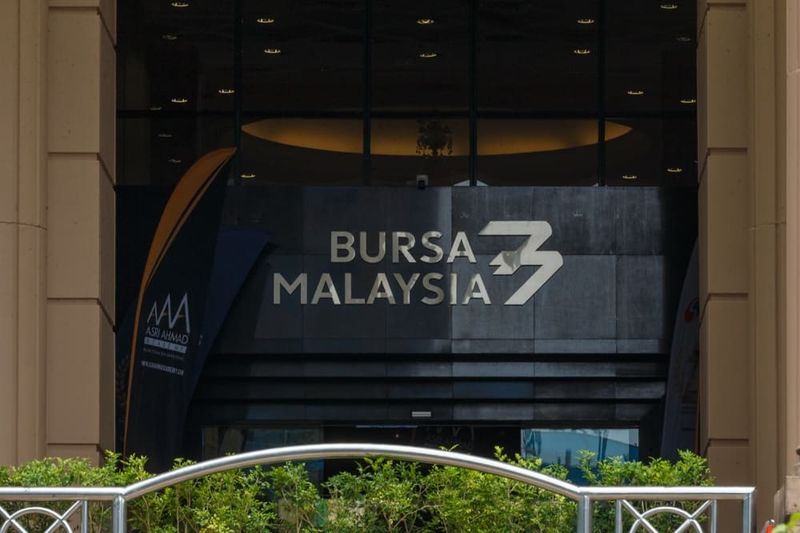
Shares of Pioneer Heat Holdings Bhd opened at 25.5 sen on the ACE Market on 17 September, edging half a sen above the offer price of 25 sen. Within the first minutes of trading, the stock surged to an intraday peak of 31.5 sen, marking a 26 per cent gain from the listing price. By mid-morning the counter was changing hands at 31 sen, holding most of that early momentum.
Volume was brisk: more than 38 million shares traded in the opening session, making the stock the most active on Bursa Malaysia that morning. The turnover underscored retail interest in a relatively modest float, a pattern increasingly common among smaller industrial listings across Southeast Asia's bourses this year.
Pioneer Heat priced its initial public offering at the lower end of indicative ranges yet still attracted subscription levels that left little doubt about near-term demand. The public tranche of the deal was oversubscribed by a factor of 47.8, a metric that typically signals pent-up appetite among retail and high-net-worth accounts looking for exposure to Malaysia's energy services sector.
Deal Structure and Use of Proceeds
The listing comprised 86.7 million newly issued shares together with an offer for sale of 17.35 million existing shares from founding shareholders. The primary component raised RM21.68 million in fresh capital, a figure the company laid out in detailed allocation ahead of the float.
Of that sum, RM7.9 million has been earmarked for working capital, reflecting the cash-intensive nature of project-based engineering work in sectors such as oil and gas and petrochemicals. Another RM4.01 million will fund the purchase of machinery and equipment, an essential outlay for a business that provides heat treatment, non-destructive testing and flange management services requiring specialised tooling.
Pioneer Heat also allocated RM4 million towards constructing a new headquarters in Sendayan, a township in Negeri Sembilan that has emerged as a light-industrial and logistics hub south of Kuala Lumpur. The move aims to consolidate operations and improve access to Port Dickson and the broader west-coast corridor where much of Malaysia's refining and downstream capacity is concentrated.
A further RM2.07 million is designated for opening a branch office in Sarawak, the resource-rich state on Borneo where liquefied natural gas projects, offshore platforms and onshore processing facilities have driven steady demand for maintenance and integrity services. The Sarawak expansion positions the firm closer to Petronas and international energy operators active in the Baram and Bintulu basins.
Listing expenses absorbed the remaining RM3.7 million, a figure in line with regulatory and advisory fees for ACE Market entrants. At the offer price and post-float share count of 346.9 million, the company carried an implied market capitalisation of approximately RM86.73 million.
Business Profile and End Markets
Pioneer Heat operates squarely within the mechanical engineering services segment, focusing on piping system engineering, heat treatment, flange management and non-destructive testing. These capabilities serve clients in oil and gas, petrochemicals, utilities and discrete manufacturing, sectors that require periodic inspection, repair and certification to meet safety and environmental standards.
Heat treatment, one of the firm's core lines, involves controlled heating and cooling of metal components to relieve residual stress, improve hardness or restore material properties after welding. The process is critical in high-pressure and high-temperature environments, such as refinery piping and offshore platform structures, where material failure can trigger safety incidents or unplanned shutdowns.
Non-destructive testing, another pillar, uses ultrasonic, radiographic or magnetic particle methods to detect flaws in welds, pipelines and pressure vessels without damaging the asset. Regulatory regimes in Malaysia and across ASEAN increasingly mandate such inspections at fixed intervals, creating a recurring revenue stream for certified service providers.
Flange management, meanwhile, covers the installation, torquing and maintenance of bolted joints in piping systems. Though less visible than other services, proper flange integrity prevents leaks of hydrocarbons, steam or chemicals, a risk that carries both operational and reputational costs for plant operators.
Regional Context and Market Dynamics
The listing arrives at a moment when Malaysia's energy infrastructure is undergoing incremental but steady capital investment. Petronas, the national oil company, continues to upgrade ageing onshore refineries and expand offshore production in mature basins. Independent power producers and industrial gas suppliers are also investing in cogeneration and hydrogen pilot projects, all of which require the kind of specialised mechanical services Pioneer Heat offers.
Across Southeast Asia, the broader trend is similar. Indonesia's state energy firms are refurbishing refineries to meet Euro-5 fuel standards, Thailand's Map Ta Phut petrochemical complex is adding capacity, and Vietnam is tendering maintenance contracts for its expanding LNG import terminals. Mid-cap engineering firms with niche technical capabilities and local presence are well positioned to capture work that multinational contractors often consider too small or geographically dispersed.
The oversubscription ratio for Pioneer Heat's public tranche also reflects a search for yield and growth outside Malaysia's heavily banked large-cap index. ACE Market listings, though riskier and less liquid, offer retail investors direct exposure to companies at an earlier stage of their corporate life cycle, often with clearer near-term capital-expenditure plans and less analyst coverage to constrain valuation upside.
What Comes Next
Pioneer Heat's immediate priority will be executing the capital plan laid out in the prospectus. Completing the Sendayan headquarters and opening the Sarawak office are concrete milestones investors will watch over the next twelve to eighteen months. Management will also need to demonstrate that the working-capital injection translates into higher contract wins and revenue growth, particularly as competition from established players and new ACE entrants intensifies.
The firm's ability to secure multi-year maintenance agreements, rather than one-off project work, will be a key indicator of business quality. Long-term service contracts provide revenue visibility and smoother cash flows, attributes that support margin stability and justify higher valuation multiples in the engineering services peer group.
Market sentiment around oil prices, regional capital expenditure in energy infrastructure and regulatory enforcement of safety standards will all influence Pioneer Heat's trajectory. For now, the strong debut and heavy trading volume suggest that investors see enough near-term catalysts to warrant a position, even as the company begins the work of proving itself as a listed entity.
RELATED STORIES
Kuala Lumpur Benchmark Climbs in Early Trade on Wall Street Gains
Priyanka V. Rao · 2 min

Blackstone's AirTrunk Lines Up S$2 Billion Loan for Singapore REIT IPO
Anand Sundaram · 3 min
K-One Technology Shares Surge 15% on RM94 Million Subsidiary Sale Vote
Tran Quoc Bao · 3 min

Malaysian Equities Climb in Morning Session as Regional Investors Weigh Oil Price Rally
Anand Sundaram · 3 min
Spot something wrong? Email editor@briefasia.com. We log every correction publicly.