Finance · Markets
Foreign Investors Now Own Over One-Third of Japanese Equities
Overseas holdings in Japan's stock market reached a new high for the third consecutive year, driven by AI-related companies and activist investor targets
KEY TAKEAWAYS
- ·Foreign investors held more than one-third of Japanese stocks in fiscal 2025, the third consecutive year of record overseas ownership.
- ·AI-related companies and firms targeted by activist investors saw the largest increases in foreign shareholdings during the period.
- ·Improved corporate governance standards and Tokyo Stock Exchange reforms have made Japanese equities more attractive to international institutional funds.
Milestone Reached in Tokyo
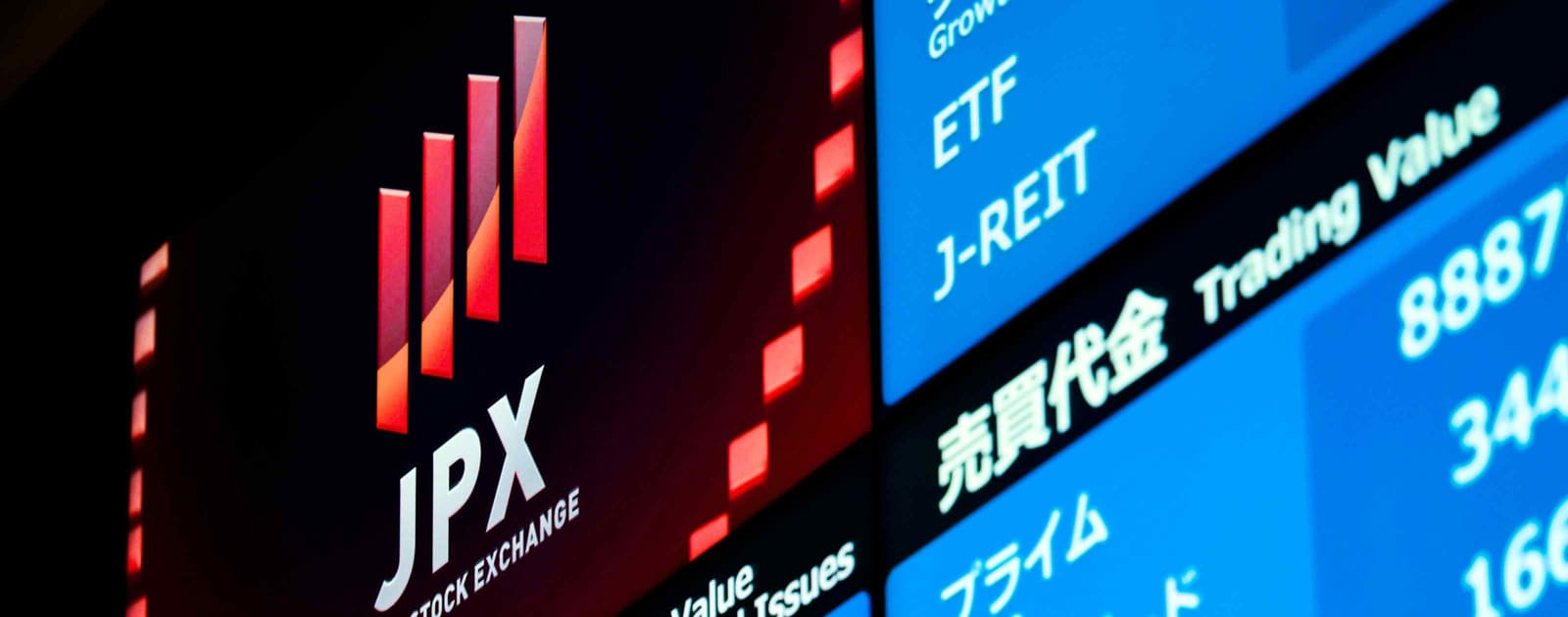
Overseas investors now control more than one-third of Japanese equities, marking the third consecutive year of record foreign ownership in fiscal 2025. The milestone reflects sustained international appetite for Tokyo-listed companies, particularly those positioned in artificial intelligence and firms targeted by shareholder activists pushing for governance reforms.
The proportion climbed steadily from fiscal 2023 through fiscal 2025, with AI-related stocks and companies facing activist pressure registering the sharpest increases in foreign holdings. The trend underscores a fundamental shift in how global capital allocates to Asia's second-largest equity market.
AI and Activism Drive the Surge
Two forces converged to push foreign ownership past the one-third mark. First, companies with exposure to artificial intelligence infrastructure, chip manufacturing, and related technologies attracted heavy buying from international funds chasing the sector's growth trajectory. Japanese semiconductor equipment makers, AI server component suppliers, and software firms saw particularly strong inflows.
Second, activist investors increased their stakes in Japanese firms they view as undervalued or poorly governed. These funds have pressed management teams to improve capital allocation, raise dividends, unwind cross-shareholdings, and streamline operations. Foreign ownership rises fastest at companies where activists secure board representation or extract commitments to shareholder-friendly policies.
Corporate Governance in Focus
Improved corporate governance standards have made Japanese equities more palatable to institutional investors who previously avoided the market. Tokyo Stock Exchange reforms requiring companies to disclose capital efficiency plans and address persistent trading below book value have given foreign funds concrete metrics to evaluate management quality.
Companies responding to these pressures with buyback programs, higher payout ratios, and independent director appointments have seen their foreign ownership ratios climb faster than peers. The governance angle matters especially to European and North American pension funds that screen for ESG factors and board independence.
Regional Context
The shift in Japan's shareholder base carries implications across Asia. As foreign capital concentrates in Tokyo, other regional markets compete harder for the same pool of international funds. India, South Korea, and Taiwan have each launched initiatives to attract long-term institutional investors, but Japan's combination of market depth, liquidity, and improving governance gives it structural advantages.
Currency dynamics also play a role. The yen's weakness over the past two years has made Japanese assets cheaper in dollar terms, amplifying returns for foreign buyers. However, currency hedging costs have risen, meaning unhedged investors bear exchange rate risk alongside equity exposure.
What Comes Next
The fiscal 2025 data point raises questions about how much higher foreign ownership can climb. Some analysts argue that one-third represents a natural ceiling given domestic institutional holdings, stable cross-shareholdings among keiretsu groups, and retail investor participation. Others see room for further increases if corporate earnings continue to grow and governance reforms deepen.
Activist campaigns show no signs of slowing. Several high-profile funds have announced new positions in Japanese firms for fiscal 2026, targeting conglomerates with sprawling business portfolios and companies sitting on large cash reserves. If these campaigns succeed in unlocking value, foreign ownership could push toward 40 percent over the next few years.
The AI theme remains volatile. While chip-related stocks drove gains in fiscal 2025, any slowdown in global semiconductor demand or disappointing AI monetization could trigger profit-taking by foreign investors. Tokyo's market has historically been sensitive to shifts in technology sector sentiment, and the current concentration in AI names creates downside risk if the narrative changes.
For now, the record foreign ownership reflects confidence in Japan's economic trajectory and corporate sector evolution. Whether that confidence persists depends on earnings delivery, governance follow-through, and the broader macroeconomic environment across Asia and beyond.
RELATED STORIES

Foreign Funds Pile Into JX Advanced Metals and Sanrio as Japan Stocks See Record Inflows
Cheng Wei-Lun · 2 min
Japan Considers Tax Incentives to Draw Individual Bond Buyers
Aiko Nakamura · 3 min
Japan's Core Inflation Climbs to 1.8 Percent in July
Aiko Nakamura · 3 min

Japan's 10-Year Bond Yield Hits 30-Year High Amid Rate Hike Bets
Aiko Nakamura · 2 min
Spot something wrong? Email editor@briefasia.com. We log every correction publicly.