Asia · Business
Five IT Parks in Manila Await Economic Zone Status After Seven-Year Ban Ends
Administrative Order 45 reverses 2019 moratorium, reopening Metro Manila to IT-BPM ecozone applications and giving global investors greater location flexibility.
KEY TAKEAWAYS
- ·Five IT parks in Metro Manila have pending applications for ecozone status after the Philippines lifted a seven-year ban through Administrative Order 45.
- ·The moratorium, imposed in 2019 to encourage provincial development, had blocked new IT ecozone designations in the capital despite its concentration of skilled labor.
- ·Industry groups say the reversal strengthens the Philippines' competitiveness for investment by restoring location flexibility for global IT and BPM companies.
The Moratorium Ends
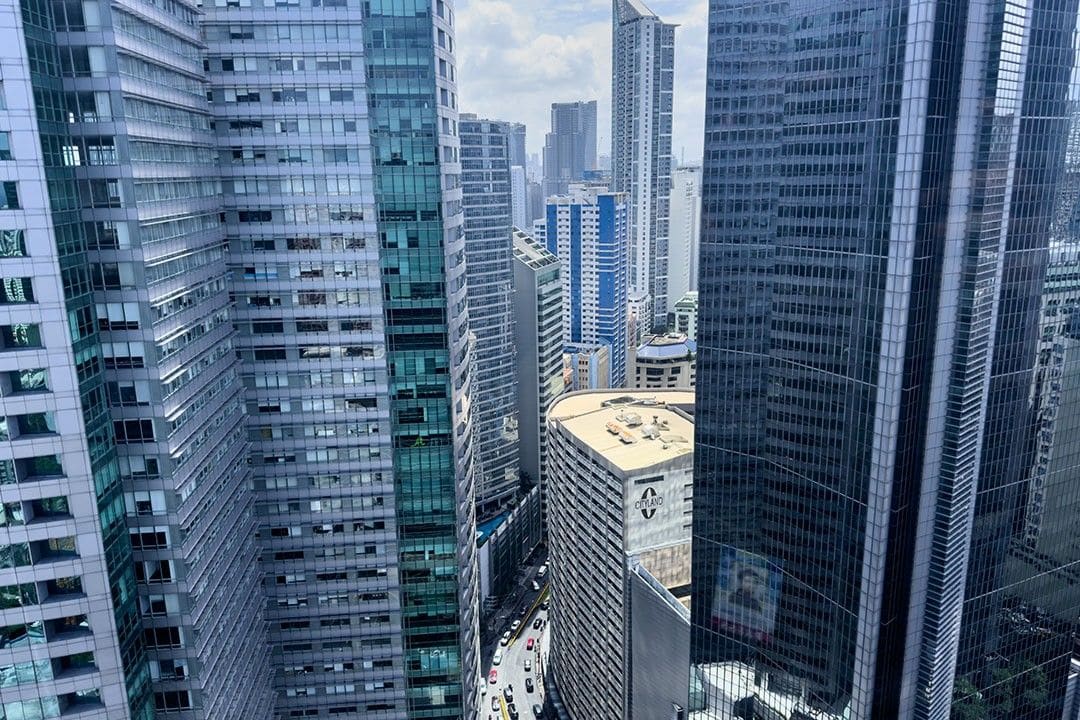
The Philippine government has cleared the path for five information technology parks in Metro Manila to secure special economic zone status, ending a seven-year freeze on such applications in the capital region. Trade Secretary Cristina Roque confirmed that Administrative Order 45, signed by President Ferdinand Marcos Jr., reverses a 2019 policy that had effectively blocked new IT ecozone designations in the nation's commercial hub.
The five developments awaiting approval from the Philippine Economic Zone Authority include MJ Landtrade Development Corp.'s Altaire, Triumvirate Development Corp.'s One Trium Tower, Ayala Land Inc.'s ARCA South 1, Aseana Holdings Inc.'s Parqal, and San Lorenzo Ruiz Investment Holdings and Services Inc.'s The Yuchengco Center. All had submitted applications before the moratorium lifted.
Roque, speaking at the ASEAN Tech Summit Manila, said the policy shift represents a significant victory for both the IT-business process management sector and commercial real estate. The change allows business process outsourcing companies to establish operations in Metro Manila once again, giving them access to the region's concentrated talent pool and established infrastructure.
The Original Ban
The Duterte administration imposed the moratorium through Administrative Order 18 in 2019, aiming to push investment and development toward provincial areas. For seven years, companies seeking ecozone benefits in Metro Manila faced a closed door, regardless of their projects' merits or the capital's advantages in skilled labor and connectivity.
The IT and Business Process Association of the Philippines welcomed the reversal. The industry group noted that Metro Manila continues to serve as a critical hub for digital talent, business infrastructure, and global delivery operations. Restricting access to the capital had created competitive disadvantages when courting international investors who often prioritize established metropolitan centers.
Investment Flexibility
Jack Madrid, president and CEO of the association, emphasized that speed and flexibility matter in the current investment climate. The new order gives investors confidence that the Philippines can respond to shifting business requirements while maintaining its commitment to countryside development.
"It strengthens our ability to attract new investments, support business expansion and create more high-quality jobs for Filipinos," Madrid said.
The policy change arrives as Southeast Asian nations compete intensely for foreign direct investment in technology and services. Vietnam, Thailand, and Indonesia have all expanded their incentive programs for IT and business process operations in recent years. The Philippines, long a leader in the business process outsourcing sector, has faced pressure to maintain its edge.
Roque said she anticipates additional IT parks will now submit applications for ecozone status, given the restored access to Metro Manila. Economic zones in the Philippines offer fiscal incentives including tax holidays, reduced corporate income tax rates, and exemptions from certain local taxes and duties.
Regional Implications
The reversal signals a recalibration of the Philippines' economic development strategy. While provincial growth remains a stated priority, the government appears to have recognized that restricting the capital carries its own costs. Metro Manila generates roughly 37 percent of the country's gross domestic product and houses the largest concentration of technology workers in the nation.
For global companies evaluating where to place their next service center or technology hub, the policy shift removes a significant barrier. Investors can now weigh Metro Manila's advantages in talent density, international connectivity, and existing commercial infrastructure against lower costs and government incentives in provincial locations.
The five pending applications will serve as an early test of how quickly the Philippine Economic Zone Authority can process ecozone designations under the new framework. Industry observers will watch whether the approval process moves swiftly or becomes mired in bureaucratic delays.
Trade officials have not specified a timeline for processing the applications, nor have they indicated whether additional criteria will be applied beyond the standard ecozone requirements. The outcome will shape investor perceptions of whether the policy shift represents a genuine opening or a cautious, limited experiment.
RELATED STORIES
Philippine Water Operator Earmarks $400 Million for Southeast Asia Expansion
Mariel D. Santos · 2 min

Philippines Energy Budget Climbs 26% as Electric Vehicle Funding Surges
Priyanka V. Rao · 3 min
Philippine Manufacturing Expands at Fastest Pace Since 2016
Priyanka V. Rao · 3 min

Five ASEAN Members Back Regional Oil Stockpile as Study Nears Completion
Tran Quoc Bao · 3 min
Spot something wrong? Email editor@briefasia.com. We log every correction publicly.