Real Estate · Hotels
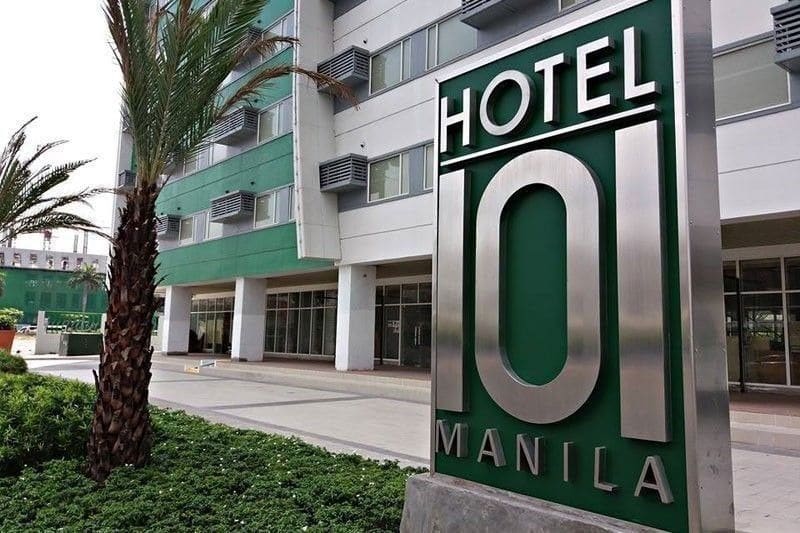
DoubleDragon Plans SGD 300 Million Hotel REIT in Singapore
The Philippine property firm targets a hospitality-focused listing on SGX, creating a capital recycling mechanism for its global Hotel101 portfolio.
KEY TAKEAWAYS
- ·DoubleDragon Corp. has approved the creation of DD Hotel101 Worldwide One, a Singapore-based REIT targeting SGD 300 million in initial assets and a listing on the Singapore Stock Exchange.
- ·The vehicle will hold standardized Hotel101 units from projects in multiple countries, creating a capital recycling mechanism as the company scales its asset-light licensing model.
- ·The REIT would become the fifth pure hospitality trust on SGX, joining established players in a market that offers deeper liquidity and regulatory support for income-focused investors.
Philippine Developer Targets Singapore Exchange
DoubleDragon Corp., the Manila-based property developer chaired by Edgar "Injap" Sia II and Tony Tan Caktiong, is preparing to enter Singapore's real estate investment trust market with a SGD 300 million hospitality vehicle. The company announced its board has approved the creation of DD Hotel101 Worldwide One, a Singapore-registered special purpose vehicle designed to list on the Singapore Stock Exchange.
The move positions DoubleDragon to become the fifth pure hospitality REIT trading on SGX, joining a field that includes CDL Hospitality Trust, Acrophyte Hospitality Trust, Far East Hospitality Trust, and CapitaLand Ascott Trust. For a Philippine developer with regional expansion ambitions, Singapore offers deeper capital markets and a well-established REIT framework that has attracted property owners from across Asia.
Asset Structure and Capital Strategy
DD Hotel101 Worldwide One will hold standardized hotel units carved from select Hotel101 projects operating in multiple countries. DoubleDragon positions this structure as a mechanism for permanent capital recycling, complementing the company's existing business of selling individual hotel units to buyers.
The initial asset size of SGD 300 million meets the threshold for an exemption under SGX rules that typically require three years of operational history before listing. By structuring the vehicle at this scale, DoubleDragon can accelerate the timeline for going public. The company indicated the REIT may also include sub-REIT entities depending on the most efficient legal and tax structures in different jurisdictions.
DoubleDragon describes the initiative as creating "a deep and entirely new revenue stream." The capital raised through the REIT listing would allow the parent company to redeploy funds into new development projects while maintaining exposure to the completed assets through its sponsor role.
Hotel101 Global Expansion Model
The REIT forms part of DoubleDragon's broader strategy for its Hotel101 brand, which operates on a standardized, modular hotel design that the company replicates across locations. DoubleDragon has been expanding the Hotel101 concept beyond the Philippines, with projects in Japan and other markets.
The company stated that the Singapore REIT will serve as "a major attraction for established developers in other countries" as Hotel101 Global transitions into what it calls Phase 3 of expansion. This phase envisions a shift toward an asset-light licensing platform, where DoubleDragon provides the Hotel101 system and brand to third-party developers rather than owning all projects directly.
By spinning hospitality assets into a publicly traded REIT, DoubleDragon can free up balance sheet capacity while retaining management fees and potential carried interest from the trust. The structure is common among Asian developers seeking to scale without proportional increases in debt or equity dilution.
Singapore as REIT Hub for Regional Players
Singapore has positioned itself as the preferred listing venue for REITs across Southeast Asia, offering tax advantages, liquidity, and a regulatory environment designed to support institutional and retail REIT investors. The hospitality REIT segment in Singapore has seen consolidation and portfolio shifts in recent years, as operators adjust to post-pandemic travel patterns and evolving investor expectations around yield and growth.
For DoubleDragon, a Singapore listing provides access to a larger pool of REIT-focused investors than would be available in Manila. The company's co-chairmen, Sia and Tan Caktiong, bring significant credibility in Philippine business circles. Sia founded the Mang Inasal fast-food chain before moving into real estate, while Tan Caktiong chairs Jollibee Foods Corp., one of Asia's largest restaurant operators.
The Hotel101 REIT will be tested on its ability to deliver stable distributions, a key metric for REIT investors who prioritize income over capital appreciation. Hospitality REITs typically face more volatility than office or industrial trusts, as hotel revenues fluctuate with occupancy and average daily rates. DoubleDragon's strategy of holding standardized units across multiple countries may offer some geographic diversification, though currency and regulatory risks remain.
No timeline for the listing has been disclosed. DoubleDragon will need to finalize asset selection, complete valuations, and work through SGX approval processes before the REIT can begin trading.
RELATED STORIES
Southeast Asian Firms Overlook Digital Pact Worth USD 2 Trillion
Lim Hui Ying · 4 min

Five ASEAN Members Back Regional Oil Stockpile as Study Nears Completion
Tran Quoc Bao · 3 min

When Paper Wealth Outpaces Real Revenue: The Villar Land Valuation Puzzle
Anand Sundaram · 7 min
Jollibee Shifts IPO Plans to Hong Kong After US Listing Target
Cheng Wei-Lun · 3 min
Spot something wrong? Email editor@briefasia.com. We log every correction publicly.