Lifestyle · Culture
From Dollar Bread to Mocktail Entrepreneur: A Singapore Trainer's Pivot
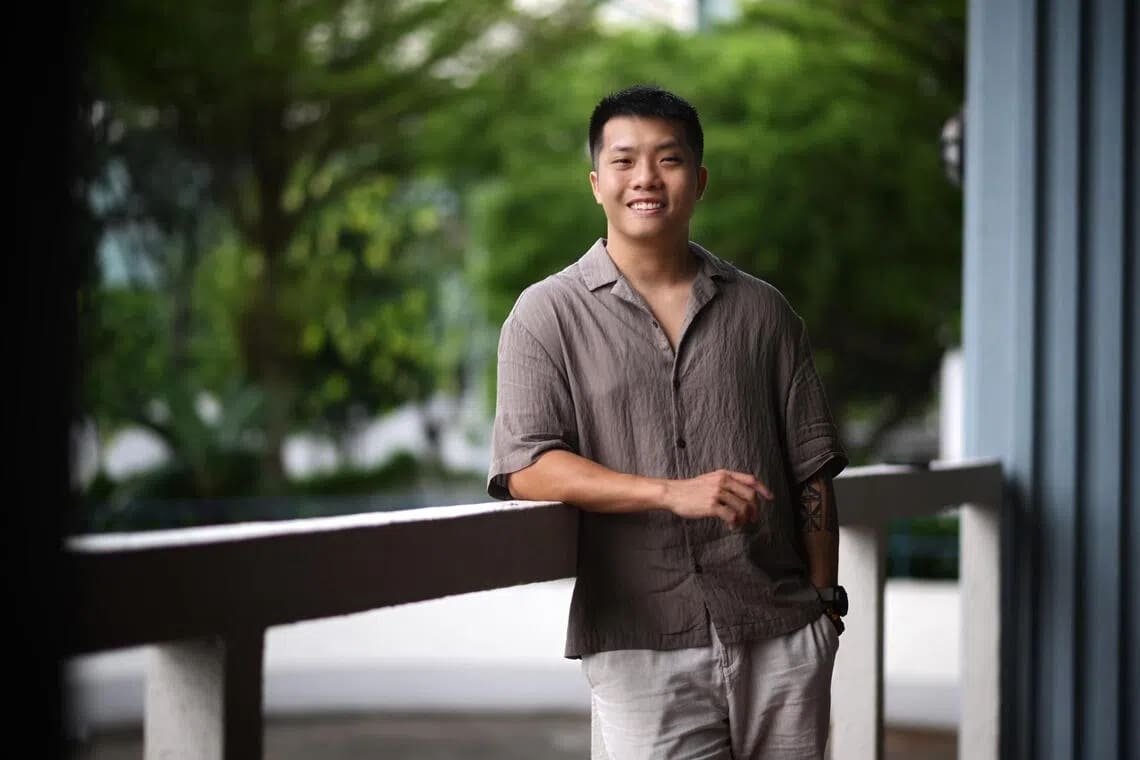
Chester Koh built a beverage business after pandemic hardship nearly derailed his fitness career
KEY TAKEAWAYS
- ·Chester Koh, a 35-year-old former personal trainer in Singapore, invested SGD 70,000 to launch a mocktail business after surviving on budget bread during pandemic lockdowns.
- ·Singapore's non-alcoholic beverage segment is growing as consumers adopt sober-curious lifestyles and seek healthier social drinking alternatives.
- ·Koh leveraged his fitness industry network to secure early distribution through corporate wellness programs and fitness studios before expanding retail partnerships.
Survival Mode During Lockdowns
Chester Koh spent stretches of the pandemic eating dollar bread from convenience stores. The 35-year-old personal trainer watched his client roster evaporate as Singapore entered circuit breaker measures in 2020, leaving him with barely enough income to cover rent and meals.
Koh had transitioned into fitness training after six years as a regular serviceman in the Singapore Armed Forces. The move promised flexibility and direct client relationships, but COVID-19 restrictions on gyms and face-to-face sessions stripped away those advantages overnight. With savings dwindling and few alternatives, he kept expenses to a minimum while searching for a path forward.
The Shift to Food and Beverage
Rather than wait for the fitness industry to recover, Koh redirected his energy toward a different sector. He poured SGD 70,000 into launching a mocktail business, betting that non-alcoholic beverages would find traction among health-conscious consumers and those looking for social drinking alternatives without alcohol.
The investment covered initial inventory, equipment, branding, and working capital. Koh drew on his fitness background to position the venture around wellness, emphasizing natural ingredients and lower sugar content compared to conventional soft drinks or cocktails.
Why Mocktails, Why Now
Singapore's non-alcoholic beverage segment has gained momentum as younger consumers experiment with sober-curious lifestyles and older demographics seek healthier social options. Bars and restaurants across the city-state have expanded their zero-proof menus, and standalone mocktail brands have begun appearing at weekend markets and pop-up events.
Koh saw an opening in the gap between mass-market sodas and premium craft cocktails. His product line targets office workers, fitness enthusiasts, and event organizers who want sophisticated flavor profiles without the alcohol content or the sugar overload of traditional mixers.
Lessons from the Pandemic Pivot
The journey from subsistence living to business ownership required more than capital. Koh spent months researching suppliers, testing recipes, and building relationships with distributors. He also leaned on his personal training experience to understand customer psychology and motivation, skills that translated into product positioning and marketing.
Early traction came from corporate wellness programs and fitness studios, where Koh's network provided initial distribution channels. He has since expanded into retail partnerships and direct-to-consumer sales, though the business remains in its growth phase.
Broader Trends in Asia's Beverage Market
Koh's move mirrors a wider shift across Asian cities, where entrepreneurs are entering the functional beverage and wellness drink categories. From kombucha startups in Bangkok to adaptogenic tea brands in Seoul, founders are capitalizing on demand for products that align with health and lifestyle trends.
Singapore, with its high disposable incomes and openness to new food and beverage concepts, has become a testing ground for these ventures. The city's regulatory environment and logistics infrastructure also make it easier to scale operations regionally once a concept proves viable locally.
The pandemic accelerated this trend by forcing many professionals to rethink career stability and explore entrepreneurship. Government support schemes, including grants and mentorship programs, have provided additional tailwinds for first-time founders willing to take the leap.
Koh's story illustrates both the volatility of service-based work in a crisis and the opportunities that emerge when individuals leverage their networks and adapt quickly. Whether the mocktail business will scale beyond its current stage remains to be seen, but the pivot itself reflects a broader recalibration happening across Asia's workforce.
RELATED STORIES
China's Beverage Giants Face Profitability Test After Rapid Expansion
Jun-ho Seo · 3 min

Indonesian Digital Banks Outpace Regional Peers on Deposits and Loan Growth
Priyanka V. Rao · 3 min
Grab Acquires 60 Per Cent of Atome Financial for US$1.49 Billion
Priyanka V. Rao · 3 min
DBS Doubles Down on Asia, Ruling Out Global Expansion
Anand Sundaram · 3 min
Spot something wrong? Email editor@briefasia.com. We log every correction publicly.